School Libraries
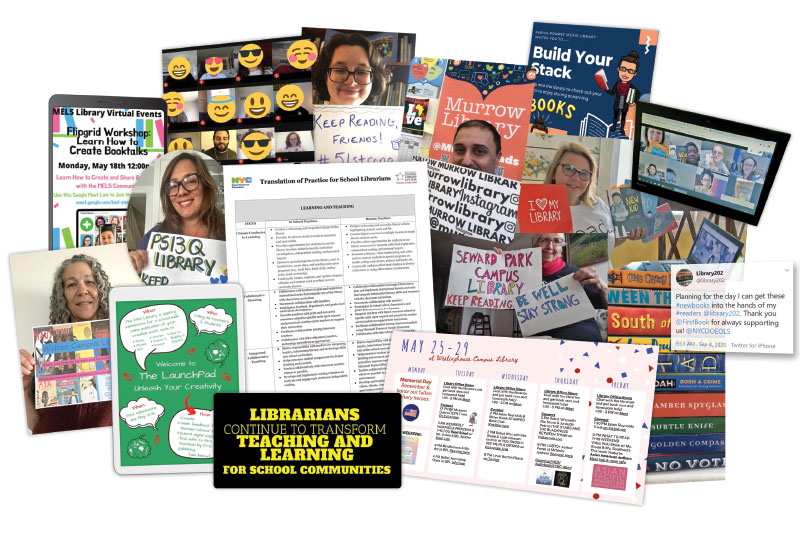
This is the time to re-make librarianship in the long term. Here's how some leaders are doing it.
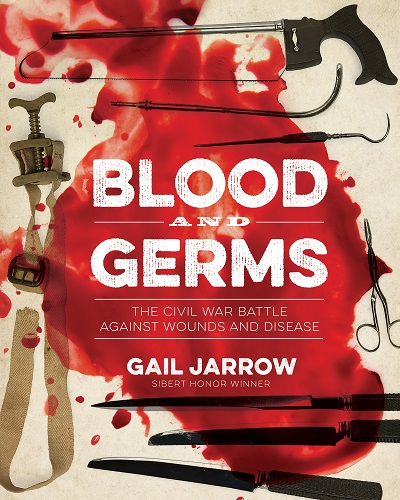
Gail Jarrow explores the science and oftentimes grisly history of U.S. Civil War medicine, using actual medical cases and first-person accounts by soldiers, doctors, and nurses. Jarrow discusses why she wrote this book, and also relates why she feels this history can help young readers better understand our current struggle with COVID-19.
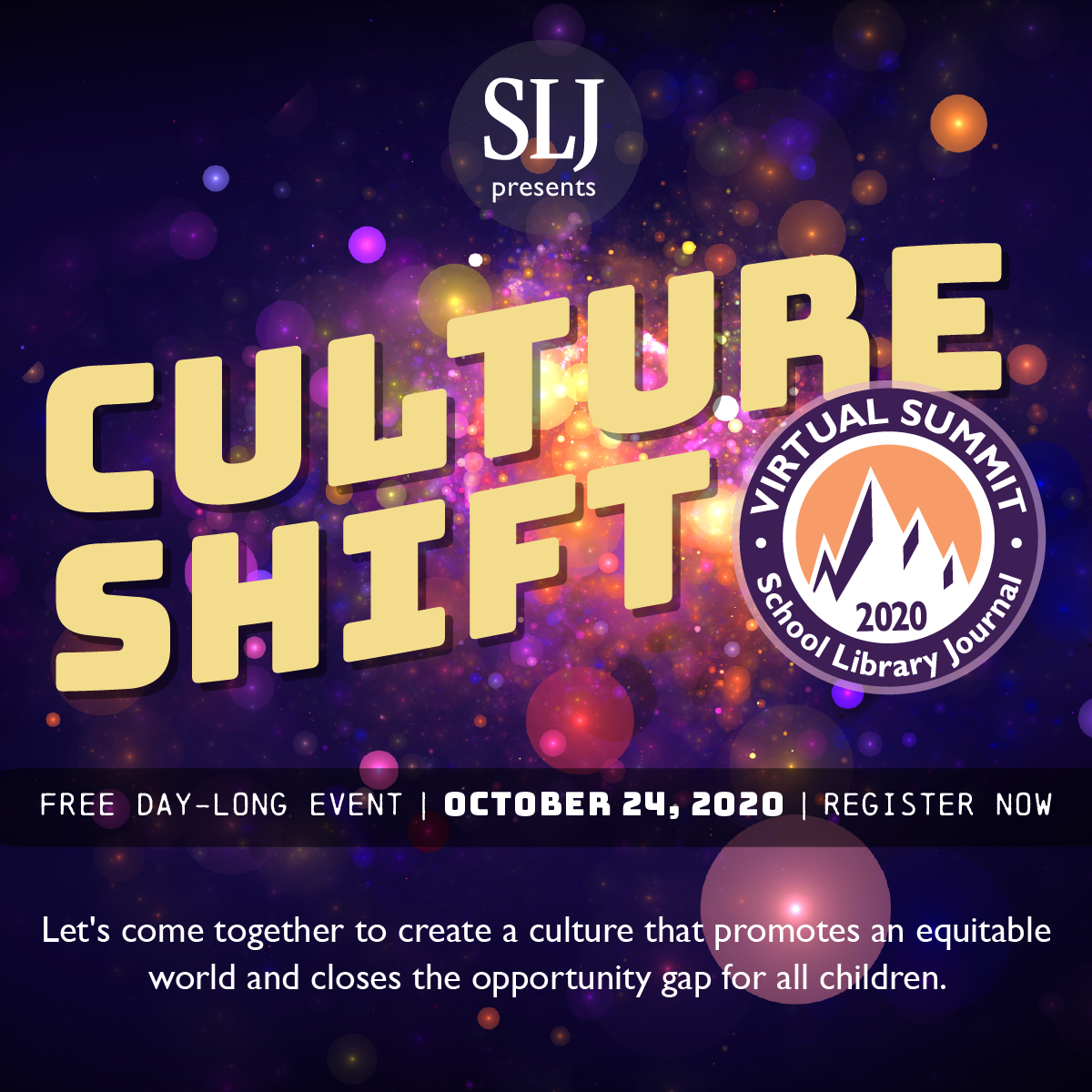
At the SLJ Summit, attendees can convene in smaller groups after select panels to further ideas, discuss practical applications, and enjoy the kind of conversations that have been typically lost in virtual events.
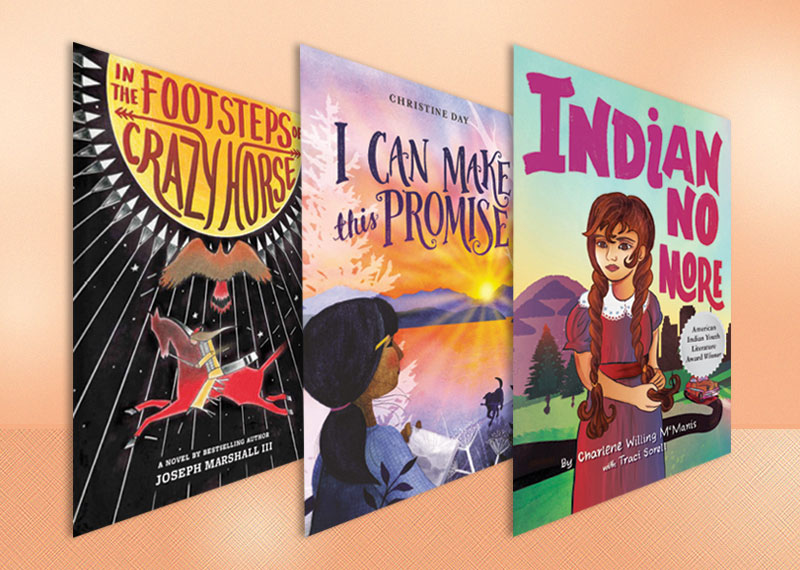
As more Native writers make inroads into childrens' publishing, educators and readers must set aside internalized misconceptions about Native life, people, and nations.
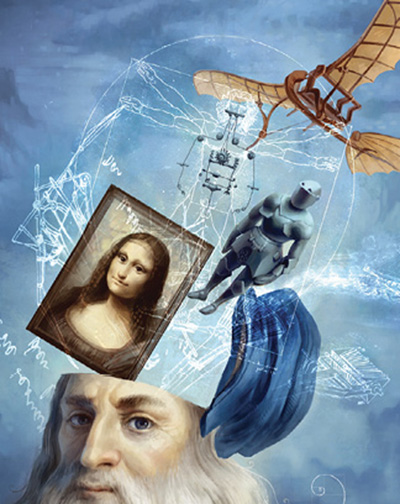
With the world in the grip of a deadly pandemic that has raised more questions than scientists can answer, it is more imperative than ever that young children pursue STEM/STEAM fields. Building children’s confidence to ask questions, make guesses, think creatively, and reach for knowledge in subjects typically regarded as “too hard” is critical.

Applications are being accepted for a new NatGeo program to fund innovative educators finding solutions during remote and hybrid learning.
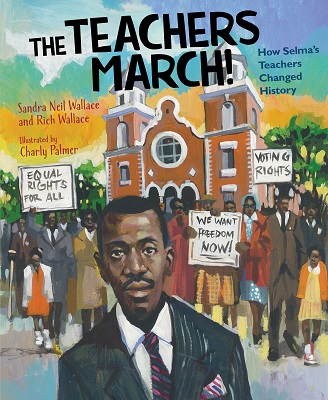
Called "an alarmingly relevant book that mirrors current events” by Kirkus Reviews in a starred review, The Teachers March! How Selma’s Teachers Changed History demonstrates the power of protest and standing up for a just cause, and is an exciting tribute to the educators who participated in the 1965 Selma Teachers' March.
The News Literacy Project is offering a four-part professional development series; Choose Your Own Adventure in ebooks; a new Capstone platform; the final days to apply for the Bechtel Fellowship; and more in this edition of News Bites.
ALREADY A SUBSCRIBER? LOG IN
We are currently offering this content for free. Sign up now to activate your personal profile, where you can save articles for future viewing
ALREADY A SUBSCRIBER? LOG IN
Thank you for visiting.
We’ve noticed you are using a private browser. To continue, please log in or create an account.