Reviews+
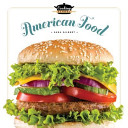
Strong additions to cooking collections.
Each book in this series briefly introduces the basics of the
cuisine and culture and highlights three regional specialties.
While the glossy, full-page photographs are enticing, the
information is general to the point of misleading. Three "recipes"
purport to represent typical foods: e.g, pizza (using English
muffins and canned sauce) and couscous (boxed instant). There are
three other spring 2015 books in this series. Reading list,
websites. Glos., ind. Review covers the following Cooking School
titles: Italian Food, Mexican Food, and Middle
Eastern Food.
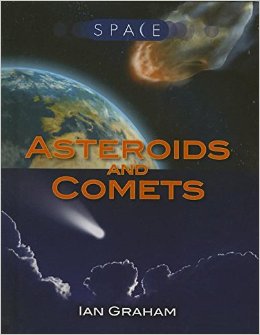
Weigh the pros and cons of this mixed series before purchasing.
Factual statements about the solar system and outlying bodies in
the universe are accompanied by diagrams and high-quality images of
planets, stars, moons, and spacecraft. The series' coverage is
uneven. For example, each planet receives just two pages in a book,
while the moon and sun are treated more in-depth in full volumes.
Websites. Glos., ind. Review covers the following Space titles:
Asteroids and Comets, Galaxies and Stars, Our
Moon, Our Sun, Planets Far From Earth, and
Planets Near Earth.

Solid additions.
Double-page spreads with enticing, large color photos explain
healthy food choices and amounts. A great deal of boilerplate
information is repeated in each volume. Dairy and
Fruits reference the five food groups in text confusingly
placed next to photos of foods in four distinct groups. Each book
concludes with a simple, no-cooking-required "recipe." Reading
list, websites. Glos., ind. Review covers the following Healthy
Plates titles: Dairy, Eating Healthy, Fruits,
Grains, Proteins, and Vegetables.


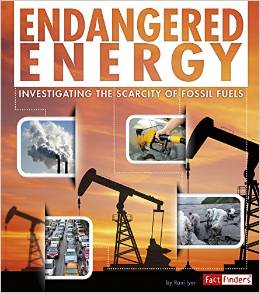
Despite the flaws, these issues are important, and even if these introductions are stronger on general concepts than specific facts, they should stimulate enough concern to fuel further inquiry.
These volumes point to the role humans have played in endangering
Earth's resources. The information is presented in four chapters;
each book's final chapter focuses on what government and
individuals can do now before it's too late. The choppy texts are
accessible and supported by photos, diagrams, and related fact
boxes. Common Corerelated questions are appended. Reading list.
Glos., ind. Review covers these Fact Finders: Endangered Earth
titles: Endangered Energy and Endangered Rivers.
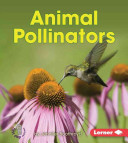
Suitable additions for those looking for material on plants or flowers.
For seeds to grow, pollen needs to reach a flower's carpel. In
simple language (with potentially difficult words in bold print),
this series teaches early readers about the various ways this
happens; information is often repeated from book to book. Close-up
photos (inconsistently labeled and captioned) of flower structures
and yellow pollen dust on fuzzy bees and bats help readers
visualize the process. Glos., ind. Review covers the following
First Step Nonfiction: Pollination titles: Animal
Pollinators, Cross-Pollination, Insect
Pollinators, Self-Pollination, and Parts of a
Flower.
2,322 articles
ALREADY A SUBSCRIBER? LOG IN
We are currently offering this content for free. Sign up now to activate your personal profile, where you can save articles for future viewing
ALREADY A SUBSCRIBER? LOG IN
Thank you for visiting.
We’ve noticed you are using a private browser. To continue, please log in or create an account.