



2018 School Spending Survey Report
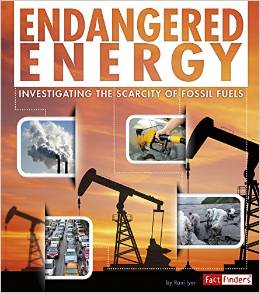
Endangered Energy: Investigating the Scarcity of Fossil Fuels
9781491420379.
ea vol: 32p. (Endangered Earth). further reading. glossary. index. maps. websites. Capstone. 2015. lib. ed. $26.65.
COPY ISBN
VERDICT Despite the flaws, these issues are important, and even if these introductions are stronger on general concepts than specific facts, they should stimulate enough concern to fuel further inquiry.
These volumes point to the role humans have played in endangering
Earth's resources. The information is presented in four chapters;
each book's final chapter focuses on what government and
individuals can do now before it's too late. The choppy texts are
accessible and supported by photos, diagrams, and related fact
boxes. Common Corerelated questions are appended. Reading list.
Glos., ind. Review covers these Fact Finders: Endangered Earth
titles: Endangered Energy and Endangered Rivers.
ALREADY A SUBSCRIBER? LOG IN
We are currently offering this content for free. Sign up now to activate your personal profile, where you can save articles for future viewing
ALREADY A SUBSCRIBER? LOG IN
Thank you for visiting.
We’ve noticed you are using a private browser. To continue, please log in or create an account.
Be the first reader to comment.
Comment Policy:
Comment should not be empty !!!