Ideas

With the arrival of Banned Books Week, it's important to look for ways to dive deeper than “banning is bad” to prepare our kids to address intellectual freedom issues in an informed and principled way.
With a growing emphasis on nonfiction in the curriculum, it’s time to examine what’s sitting on school library shelves.
A compression of the words physical and digital indicates when those two worlds combine, intersect, or are integrated, and offers new direction in understanding the true complexity of the work today and ahead.

Censorship expert Pat Scales tackles the trouble with trigger warnings, the finesse of Banned Books Week planning, and the problem with narrowing options for reading.
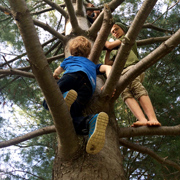
Study after study shows that kids thrive when they get the play and exercise they need. Like grown-ups, they are happier, sleep better, and even learn better. So, why do we increasingly encourage a sedentary lifestyle?

Libraries have long been central to helping create a culture that, at a minimum, tolerates difference and, at best, embraces and celebrates it. Yet, we must do more to desegregate our schools, our neighborhoods, and our workplaces—including our libraries.
Don’t be afraid to enter the discussion about intellectual freedom, and be firm when stating your opinion.

Librarians can’t assume that district leaders are believers, writes Mark Ray. Some get it; others don’t. Those who don’t may be listening for different information. If librarians align their words and work with top educational issues, miracles might just happen.

A recent impact study from Washington State reinforces that good school libraries are a great investment, offers fresh insight, and provides a new way to dig into the reality at work in our school libraries. In turn, it creates a vision for what quality libraries should look like in every school.
281 articles
ALREADY A SUBSCRIBER? LOG IN
We are currently offering this content for free. Sign up now to activate your personal profile, where you can save articles for future viewing
ALREADY A SUBSCRIBER? LOG IN
Thank you for visiting.
We’ve noticed you are using a private browser. To continue, please log in or create an account.