Ideas

Why should we study primary source documents? These are artifacts created by the people who lived through the events and time periods under study. Providing students the opportunity to study primary sources can give rise to student inquiry and encourage them to speculate about each source, its creator, and the context in which it was produced. The Library of Congress has millions of primary source documents and tools for teachers and students to dig into, 24/7.
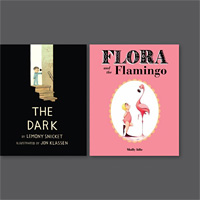
SLJ's book review editors selected the best picture books of 2013. This year's list includes memorable characters, including a dancing flamingo, some unhappy crayons, a repressed tiger, and punctuation personified. These titles will delight, inspire, and entertain.
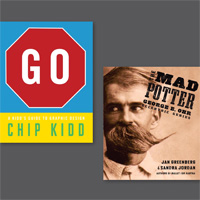
SLJ's book review editors selected the best nonfiction titles of 2013. Here you'll find rich primary source material, engaging narrative style, and sophisticated design. Historical giants as well as little known figures are profiled in this list of distinguished informational books.
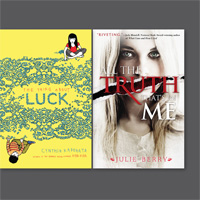
SLJ's book review editors have chosen the best fiction titles of 2013. From a plucky pig sailing to the south pole to a endearing story of first love, the middle grade and young adult titles on this list feature three-dimensional characters, fully realized worlds, and stories that stay with the reader long after the last page.

Every fall the “Adult Books 4 Teens” reviewers come together to nominate, discuss, and select the best reading of the year for a list that guarantees a combination of excellence and appeal to young adults. All of these books were originally reviewed on SLJ’s “Adult Books 4 Teens” blog (blog.schoollibraryjournal.com/adult4teen).

YALSA-Lockdown listserv founder Amy Cheney highlights self-published and mainstream book and movie titles. Many of her finds resonate with her incarcerated kids; sometimes it takes a little digging below the surface to uncover these.

SLJ has compiled an expansive page of diversity resources—including materials on people of color, non-American cultures, LGBTQ issues, and disability—to help librarians better serve children and teens. From author interviews to collection development tools and from blogs to news coverage, these articles and reviews aim to give insight into issues that are becoming more relevant for kids each day.
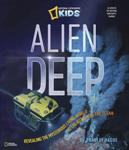
Animals with transparent guts! Fish that make their own light! An underwater bird? Booktalk audiences hungry for adventure and monsters can find both in remarkable books on marine mysteries. While the following titles are aimed at fourth grade and above, even younger readers will find the pictures irresistible.
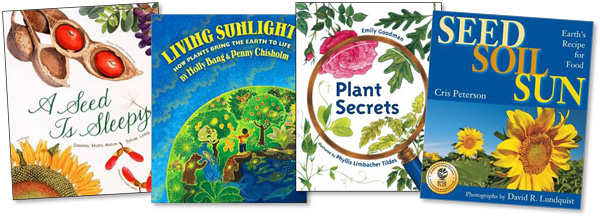
The new Next Generation Science Standards, released last April, are performance standards, created to demonstrate not merely what students will know, but what students will know how to do. They have been written with direct connections to the Common Core. Here is a sample lesson working within both sets of standards.
300 articles
ALREADY A SUBSCRIBER? LOG IN
We are currently offering this content for free. Sign up now to activate your personal profile, where you can save articles for future viewing
ALREADY A SUBSCRIBER? LOG IN
Thank you for visiting.
We’ve noticed you are using a private browser. To continue, please log in or create an account.