Ideas

When the new social studies and the Common Core standards are used together to plan curriculum, the result is a truly powerful, integrated approach to learning. Here's a lesson that shows the way.

For those who can’t wait two more weeks to see Catching Fire, relief is at hand. The taut How I Live Now offers a slimmed down dystopian world at its most bucolic—a survival tale meets hot-and-heavy first love with a punkish swagger. The screenwriters have tweaked the snarky-but-soft-hearted narration of Meg Rosoff’s absorbing novel (Random, 2004), but given the heroine a still-defiant voice.

SLJ has compiled an expansive page of diversity resources—including materials on people of color, non-American cultures, LGBTQ issues, and disability—to help librarians better serve children and teens. From author interviews to collection development tools and from blogs to news coverage, these articles and reviews aim to give insight into issues that are becoming more relevant for kids each day.

Encouraging students to celebrate and use the rich portals of the ever-growing Creative Commons movement to find copyright-friendly media is an instructional no-brainer. Teaching students how and when to flex their fair use muscles–how to decide when their use of copyrighted media is truly transformative–is a greater challenge. But it is a challenge we must [...]
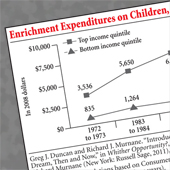
Recently, I’ve reconsidered that element of human experience called interest, thanks to Annie Murphy Paul and Mimi Ito. Murphy Paul is a journalist covering cognitive science and Ito, a cultural anthropologist, is a proponent of the Connected Learning concept, but their ideas both relate to the power of interest, and the impact on kids when it is fostered.

"Librarians are ideally positioned to become cultivators of students' interests," according to Annie Murphy Paul. A journalist and author, Murphy Paul sheds light on the latest cognitive research on this critical component to reading and learning in SLJ's November 2013 cover story.

There are moments in the sleek-but-not-too-flashy adaptation of Orson Scott Card’s Ender’s Game when the film takes flight. It feels like child’s play, and the audience forgets briefly that the on-screen kids, the smartest in the world, are being groomed to kill at a Battle School in space. The screenplay hews closer to the book than a potential franchise template.
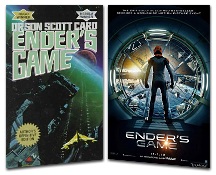
Teens interested in Ender's Game—both the acclaimed science fiction novel and its big budget film adaptation opening this weekend—may be curious about the recent controversy surrounding author Orson Scott Card’s outspoken views. Fortunately, the library offers an ideal safe intellectual harbor for teaching the media literacy skills that allow them to explore critical thinking questions about the role of social politics and media, and to examine ways in which we might begin to separate art from the artist.

John Locke's Department of Urban Betterment (DUB) is behind the 2012 installation of mini-libraries in New York City telephone booths. Now DUB is at it again with the concept and design of the Inflato Dumpster, giving the phrase "dumpster diving" a whole new meaning.
2,173 articles
ALREADY A SUBSCRIBER? LOG IN
We are currently offering this content for free. Sign up now to activate your personal profile, where you can save articles for future viewing
ALREADY A SUBSCRIBER? LOG IN
Thank you for visiting.
We’ve noticed you are using a private browser. To continue, please log in or create an account.