Ideas
Administrators need to make swift decisions based on immediate community needs, not what will look good to funders, mayors, and boards.

"Now is an especially critical time to inform readers," writes Kathy Ishizuka, SLJ editor in chief. "That means publishing stories centered on the people who power libraries and schools. We are here for it, and we hope you are, too."

Identifying community needs is crucial in a crisis. Participants proposed some recommendations in this next stage of the COVID-19 Reimagining Youth Librarianship project.
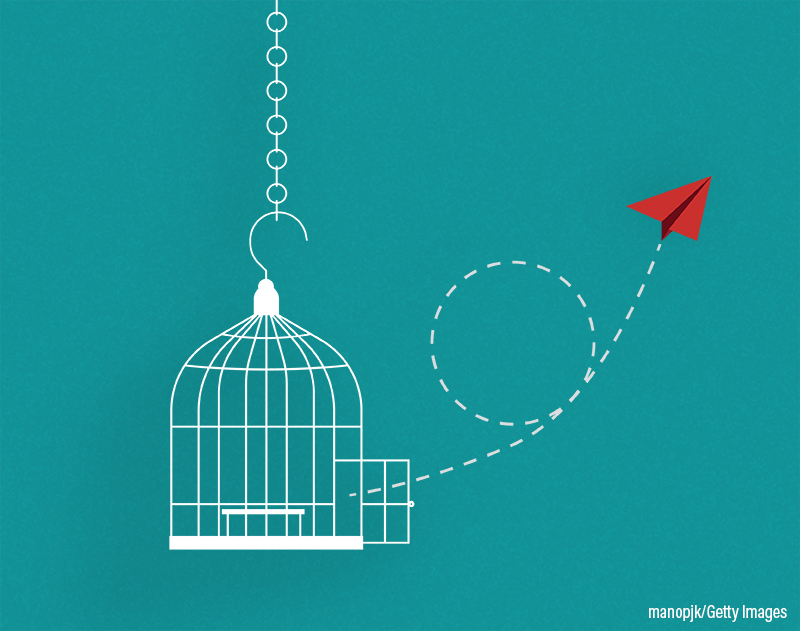
Make equity about people, not stuff. Rethink library policy. More than 120 library staff have signed on to advance next steps in the COVID-19 Reimagining Youth Librarianship project, a crowdsourcing effort to create a framework for youth services during times of crisis.
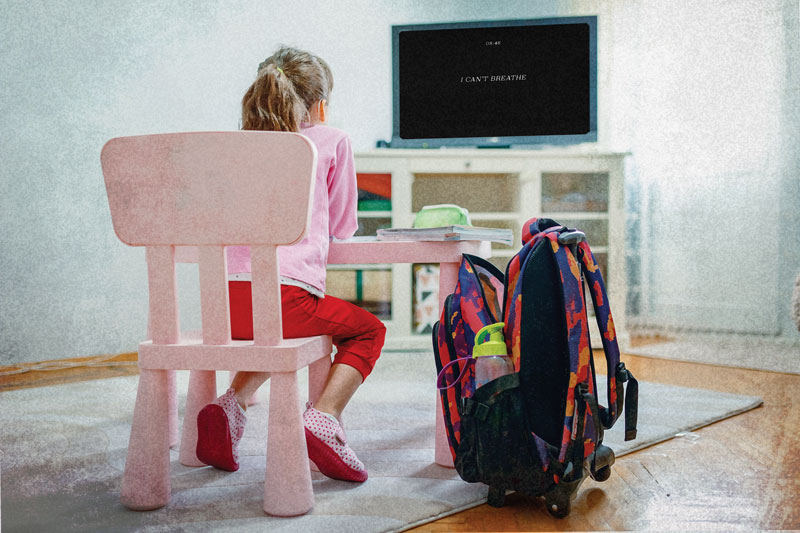
Research shows that preschoolers naturally categorize people by race, can be conscious of social stereotypes as early as age six, and naturally attribute positive traits to their own ethnic or racial groups.
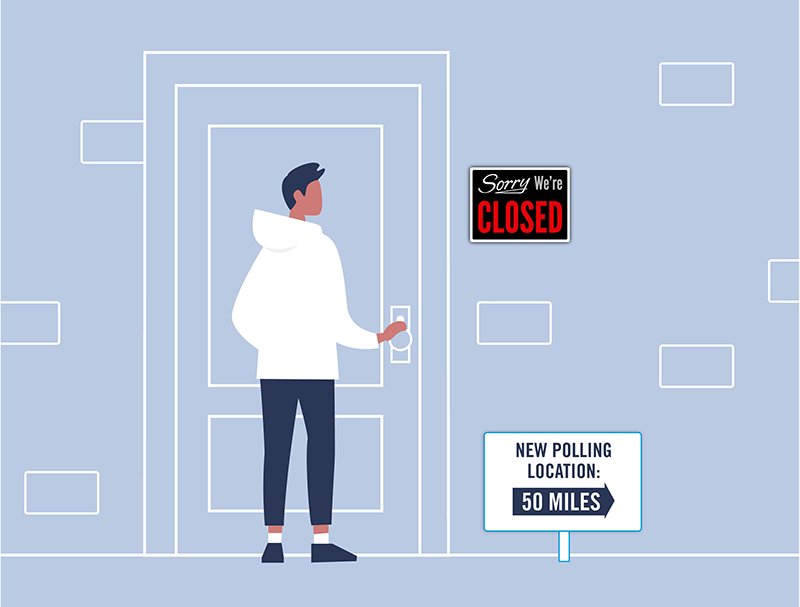
Learning to read is a constitutional right, but functional literacy has never been equitably attained by Americans, says Miller. Here she offers tools of empowerment that enhance information and civic literacy.

From curriculum to policing, two former public high school students discuss changes toward education equity.
There is a vast amount of genealogical information available that families can access online, and much of it is free. Here are some of the best resources to help you get started.
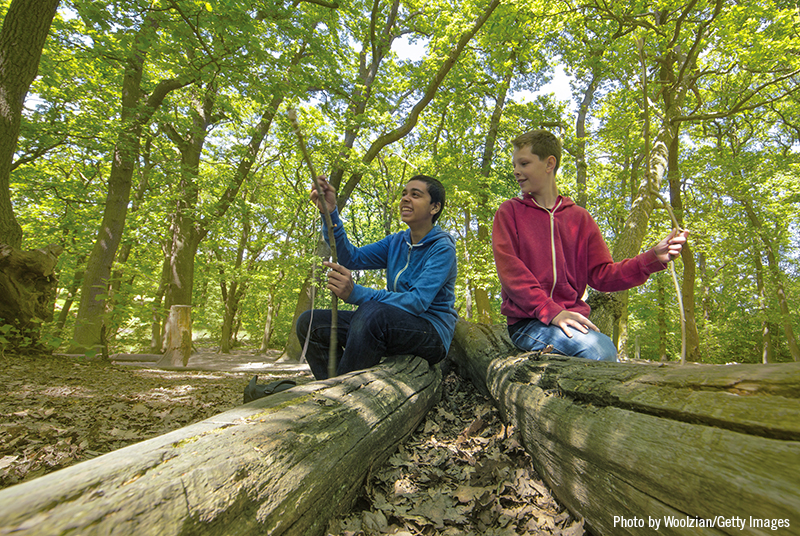
Dear students: Listen deeply. Tell your truth. Ask questions. Hear what else this middle school media specialist has to say in her open letter.
ALREADY A SUBSCRIBER? LOG IN
We are currently offering this content for free. Sign up now to activate your personal profile, where you can save articles for future viewing
ALREADY A SUBSCRIBER? LOG IN
Thank you for visiting.
We’ve noticed you are using a private browser. To continue, please log in or create an account.