Ideas
My high school readers (and most other serious readers I know) are obsessed with Good Reads. And if they’re not, they are connected on either LibraryThing or Shelfari. Socially connected readers seek and trust the recommendations and lists of their networks; reviews purchasing and borrowing opportunities, as well as the attractive shelf metaphors, fun quotes, [...]
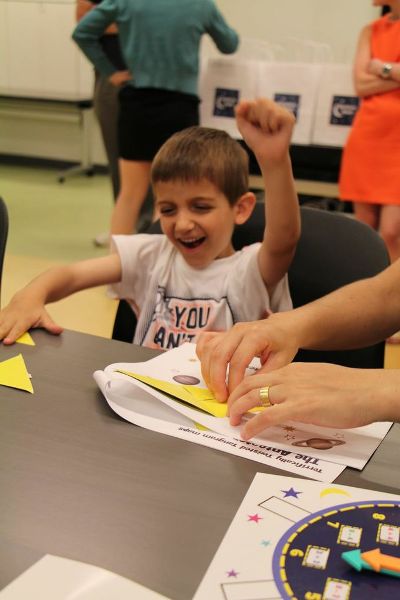
On June 24, the National Museum of Mathematics in New York City kicked off its first annual National Pajama Party Week with the book launch of Bedtime Math: A Fun Excuse to Stay Up Late (Fiewel and Friends) by Laura Overdeck, author and founder of the Bedtime Math nonprofit, an organization whose mission is to make nightly the math problem as common as the bedtime story. The event included math focused games for families and a book giveaway and signing by the author.

These posters' apparently value-free aspect is perhaps what's most worth exploring with young people...

Here is some feedback in response to Rebecca T. Miller’s editorial, “It’s Time to Step Up” (June 2013, p. 11) about the need for the American Library Association (ALA) to become actively engaged in advocating for school librarians and provide administrators with solid data on their value to our children’s success.
Check out School Library Journal’s reader responses to Keith Curry Lance and Debra E. Kachel's “Librarian Required” article, tweets from SLJ's first Public Library Think Tank, and highlights from the #lovemylibraryjob social media campaign.
An exploration of New Orleans’s hurricane-ravaged Ninth Ward and a student-driven study on how to conserve energy in a school are the winners of this year’s SIGMS Technology Innovation Awards bestowed at ISTE, the annual ed-tech conference held in San Antonio, TX, June 23–26.

The Common Core State Standards place strong emphasis on vocabulary, and librarians are in a prime position to actively support this shift. This month's "On Common Core" column shares how, including selecting read-alouds with robust language, helping students find engaging (and challenging) nonfiction books that match their interests, carefully choosing titles for reading lists, and initiating independent reading incentives.
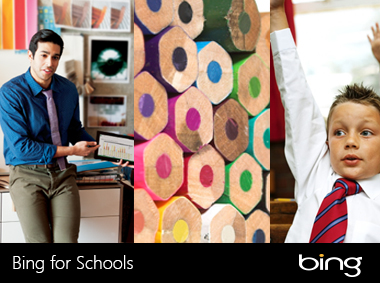
Starting later this year, Bing For Schools will offer schools in the U.S. the option to tailor the Bing experience for K-12 students by removing all advertisements from search results, enhancing privacy protections and the filtering of adult content, and adding specialized learning features to enhance digital literacy.

Media literacy discussion points covering novel-to-film adaptations, marketing, genre, screen violence, and more.
1,486 articles
ALREADY A SUBSCRIBER? LOG IN
We are currently offering this content for free. Sign up now to activate your personal profile, where you can save articles for future viewing
ALREADY A SUBSCRIBER? LOG IN
Thank you for visiting.
We’ve noticed you are using a private browser. To continue, please log in or create an account.