



2018 School Spending Survey Report
What Was the First YA Novel?
Things are ah-brewing and ah-hopping on the child_lit listserv this week! And though my blog is primarily a conduit through which one learns about children’s book news, I couldn’t help but get utterly fascinated by a discussion of origin. Particularly, the origin of the YA novel. Fun with semantics! So what do we mean when […]
 Things are ah-brewing and ah-hopping on the child_lit listserv this week! And though my blog is primarily a conduit through which one learns about children’s book news, I couldn’t help but get utterly fascinated by a discussion of origin. Particularly, the origin of the YA novel.
Fun with semantics! So what do we mean when we say that something is a YA novel? Couldn’t you say that any novel read voraciously by teens (during the dawn of a book’s publication) is YA? So wouldn’t that mean that classics like Robinson Crusoe or Pamela or what have you would count? Maybe, but for the purposes of today’s post let’s say the key is authorial/publisher intent. If an author writes a book specifically with teen readers in mind, it is YA.
All this is a bit tricky when you consider that even defining teens as a separate group is fairly new to history. Still, if you take all these considerations into account, it was Jenny Schwartzberg of the Newberry Library who passed along this fascinating information:
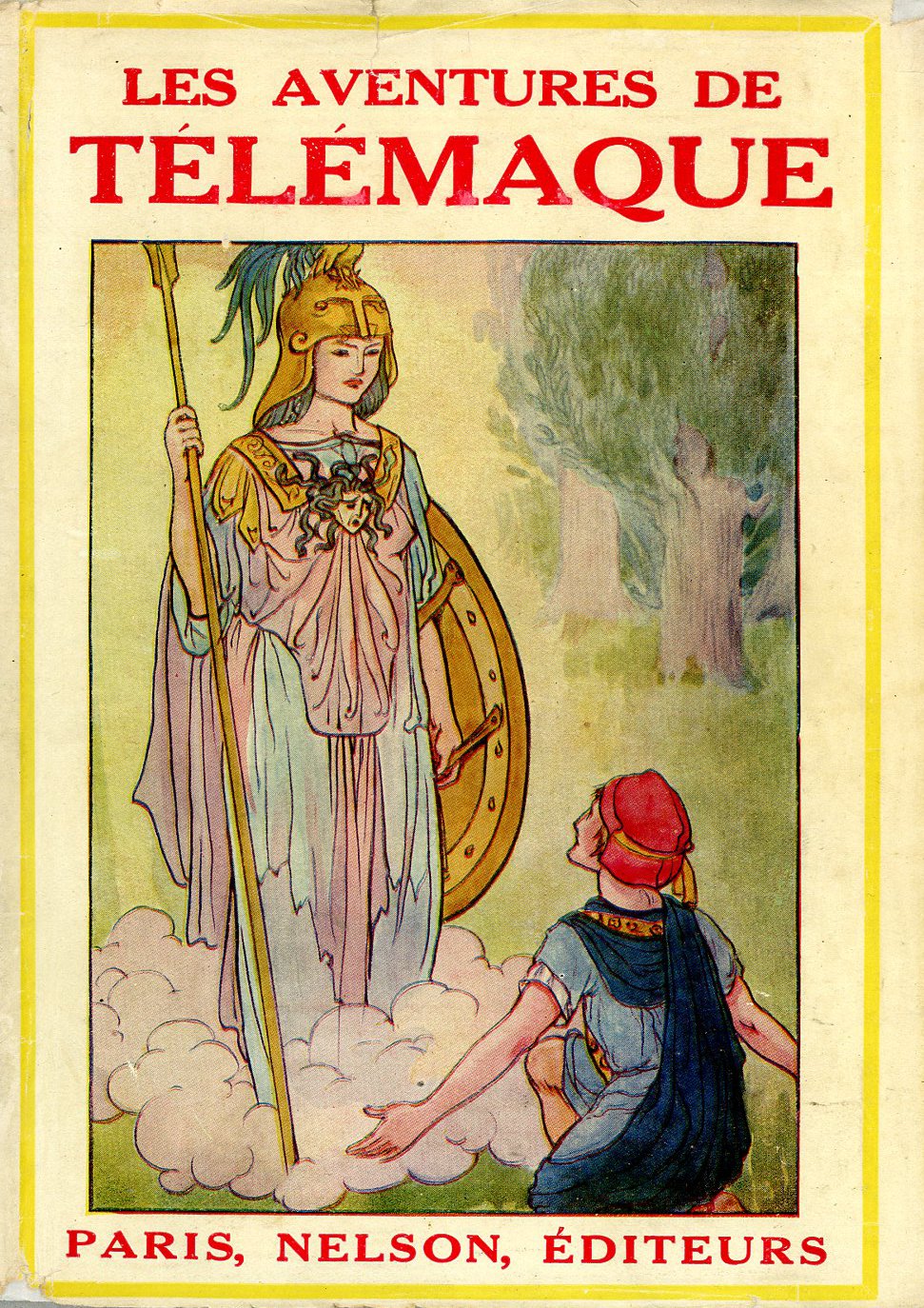
“. . . the first novel for adolescents or YA novel in our terms is Francois de Fenelon’s Les Aventures de Telemaque (1699) . . .”
Never heard of it? Nor had I. Fortunately in a separate posting Jenny explained further:
“Les Aventures de Telemaque was specifically written for an adolescent prince, the Dauphin of France. Fenelon was his tutor. I believe he was 14 at that time but I would have to check. After it was published it was promoted Europe-wide as appropriate reading for adolescents. It continued to be published in many languages and read by young students into the 19th century before falling out of favor. It was also popular with adults and is still regarded as a French classic.
YA is a slippery term even today, and people certainly didn’t think in terms of separate literature for children and adults as we do today, but when books are specifically promoted in the contemporary reviews and critical literature as appropriate for certain ages, I’d certainly accept them as such.”
The more you know. Thanks, Jenny!

Added To Cart
RELATED


RECOMMENDED
CAREERS
The job outlook in 2030: Librarians will be in demand
CAREERS
The job outlook in 2030: Librarians will be in demand
ALREADY A SUBSCRIBER? LOG IN
We are currently offering this content for free. Sign up now to activate your personal profile, where you can save articles for future viewing
ALREADY A SUBSCRIBER? LOG IN
Thank you for visiting.
We’ve noticed you are using a private browser. To continue, please log in or create an account.

Add Comment :-
Be the first reader to comment.
Comment Policy:
Comment should not be empty !!!