


2018 School Spending Survey Report
Fight the Summer Slide—with a Library Card | Annie Murphy Paul
How to counter the “summer slide”? Simple, kids during the out-of-school months should read more books, according to journalist and author Annie Murphy Paul. And libraries play a critical role
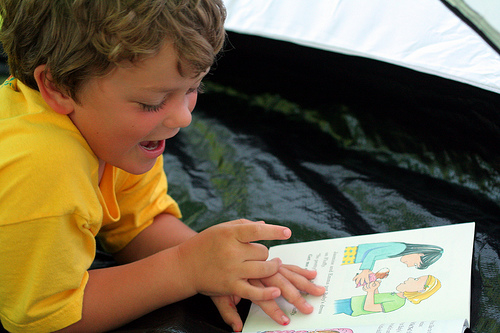
A Simple Way To Push Back Against the “Summer Slide” By Annie Murphy Paul They appear every summer as reliably as the stories about shark attacks: a rash of articles raising the alarm about the “summer slide,” or the loss of learning that grade-school students experience over the months when classes are out. Concern about this leads many a parent to stock up on workbooks and flashcards, or to enroll their children in educational camps and enrichment programs. But is the summer slide really the seasonal disaster that we’ve been warned about? A close look at the research reveals a more complicated picture. For kids from middle and upper-middle income households, for example, the summer slide doesn’t exist at all—at least in terms of reading skills. Affluent children actually make slight gains in reading over the summer months, according to an analysis of 13 research studies led by Harris Cooper, professor of education at Duke University. Meanwhile, lower-income kids lose more than two months of reading achievement over the same period. (The math skills of both affluent and less-affluent kids tend to decline over the summer break.) Even among underprivileged students, however, the summer slide is not universal. A study published last year in the Journal of Education for Students Placed at Risk reported that “not all low-SES [socio-economic status] students experience summer learning loss.” The authors, led by Johns Hopkins University sociologist Stephanie Slates, identified a sample of poor children from Baltimore who gained as much as their higher-SES peers in reading or math during at least three of the four summers of elementary school. What makes these “outliers” different? Their parents, the investigators found, are significantly more likely than other low-income parents to take their children to the library during the summer and to check out books while there. The parents of these “exceptional summer learners” also read to their children for longer periods of time, and are more likely to check their children’s homework and have higher expectations for their children’s conduct grade during the school year—“types of parental involvement that could well carry over into the summer months,” the researchers note. As simple as it sounds, reading books can reverse the summer slide in literacy skills for even the poorest children. Richard Allington, a professor at the University of Tennessee-Knoxville, and his colleagues found that giving kids twelve books to read over the summer was as effective as summer school in raising the students’ reading scores. The increase in test scores was especially pronounced for those who were most economically disadvantaged. The children in Allington’s study were allowed to pick their own books, and while parents may cringe at their selections (most popular: a biography of Britney Spears), the researchers believe that giving students a choice of reading material is a critical part of their intervention: not only are the kids more motivated to read the books, but the words and facts they learn build on knowledge they already possess. Another study, this one led by James Kim of the Harvard Graduate School of Education, found that regardless of family income, the effect of reading four to five books over the summer was large enough to prevent a decline in reading achievement scores from the spring to the fall. Kim’s other finding: children who said they had easy access to books over the summer ended up reading more. So seasonal alarm bells aside, the best way to push back against the summer slide is with your library card.
Other articles of interest by Annie Murphy Paul: Save The Readers! A Defense of "Deep Reading" The Epidemic of Media Multitasking While Learning Rules For Thinking In A Digital World How To Stimulate Curiosity To learn more about the summit and to register, visit the event page or email sljevents@mediasourceinc.com. Photo by John Morgan. 
Added To Cart
RELATED


RECOMMENDED
CAREERS
The job outlook in 2030: Librarians will be in demand
CAREERS
The job outlook in 2030: Librarians will be in demand
ALREADY A SUBSCRIBER? LOG IN
We are currently offering this content for free. Sign up now to activate your personal profile, where you can save articles for future viewing
ALREADY A SUBSCRIBER? LOG IN
Thank you for visiting.
We’ve noticed you are using a private browser. To continue, please log in or create an account.
Add Comment :-
Be the first reader to comment.
Comment Policy:
Comment should not be empty !!!