


2018 School Spending Survey Report
Tapping into Kids' Curiosity About the Natural World | Professional Shelf
The push to incorporate informational texts into instruction offers teachers and librarians an opportunity to tap into young readers ’curiosity about the natural world. Three recent publications with a focus on the selection and use of science-related texts in the classroom and for programming are timely aids for teachers and librarians.
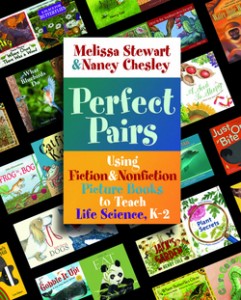 In Perfect Pairs: Using Fiction & Nonfiction Picture Books to Teach Life Science, K-2 (Stenhouse, 2014), children’s book author Melissa Stewart and Nancy Chesley, a K-5 science and literacy specialist, have created 22 lesson plans for young learners that introduce and expand upon science concepts related to “plants, animals, ecosystems, and natural processes,” each developed with complementary fiction and nonfiction texts and investigative activities. Designed for elementary teachers who are pressed for time or have little science training, the field-tested lessons are carefully constructed with step-by-step directions that scaffold the teaching of science with tips, suggestions, and reminders. Each lesson begins with a “Wonder Statement,” (e.g., “I wonder what plants and animals need to live and grow.”), and students are taught how to use a personal journal for recording observations, an obvious reading and writing connection. Additionally, the lessons are designed with numerous opportunities for cooperative learning, often calling upon students to work in groups of two or more on specific assignments that encourage sharing, reporting, and reasoning. Appendices include tables that list the Next Generation Science Standards Performance Expectations and the CCSS for the English language arts covered in each lesson, lesson-related reproducibles (also available online), and a bibliography of the picture books used. It's a comprehensive, child-centered resource.
 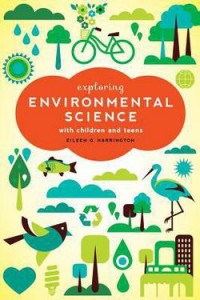 Public libraries interested in launching informal science education programs and school librarians looking for ways to integrate science books into class visits will find ideas galore in Eileen G. Harrington’s Exploring Environmental Science with Children and Teens (ALA, 2014). A health and life sciences librarian, Harrington managed the Naturalist Center at the California Academy of Sciences, an aquarium, planetarium, and natural history museum in San Francisco, which offers printable materials for many of the activities the author describes. Highlights include a dozen theme-based, science storytime programs, with recommendations of read-aloud books, craft ideas, and a synopsis of the “Science Behind the Topic.” Book club ideas for tweens and teens cover everything from planning to implementation, along with 10 specific title suggestions, related discussion questions, icebreakers, and enrichment activities. There are also chapters devoted to preschool and kindergarten programs, self-guided activities, citizen science, family programs, and environmental action clubs for teens. Simply put, Harrington does a top-notch job of outlining the many ways libraries can contribute to science education by offering well-planned, innovative programming.
 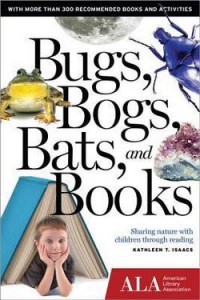 Kathleen T. Isaacs's Bugs, Bogs, Bats, and Books: Sharing Nature with Children through Reading (ALA, 2014) is a wonderful compendium of titles, most of them published within the last four years, for newborns to 12-year-olds. The author begins with an overview of the importance of these subject-specific books, noting our increasing screen-driven world and concern about nature-deficit disorder, as she convincingly explains how sharing books can spark a youngster’s interest in the natural world. After carefully outlining what to look for in a good nature book, Isaacs jumps into the annotations. Grouped under broad headings such as, “Nature Encounters,” “Habitats,” “Plants and Trees,” and “Animals,” each annotation includes title, author, subject headings, a suggested age level, and a brief and informative description of content. Of special note are chapters that highlight books of poetry, biographies, and titles for adults. Throughout, suggestions for simple activities that connect children to nature, from bird watching to moon gazing, are incorporated. Conversational in tone and authoritative in content, this volume is perfect to share with parents, caregivers, and teachers, and will serve as an excellent collection development tool.
Added To Cart
RELATED


RECOMMENDED
CAREERS
The job outlook in 2030: Librarians will be in demand
CAREERS
The job outlook in 2030: Librarians will be in demand
ALREADY A SUBSCRIBER? LOG IN
We are currently offering this content for free. Sign up now to activate your personal profile, where you can save articles for future viewing
ALREADY A SUBSCRIBER? LOG IN
Thank you for visiting.
We’ve noticed you are using a private browser. To continue, please log in or create an account.
Add Comment :-
Be the first reader to comment.
Comment Policy:
Comment should not be empty !!!