


2018 School Spending Survey Report
Peter Reynolds on facing the “testing camera”
I cried a little this morning when I watched it. Peter H. Reynolds’ new animated short, The Testing Camera, is a frightening look at the message our focus on high-stakes testing sends to our children. Saddened that her art class is canceled young Daisy is forced into a room to face her turn with the [...]
I cried a little this morning when I watched it.
Peter H. Reynolds’ new animated short, The Testing Camera, is a frightening look at the message our focus on high-stakes testing sends to our children. Saddened that her art class is canceled young Daisy is forced into a room to face her turn with the Testing Camera–a terrifying, blinding machine that does nothing capture her spirit or her talents. Weeks later, her father’s response to his daughter’s disappointing snapshot is a thing a beauty.
Peter Reynolds shares:
We’ve gone through a very test-centric decade which, in my opinion, has consumed a lot of time, energy, and resources. Many teachers have had to adhere to new mandates and measures that require a ‘teach to the test’ approach. Public schools redirected funding for art, music, theater, libraries, field trips, and more. It’s a discouraging picture for those trying to reach all children in creative, engaging ways.
This is my gift to educators to remind them to follow their instincts and remember why they got into teaching in the first place: to see the potential in every child, to nurture those emerging gifts and talents, and to change lives.
Peter shares another gift with this free poster. And he hopes that the film will inspire constructive conversations on how to better support authentic learning in the classroom and beyond.
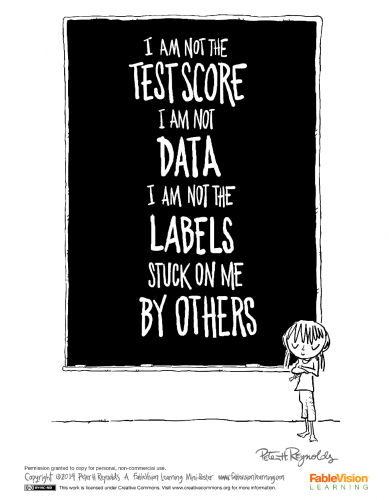
(Thanks to my friend, Craig Seasholes for this discovery!)


Added To Cart
RELATED


RECOMMENDED
CAREERS
The job outlook in 2030: Librarians will be in demand
CAREERS
The job outlook in 2030: Librarians will be in demand
ALREADY A SUBSCRIBER? LOG IN
We are currently offering this content for free. Sign up now to activate your personal profile, where you can save articles for future viewing
ALREADY A SUBSCRIBER? LOG IN
Thank you for visiting.
We’ve noticed you are using a private browser. To continue, please log in or create an account.

Add Comment :-
Be the first reader to comment.
Comment Policy:
Comment should not be empty !!!