


2018 School Spending Survey Report
National HIV Testing Day | Resources for You and Your Teens
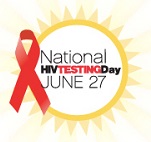
National HIV Testing Day (NHTD) is June 27th . First established in 2005 by the U.S. Dept. of Health and Human Services, NHTD seeks to bring attention to the importance of HIV testing, and through its website, make resources readily available to those who are looking for testing locations, disease facts, and more.
 e importance of HIV testing, and through its website, make resources readily available to those who are looking for testing locations, disease facts, and more. How big of a problem are STDs for U.S. youth? The Center for Disease Control statistics show that current STD prevention tools aren't working. Young adults ages 15-24 make up just over one-quarter of the sexually active population, but account for half of the 20 million STDs a year (CDC). Forty-seven percent of high school students have had sexual intercourse (CDC). Only 13% of high school students have been tested for HIV (CDC). The National HIV/AIDS Strategy recommends educating youth about HIV before they engage in sexual activities. About 1 in 3 sexually active high school students did not use a condom the last time they had sexual intercourse. Approximately 60% of adolescents aged 15-19 have not had a conversation about HIV prevention with their parents. In related news, Qpid.me, an HIV/STD prevention technology and the first sex education tool of its kind, was recently released. Qpid.me is a free app which helps students learn how to find a teen-friendly place to get tested, access their results online, and then confidentially share their status, if they choose. Qpid.me has been made available to health teachers in the Los Angeles Unified School District (LAUSD), providing a resource they can share with students in grades 7-12. Twelve year olds can get tested for a sexually transmitted disease (STD) and receive results without a parent's consent in some states.
Added To Cart
RELATED


RECOMMENDED
CAREERS
The job outlook in 2030: Librarians will be in demand
CAREERS
The job outlook in 2030: Librarians will be in demand
ALREADY A SUBSCRIBER? LOG IN
We are currently offering this content for free. Sign up now to activate your personal profile, where you can save articles for future viewing
ALREADY A SUBSCRIBER? LOG IN
Thank you for visiting.
We’ve noticed you are using a private browser. To continue, please log in or create an account.
Add Comment :-
Be the first reader to comment.
Comment Policy:
Comment should not be empty !!!