


2018 School Spending Survey Report
Catching on to Culture: Arts, Language, & Media | Series Nonfiction
The titles here take on a variety of themes and are aimed at a range of readers. Younger students will learn the basic principles of phonetics and punctuation, while those in higher grades will refine their analytical and writing skills to create sophisticated essays and other writings, learn about art masterpieces and major art movements through history.
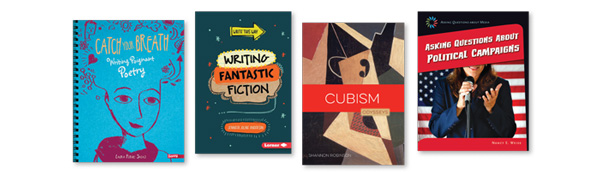 Students ranging in age and grade will learn much from and find a lot to admire in the varied and fascinating titles included in these series. Younger children will develop an appreciation for the finer points of the written language, including the basic principles of phonetics and punctuation, and receive some guidance as they make their first forays into crafting their own pieces. Those in higher grades will refine their analytical and writing skills to create sophisticated essays and other writings, learn about art masterpieces and major art movements through history.
Elementary
Amoroso, Cynthia. Hot Pot: The Sound of Short O. ISBN 9781634070232.
––––. On the Boat: The Sound of Long O. ISBN 9781634070256.
––––. Ten Pets: The Sound of Short E. ISBN 9781634070195.
Ballard, Peg & Cynthia Amoroso. Fun!: The Sound of Short U. ISBN 9781634070225.
––––. Little Bit: The Sound of Short I. ISBN 9781634070249.
Flanagan, Alice K. Cats: The Sound of Short A. ISBN 9781634070201.
––––. Play Day: The Sound of Long A. ISBN 9781634070263.
Noyed, Bob & Cynthia Amoroso. Cute!: The Sound of Long U. ISBN 9781634070218.
––––. Smiles: The Sound of Long I. ISBN 9781634070270.
––––. What a Week: The Sound of Long E. ISBN 9781634070287.
ea vol: 24p. (Long and Short Vowels). ebook available. photos. The Child’s World. 2015. lib. ed. $25.64.
PreS-Gr 1 –Large, bold black type makes these books easy on beginner readers’ eyes. The visuals are strong: brightly hued page borders, text set in stark relief on white against vivid background colors, and crisply reproduced, child-friendly photos depicting adorable animals and a cast of delightful multicultural kids engaged in familiar activities. Except in Cute! and Smiles, the text generally serves as captions for the images rather than as stories per se. Children won’t mind, though. They’ll meet with reading success here, as the simple, often rhyming sentences so closely correspond to the referent photos. Targeted vowel sounds are repeated often. Each title concludes with a list of words containing the specific sound and an identical “Note to Parents and Educators.” VERDICT A fine introductory series for new readers.
Garstecki, Julia. Rev Up Your Writing in Informational Texts. ISBN 9781634070638.
––––. Rev Up Your Writing in Nonfiction Narratives. ISBN 9781634070652.
Owings, Lisa. Rev Up Your Writing in Blogs. ISBN 9781634070614.
Pearson, Yvonne. Rev Up Your Writing in Fictional Stories. ISBN 9781634070621.
Simons, Lisa M. Bolt. Rev Up Your Writing in Letters and E-mails. ISBN 9781634070645.
––––. Rev Up Your Writing in Opinion Pieces. ISBN 9781634070669.
Zee, Amy Van. Rev Up Your Writing in Procedural Texts. ISBN 9781634070676.
ea vol: illus. by Mernie Gallagher-Cole. 24p. (Rev Up Your Writing). ebook available. further reading. glossary. illus. index. websites. The Child’s World. 2015. lib. ed. $28.50.
Gr 3-6 –These slim volumes present solid information and sound advice offered in concise, clearly written sentences printed in a large font. Written in a friendly, encouraging tone, they make for engaging reading. Cheerful, colorful cartoons and photos add to the visual appeal. Each title contains examples—usually hand lettered on lined paper, to resemble students’ work—of the specific type of writing, followed by questions to reinforce readers’ comprehension of concepts. Safety advisories appear in Blogs warning children not to share personal information. “Tips for Young Readers” includes helpful guidelines. VERDICT Lively and accessible motivators for students’ writing efforts. Good options for creative writing units.
Higgins, Nadia. The Whole Truth: Writing Fearless Nonfiction. ISBN 9781491459898.
Langston-George, Rebecca. Telling Tales: Writing Captivating Short Stories. ISBN 9781491459911.
Salas, Laura Purdie. Catch Your Breath: Writing Poignant Poetry. ISBN 9781491459904.
Schwartz, Heather E. Steal the Scene: Writing Amazing Drama. ISBN 9781491459881.
ea vol: 64p. (Writer’s Notebook). further reading. glossary. illus. index. websites. Capstone. 2015. lib. ed. $33.99.
Gr 4-6 –A conversational, friendly, encouraging tone enlivens the series, though the cheery, motivating voice makes creative writing seem perhaps too easy (“Inspiration is everywhere! New ideas are just waiting to be discovered.”). Notable features include the visuals (strong, captioned photographs and colorful, quirky illustrations); “Your Turn” exercises, which provide stimulating writing prompts; and sidebars that highlight famed authors and excerpts from their works. While useful, explanations and tips aren’t always clear or specific. Additionally, organization and focus are a little weak in some volumes, as transitions between topics don’t always seem logical. For those who struggle with writing, the wordiness of some titles may prove daunting. Glossary entries include pronunciation guides, with some pronunciation aids proving wholly unnecessary (e.g., instructions in pronouncing the words plot and blog). VERDICT Catch Your Breath is the strongest of the bunch; otherwise, this set is an additional purchase.
Powell, Marie. “What Did He Say?”: A Book About Quotation Marks. ISBN 9781607537274.
––––. Stop Right There.: A Book About Periods. ISBN 9781607537304.
––––. Take a Pause, Paul: A Book About Commas. ISBN 9781607537311.
––––. This Is Exciting!: A Book About Exclamation Points. ISBN 9781607537281.
––––. We’re Going to the Smiths’ House: A Book About Apostrophes. ISBN 9781607537298.
––––. What Is That?: A Book About Question Marks. ISBN 9781607537328.
ea vol: illus. by Anthony Lewis. 16p. (Punctuation Station). ebook available. Amicus. 2015. lib. ed. $25.65.
K-Gr 2 –Brief stories explain concepts clearly, while retro illustrations depict a recurring cast of diverse schoolmates correcting written work by adding specific punctuation marks. Each offering begins with a concise explanation of the general functions of punctuation and particular marks; specific marks are highlighted in color on covers and within stories. Each book reinforces others, since examples of different punctuation marks are used in each title. Each volume concludes with a reminder about how and when to use the marks, and examples are provided. A quibble about the commas volume: there are examples of commas separating a person being addressed from the rest of the sentence (e.g., “Take a pause, Paul”), but this rule isn’t clarified anywhere. VERDICT These very basic introductions will work best when accompanying classroom instruction.
Middle to High School
Anderson, Jennifer Joline. The Antihero. ISBN 9781624038013; ISBN 9781629695860. LC 2015931117.
Bacher, Lindsay. Biblical Allusions. ISBN 9781624038020; ISBN 9781629695877. LC 2015931042.
Bodden, Valerie. Coming of Age. ISBN 9781624038037; ISBN 9781629695884. LC 2015931034.
Bosco, Maryellen Lo. Fall from Grace. ISBN 9781624038044; ISBN 9781629695891. LC 2015931191.
Burling, Alexis. The Hero. ISBN 9781624038051; ISBN 9781629695907. LC 2015931035.
Combs, Maggie. Love. ISBN 9781624038068; ISBN 9781629695914. LC 2015931038.
Hamen, Susan E. The Quest. ISBN 9781624038075; ISBN 9781629695921. LC 2015931190.
Ray, Caitlin. Revenge. ISBN 9781624038082; ISBN 9781629695938. LC 2015931036.
ea vol: 112p. (Essential Literary Themes). further reading. glossary. illus. index. notes. websites. ABDO. 2015. Tr. $35.64. ebk. $35.64.
Gr 9 Up –These volumes provide detailed guidelines on examining literary works for thematic content and critiquing them. Each selection presents comprehensive overviews of familiar literary classics and films, followed by insightful analyses and critical-thinking questions. Ideas for alternative analyses will further stimulate students’ thinking (for instance, in The Antihero, an examination of Heathcliff is followed by a question about whether Cathy is a feminist antihero). Theses and their supporting arguments are highlighted and thoroughly explained. The inclusion of popular films, including those based on books by John Green, Suzanne Collins, and Veronica Roth, heightens the appeal. Color and black-and-white stills taken from films and cinematic and staged versions of the titles under discussion generously illustrate the volumes. Back-matter resources are excellent: “Analyze It” invites students to use what they have learned to analyze a book of their choosing, “Characteristics and Classics” lists salient features of the themes and famous works that include them, and bibliographies are in-depth. VERDICT Highly recommended for able, sophisticated students, and particularly valuable for advanced English and literature classes.
Anderson, Jennifer Joline. Writing Fantastic Fiction. ISBN 9781467779081.
Hook, Sue Vander. Writing Intriguing Informational Pieces. ISBN 9781467779074.
––––. Writing Notable Narrative Nonfiction. ISBN 9781467780841.
Loewen, Nancy. Writing Outstanding Opinion Pieces. ISBN 9781467779050.
––––. Writing Powerful Persuasive Pieces. ISBN 9781467779067.
ea vol: 56p. (Write This Way). bibliog. ebook available. further reading. glossary. index. notes. photos. websites. Lerner. 2015. lib. ed. $33.32.
Gr 6-8 –These brief, well-written, and well-organized volumes are jam-packed with solid guidelines. Written in a conversational, reader-friendly tone, the series will engage serious students. Colorful sidebars are interspersed. “Learn from the Masters” provides examples and tips from renowned writers, “Write It Out” offers exercises, and “Writers on Writing” presents quotes from well-known authors on navigating the process. The series as a whole holds out the happy prospect that there’s a type of prose suited to almost every aspiring writer but that it just takes practice, an idea, and willingness to revise. VERDICT Teachers will find this series helpful as the foundation of their own lessons, in addition to assigned student reading.
Fitzpatrick, Anne. The Baroque Period. ISBN 9781608185306.
––––. Cubism. ISBN 9781608185313.
––––. Realism. ISBN 9781608185351.
Gunderson, Jessica. Impressionism. ISBN 9781608185337.
––––. Late Modernism. ISBN 9781 608185344.
––––. The Renaissance. ISBN 9781 608185368.
––––. Romanticism. ISBN 9781608185375.
Robinson, Shannon. Gothic Art. ISBN 9781608185320.
ea vol: 80p. (Odysseys in Art). bibliog. chron. glossary. index. reprods. Creative Education. 2015. lib. ed. $42.80.
Gr 8 Up –These repackaged versions of Creative’s “Movements in Art” (2009) series feature new designs, but no changes have been made to the text. The positives include sophisticated writing, solid information (though not for novices), excellent reproductions, and colorful design. Each slim volume starts off with the same identical introduction. Historical and social context is provided, and the authors describe developments leading up to the movement and how these styles influenced later artists and techniques. However, in some cases, details of the artwork get lost in gutters. Works of art aren’t always identified, and their locations are rarely cited. Too often, important pieces mentioned aren’t depicted. Occasionally, sidebars highlighting art and sites, historical figures, and important events appear on out-of-context pages. Some of the definitions in the glossary are questionable, and the short bibliography contains outdated sources. VERDICT Additional for public and school libraries; perhaps refreshers for teachers before they introduce the periods and styles in art appreciation or history units.
Guillain, Charlotte. What Is Creative Nonfiction? ISBN 9781410980342.
––––. What Is Informational Writing? ISBN 9781410980359.
––––. What Is Instructional Writing? ISBN 9781410980373.
––––. What Is Persuasive Writing? ISBN 9781410980366.
ea vol: 32p. (Connect with Text). chart. further reading. glossary. index. photos. websites. Heinemann-Raintree. 2015. lib. ed. $29.99.
Gr 4-8 –Brief offerings with concise sentences clearly explain different types of writing and how students can craft personal work. This visually striking series contains many graphics and photos, bright background pages, and colorful sidebars. Each volume includes the helpful features “Text Around You,” which provides real-world examples of nonfiction writing, and “Text Tips!” Three titles also include “Text in History” sidebars, which, except for one focusing on Roald Dahl, highlight authors or incidents beyond readers’ scope. The reference to Woodrow Wilson during World War II in Persuasive Writing is a glaring error. The distinctive features of each type of writing are outlined, and students will learn how to create compositions such as autobiographies, essays, and game rules. VERDICT These quick reads will be beneficial in creative writing and journalism units.
Most of these sets have great value and appeal and offer plenty of classroom support. Aspiring authors will benefit from the series about creating various types of written works, including analytical essays—ABDO’s “Essential Literary Themes” is a standout here—autobiographies, op-ed and instructional pieces, short stories, and more. The titles for the youngest children offer much to cheer about. Child’s World’s “Long and Short Vowels” and Amicus’s “Punctuation Station” are very strong. Equally worthy is Child’s World’s succinct and motivating “Rev Up Your Writing” series, aimed at middle graders. The art series fill smaller niches.

Added To Cart
RELATED
BOOKS
PREMIUM
Tide’s Journey
BOOKS
PREMIUM
Whose Footprint Is That?
BOOKS
PREMIUM
The Tiniest Giant
BOOKS
PREMIUM
I Can Say Eat!


RECOMMENDED
CAREERS
The job outlook in 2030: Librarians will be in demand
CAREERS
The job outlook in 2030: Librarians will be in demand
ALREADY A SUBSCRIBER? LOG IN
We are currently offering this content for free. Sign up now to activate your personal profile, where you can save articles for future viewing
ALREADY A SUBSCRIBER? LOG IN
Thank you for visiting.
We’ve noticed you are using a private browser. To continue, please log in or create an account.
Add Comment :-
Be the first reader to comment.
Comment Policy:
Comment should not be empty !!!