


2018 School Spending Survey Report
Editorial | Series Nonfiction
Good nonfiction answers questions readers might have and provides them with a few new facts, but great nonfiction does that and even more: it leaves students with questions of their own, eager to seek out further information.
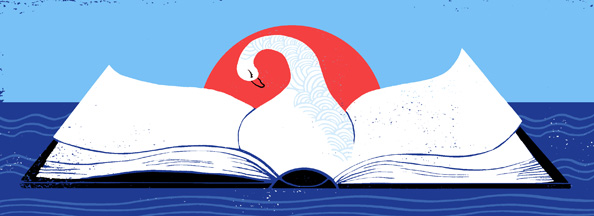
Illustrations by Hanna Barczyk.
Good nonfiction answers questions readers might have and provides them with a few new facts, but great nonfiction does that and even more: it leaves students with questions of their own, eager to seek out further information. As Steven Engelfried notes in “Hunters, Helpers, Engineers, and Invaders,” “it’s what happens after checkout that really matters.” When kids return to the subjects they’ve read about, whether by mulling these topics over on their own or by asking their librarians for similar materials, that’s when real learning occurs.
Many of these books are peppered with questions, whether in the back matter or in captions and sidebars, designed to push readers to interact with the text. In “Think Like a Scientist,” Audrey Sumser emphasizes that the best science titles are those that encourage curious minds, while in “From Dracula to the Tooth Fairy,” Margaret Bush highlights selections that ask readers to weigh the evidence when looking for the truth behind well-known myths and legends.
The choice of subjects, too, can get students pondering. In “Meaningful Pursuits,” Sumser notes that many publishers have gone beyond tried-and-true topics to highlight some dynamic new career options. With such a bevy of possibilities before them—asteroid hunter, sports agent, and crime scene tech, to name a few—children and teens are bound to start wondering about what else is out there and what they might truly be passionate about.
Students aren’t the only ones asking questions. Librarians are an inquisitive bunch, too, myself included. In my piece “The Whole Truth,” I raise a few queries about how to handle potentially inappropriate or difficult nonfiction topics for younger audiences—an issue I know that authors and librarians are constantly pondering. I’ll close with a few other questions. What themes would you like to see publishers cover? What are your patrons wild about lately? In short, what’s on your wish list, nonfiction-wise? Feel free to email me letting me know your thoughts and ideas.

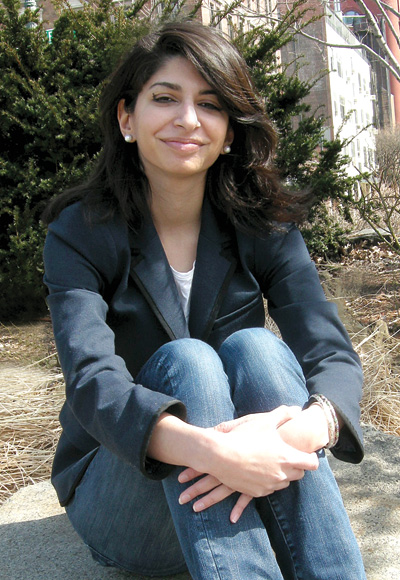
Mahnaz Dar (mdar@mediasourceinc.com), Editor of Series Made Simple Associate Editor for School Library Journal Twitter @DibblyFresh.

Added To Cart
RELATED
BOOKS
PREMIUM
Tide’s Journey
BOOKS
PREMIUM
Whose Footprint Is That?
BOOKS
PREMIUM
The Tiniest Giant
BOOKS
PREMIUM
I Can Say Eat!
RECOMMENDED
CAREERS
The job outlook in 2030: Librarians will be in demand
CAREERS
The job outlook in 2030: Librarians will be in demand
ALREADY A SUBSCRIBER? LOG IN
We are currently offering this content for free. Sign up now to activate your personal profile, where you can save articles for future viewing
ALREADY A SUBSCRIBER? LOG IN
Thank you for visiting.
We’ve noticed you are using a private browser. To continue, please log in or create an account.
Add Comment :-
Be the first reader to comment.
Comment Policy:
Comment should not be empty !!!