


2018 School Spending Survey Report
Real-life Heroes, Unspeakable Tragedies—and Kittens | Hi-Interest Nonfiction for Children and Teens
Unusual topics and funky facts about our world pepper this selection of high-interest nonfiction titles for students.
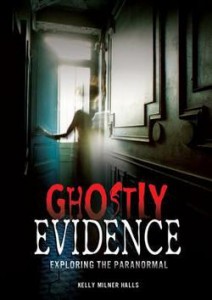 Halls, Kelly Milner. Ghostly Evidence: Exploring the Paranormal. (Lerner, 2014). Gr 4 Up–As the spooky season approaches, kids will relish this open-ended investigation into the spirit world close at hand. Stories of locations such as Gettysburg, Pennsylvania, the graveyard in Salem, Massachusetts, and the hotel from Stephen King's The Shining (it’s really haunted!) are followed by chapters on paranormal investigators and hoaxes. Guest appearances by authors Lisa Yee, Bruce Coville, and Vivian Vande Velde may encourage further reading. Halls's books on cryptids and aliens are already popular with readers with a taste for unexplained phenomena. (Dewey 133.)
 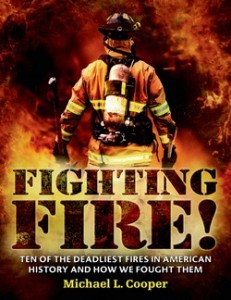 Cooper, Michael L. Fighting Fire!: Ten of the Deadliest Fires in American History and How We Fought Them. (Holt, 2014). Gr 5 Up–Fire fascinates. During the Baltimore fire of 1904, one newspaper account quoted by the author describes bystanders “awestruck with the dazzling but gruesome panorama.” Modern readers will be no less captivated as they read about large-scale city fires (New York 1835, Chicago 1871) and more localized—and often more deadly—tragedies such as the Cocoanut Grove fire (Boston 1942) and the General Slocum disaster (1904). Plentiful photos and other black-and-white illustrations bring events to life. (Dewey 363.)
 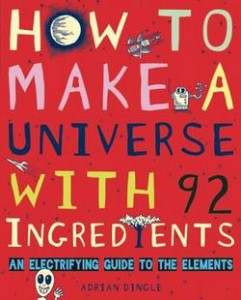 Dingle, Adrian. How to Make a Universe with 92 Ingredients: An Electrifying Guide to the Elements. (Owlkids Books, 2013). Gr 5-8–Ketchup is a pseudoplastic? And you thought it was just a condiment! Dingle gives readers an entertaining look at the chemical composition and properties of such items as coins, fireworks, skyscrapers, airplanes, comets, and poison. Colorful two-page spreads tempt the eye with bold graphics and short paragraphs, while sidebars offer interesting chemistry facts (on soap scum, solar wind, and more) and some doable projects to make (electromagnet, sugar glass, cork rocket). (Dewey 540.)
 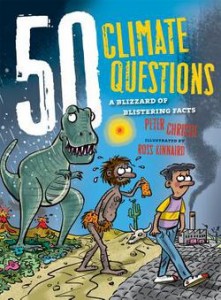 Christie, Peter. 50 Climate Questions: A Blizzard of Blistering Facts. (Annick , 2012). Illustrated by Ross Kinnaird. Gr 5–8-History + meteorology = hilarity in this heavily illustrated, nicely designed jaunt through four billion years of Earth’s history. What happened to the dinosaurs? When was the Year without a Summer? What’s the connection between the Little Ice Age and the greatest violins ever made? Christie explains it all in his book, which incorporates wacky full-color cartoons, goofy captions, and a humorous, irreverent text. Readers will learn about greenhouse gases, glaciation, and the climate effects of Earth’s wiggly orbit. (Dewey 551.)
 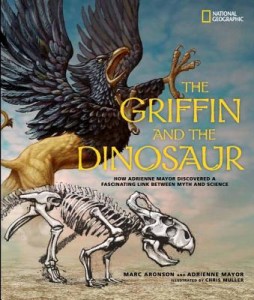 Aronson, Marc & Adrienne Mayor. The Griffin and the Dinosaur: How Adrienne Mayor Discovered a Fascinating Link Between Myth and Science. (National Geographic, 2014). Illustrated by Chris Muller. Gr 5-8–Were ancient conceptions of fantastic beasts such as the griffin inspired by fossils of prehistoric creatures? Mayor has spent a lifetime pursuing evidence that would support this theory. Her research has taken her all over the world and driven her to master at least two disciplines—classics and paleontology. The authors offer a book that combines two popular subjects in an inspirational story—full of fanciful illustrations and photos of ancient objects. (Dewey 560.)
 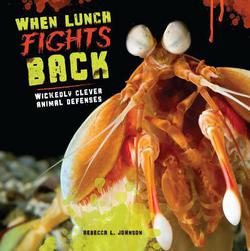 Johnson, Rebecca L. When Lunch Fights Back: Wickedly Clever Animal Defenses. (Millbrook Press, 2014). Gr 3-6–Float like a butterfly, slime like a hagfish. When it comes to combat, some members of the animal kingdom are possessed of superior kung fu: projectile vomit and pouches of poison are just the beginning. Large, lush photographs put readers at eye level with each creature, and the author highlights the scientists studying these animals as well as their findings. (That shrimp on the cover punches at 50 mph!) (Dewey 590.)
  Peters, Marilee. Patient Zero: Solving the Mysteries of Deadly Epidemics. (Annick, 2014). Gr 5-8–Cholera, yellow fever, typhoid. All diseases that have been beaten back in modern times thanks to the diligence and sacrifice of physicians and researchers. Their stories and those of victims of these diseases are given the you-are-there treatment in Peters's page-turner. Chapters about the identification and treatment of contemporary threats—AIDS, influenza, bubonic plague, and Ebola—are both terrifying and reassuring. Cartoon illustrations and a strong design keep the book visually interesting. (Dewey 614.)
  Cinotto, Laurie. The Itty Bitty Kitty Committee: The Ultimate Guide to All Things Kitten. (Roaring Brook, Macmillan, 2014). Gr 3 Up–Sometimes, nothing but a book full of adorable baby animals will do. Blogger and veteran kitten foster mother Cinotto will reel in readers with her beautiful photos and keep ‘em reading with good advice and information for potential kitten owners. Cute features include Dear Abby–type letters from kittens to an older cat, biographies of individual fuzzilicious kittens, craft projects, and sidebar lists. (Dewey 636.)
 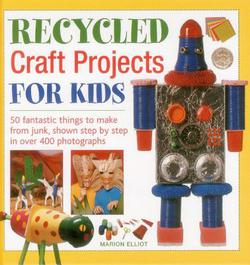 Elliott, Marion. Recycled Craft Projects for Kids. (Armadillo Music, 2014). Gr 3 Up–Occasional Britishisms ("yogurt pot," "cotton reel") are the only hitches in this collection of fun, attractive, and attainable crafts. Materials and steps are clearly photographed and described, and each craft leaves a lot of room for experimentation and personalization. The author highlights techniques such as papier-mâché and painting on plastic in a special section. A winner for kids who enjoy making stuff. (Dewey 745.5.)
 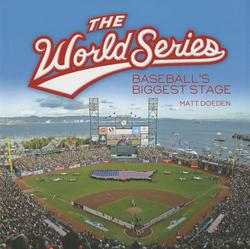 Doeden, Matt. The World Series: Baseball's Biggest Stage. (Millbrook, 2014). Gr 4-6–Sports lingo peps up play-by-play descriptions of the most dramatic moments and successful players in World Series history. Fans of the game will relish Doeden’s take on classic stories: the bloody sock, the first (and so far only) perfect game, and sluggers such as Albert Pujols, Reggie Jackson, and Babe Ruth. Iconic photos spotlight key moments, while sidebars explain the “Curse of the Babe” and the Black Sox scandal in detail. (Dewey 796.)
 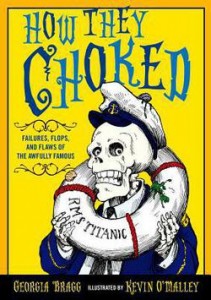 Bragg Georgia. How They Choked: Failures, Flops, and Flaws of the Awfully Famous. (Walker Children’s, 2014). Illustrated by Kevin O’Malley. Gr 5 Up–Chapters with titles such as "Oops, there go the Aztecs" (Montezuma II) and "Stinker, traitor, soldier, spy" (Benedict Arnold) tell the stories of failures by famous folks from the well-intentioned (Susan B. Anthony) and not-too-bright (Shoeless Joe) to the unwell (Vincent van Gogh, Isaac Newton) and just plain awful (Bruce Ismay, owner of the White Star Line and Titanic survivor). As in How They Croaked, author Bragg and O’Malley give readers an entertaining look at the not-so-pretty sides of well-known figures. (Dewey 920.)
 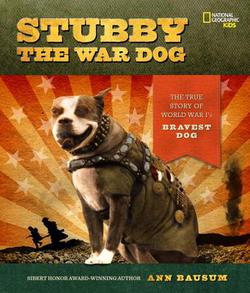 Bausum, Ann. Stubby the War Dog: The True Story of World War I's Bravest Dog. (National Geographic, 2014). Gr 4-7–“True story,” “brave dog,” and “war”—this title, appearing over a big picture of smiling Stubby, practically sells itself. To really seal the deal, give your students a glimpse of the numerous vintage photos that chronicle this canine’s eventful life as a war hero, stage performer, and college football mascot. Bausum unearths Stubby’s story, from stray dog to the Smithsonian, in this accessible entrée to World War I. (Dewey 940.) Titles for Middle/High School Readers
 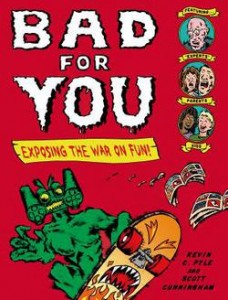 Pyle, Kevin C. and Scott Cunningham. Bad for You. (Holt, 2013). Gr 8 Up–It looks like MAD Magazine and reads like a sarcastic Howard Zinn—what better way to expose teens to the specious methods by which reactionary media, politicians, and members of the public attack video games, texting, unstructured play, and other elements of a happy teen hood. Wiggly, subversive-looking cartoons spell out the difference between good research methods and bad and show that correlation does not imply causation. Teens will glom onto it. (Dewey 306.)
 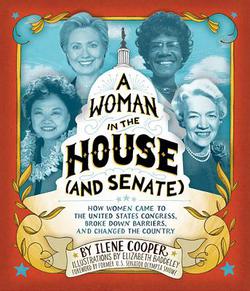 Cooper, Ilene. A Woman in the House (and Senate): How Women Came to the United States Congress, Broke Down Barriers, and Changed the Country. (Abrams, 2014). Illustrated by Elizabeth Baddeley. Gr 6 Up-“Unbought and Unbossed!” That’s how Shirley Chisholm presented herself when she ran for Congress in 1968. The history and accomplishments of women in Congress—including pioneers such as Jeannette Rankin and Geraldine Ferraro and fighters like Martha Griffiths and Bella Abzug—make for stimulating, inspiring reading in the hands of Cooper. Activate your students with this attractively designed book. Maybe we’ll finally see the Equal Rights Amendment (drafted in 1923) passed. (Dewey 320.)
  Shantz-Hilkes, Chloe. Hooked: When Addiction Hits Home. (Annick, 2013). Gr 7 Up–Readers will speed through these stories about growing up with a family member under the influence of an addiction. Searingly honest tales, informed by a survivor's perspective, are related about brothers, mothers, and fathers struggling with addictions to gambling, alcohol, and crack. A "How I Coped" section in each story is invaluable, as are the appended lists of resources and a FAQ. (Dewey 362.)
 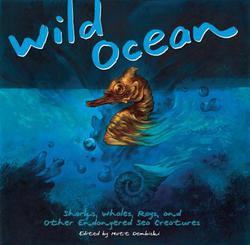 Dembicki, Matt, ed. Wild Ocean: Sharks, Whales, Rays, and Other Endangered Sea Creatures. (Fulcrum, 2014). Gr 7 Up–Beautiful, full-color graphic stories by 12 different creators illustrate the effects of overfishing, habitat encroachment, and other areas of human impact on marine animals and their environments. Dembicki has assembled a collection that varies in tone from realistic to fanciful and from comic to tragic. Tempt nature lovers with this gorgeously printed quick rea
 d. (Dewey 578.) Latta, Sara. Scared Stiff: Everything You Need to Know About 50 Famous Phobias. (Zest , 2014). Illustrated by G. E. Gallas. Gr 6 Up-Matt Damon is afraid of snakes. Young adult author Libba Bray is (quite sensibly) afraid of dolls. These and other entertaining facts are liberally sprinkled throughout this engaging description of phobias both common (arachnophobia: fear of spiders) and unusual (swinophobia: fear of pigs). Sidebars list related films, quotes, and interesting anecdotes about fear in all its varied forms. (Dewey 616.8.)
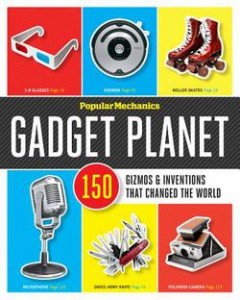 The Editors of Popular Mechanics. Popular Mechanics Gadget Planet: 150 Gizmos & Inventions that Changed the World. (Hearst, 2014). Gr 6 Up–High school readers may be mystified by some of the influential inventions in this book—Polaroid cameras, safety razors, and manual typewriters have come and gone—but they’ll be nonetheless fascinated by the origin stories of such commonplace wonders like the zipper, the Super Soaker, and the hair dryer. Dynamic design incorporates moderately sized text blocks with large photographs, period advertisements, and occasional sidebar features. Great report inspiration and fun to browse. (Dewey 629.)
  Taylor, Keren, ed. You Are Here: The WriteGirl Journey. (WriteGirl, 2014). Gr 7 Up–WriteGirl anthologies are like true-life Ellen Hopkins novels. This collection features poetry and a few prose pieces written by participants in the WriteGirl mentorship program: girls aged 13 to 18 and their adult mentors. Readers will find their attention caught by emotionally raw verses that capture their own feelings and pin them on the page. Tiny captions, printed in orange, explain the context in which each poem was written. Easy writing exercises encourage self-examination as well as creativity. (Dewey 811.)
 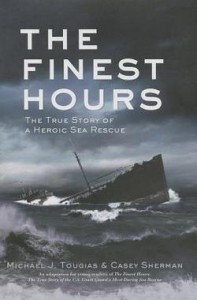 Tougias, Michael J. and Casey Sherman. The Finest Hours: The True Story of a Heroic Sea Rescue. (Holt, 2014). Gr 6 Up–Two commercial tankers break in half during a vicious nor’easter off the Cape Cod coast. It’s February, 1952. The question is not “Will men be lost?” but rather “Can anyone be saved?” The authors have adapted their The Finest Hours (Scribners, 2010) for young readers, who may wonder what the authors left out in this absolutely gripping version. The young Coast Guards who responded to the call of the ships in distress endured biting cold, damage to their boats, and long hours to pull off the impossible. (Dewey 910.9)
 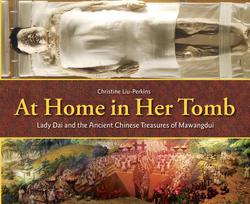 Liu-Perkins, Christine. At Home in Her Tomb: Lady Dai and the Ancient Chinese Treasures of Mawangdui. (Charlesbridge, 2014). Gr 6 Up–She was so perfectly preserved that more than 2,000 years after her death, scientists they could tell what Lady Dai had eaten at her last meal. Her story is at once a window into China’s early Han dynasty and an enduring mystery. For 15 years, the author has been mesmerized by this tale, buried in a sumptuous tomb with food, toiletries, musical instruments, and lovely silks. At Home combines ick (graphic photos of mummies!) with glamorous objects and compelling storytelling. (Dewey 932.) For additional high-interest nonfiction picks for readers, read Paula Willey's "Amazing but True" (Curriculum Connections, Dec., 2012) Paula Willey is a librarian at Baltimore County Public Library and reviews nonfiction and graphic novels for School Library Journal. Read her opinionated reviews online at Pink Me.
Added To Cart
RELATED


RECOMMENDED
CAREERS
The job outlook in 2030: Librarians will be in demand
CAREERS
The job outlook in 2030: Librarians will be in demand
ALREADY A SUBSCRIBER? LOG IN
We are currently offering this content for free. Sign up now to activate your personal profile, where you can save articles for future viewing
ALREADY A SUBSCRIBER? LOG IN
Thank you for visiting.
We’ve noticed you are using a private browser. To continue, please log in or create an account.

Add Comment :-
Be the first reader to comment.
Comment Policy:
Comment should not be empty !!!