


2018 School Spending Survey Report
Fun National Poetry Month Apps and Resources for Teens | Tech Tidbits
Colorado teacher librarian Phil Goerner shares a curated list of fun (and educational) apps and resources for teens celebrating National Poetry Month.
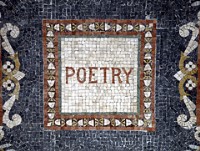
Image by takomabibelot
Wow. April is in full swing, which means National Poetry Month is upon us. Teachers are already planning units and themed studies surrounding verse. We librarians are the ones that they come to for new ideas. “Do you have any suggestions?” they ask. This is when you smugly smile and say, “As a matter of fact, I do!” There are a number of great resources such as the official National Poetry Month website, School Library Journal’s poetry resource page, and even the Library of Congress. Dig a little deeper and you’ll find that there are some other real gems out there as well. One of the best resources to get teens started on writing daily poetry is the National Poetry Writing Month site (similar to NaNoWriMo). This site features daily blogs with writing prompts, ideas, author links, and sample poems. The NaPoWriMo site challenges readers to pen a poem a day, suggesting such things as writing a fourteener poem similar to “Casey at the Bat.” Twitter is a great resource for projects. My school hosts a #twittahaiku contest where students can post a five-seven-five syllable poem to be eligible to win cheezy prizes such as sidewalk chalk or a coupon for a library latte. They can also post other forms of poetry, which have been mentioned on the “Tell Me More” National Public Radio podcast, or post via the hashtag #TMMPoetry. Don’t feel creative enough to tweet? Check out Poetweet, a website that turns your previous tweets into either a sonnet, rondel, or indriso—it's totally cool. Or better yet, follow the official Twitter hashtags #nationalpoetrymonth or #npm15 to read other poets’ creations. Educators and students can subscribe to receive the daily Poem-a-Day email feed for inspiration. Teens can create random poems using the autocomplete suggestions in Google search to compose incredible verses—and take a screenshot of their poem. They can even submit these works to a website devoted to this endeavor, Google Poetics, or via #googlepoetics on Twitter.
Screenshot of a Google Poetics verse.
Need additional inspiration? Tumblr has poetry hashtags to follow, such as #streetpoetry, #nationalpoetrymonth, and poem a day, some with great short pieces to read. There are also fun microblogs that are silly but fanciful, such as Poets and Shoes. Several celebrities have created online contests such as the #1for30 challenge where Maria Shriver and Azure Antoinette encourage folks to write a poem a day using the hashtag #1for30. The New York Times has a NYTimes Haiku page, and students can create NYTimes Found Poems, which use words and phrases taken from newspaper articles to submit toward their challenge. What's in it for the kids? They learn the impact words have on others and discover the power of the spoken word. Our students do this monthly in their poetry slams. Students read their own work in a scored competition and enjoy hearing the work of their peers. Plus, once students get really good, they can join the National Student Poets Program, and serve as poet ambassadors—and perhaps even be commended by the First Lady! Poetry Month always winds up in our library with a Poem in Your Pocket Day celebration on April 30. We employ creative ways to help students and staff members find their voice by carrying their favorite verses with them and reading these poems to each other. Participants can also share their verses via #pocketpoem on social media. Explore these resources with one or more of the teachers in your building. I’d love to hear what your library does to celebrate poetry.
Added To Cart
RELATED


RECOMMENDED
CAREERS
The job outlook in 2030: Librarians will be in demand
CAREERS
The job outlook in 2030: Librarians will be in demand
ALREADY A SUBSCRIBER? LOG IN
We are currently offering this content for free. Sign up now to activate your personal profile, where you can save articles for future viewing
ALREADY A SUBSCRIBER? LOG IN
Thank you for visiting.
We’ve noticed you are using a private browser. To continue, please log in or create an account.

Add Comment :-
Be the first reader to comment.
Comment Policy:
Comment should not be empty !!!