


2018 School Spending Survey Report
Folding Your Own: A Minicomics Primer for Librarians
What are minicomics? "Good Comics 4 Kids" blogger Brigid Alverson sheds some light on the independently created format, shares tips on how librarians can acquire minicomics for the collection, and suggests ways they can encourage creativity in teens.

An assortment of minicomics Photo by Karen Green
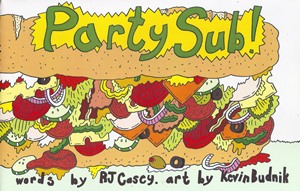
Minicomics are the first cousins of zines: both are handmade and self-published, with no gatekeepers or editors, and distributed outside the mass market—often sold directly to the reader by the creator. In an era when everything, including comics, is going digital, minicomics lean in the other direction: they emphasize the comic as physical object, often using unusual paper stock or printing techniques to make for a beautiful presentation. Minicomics have been around since at least the 1960s, but they are bigger than ever now, thanks to the popularity of independent comics festivals, the rise of self-publishing, and, perhaps ironically, the advent of digital media. Computers and digital printing make drawing, formatting, and prepping for print easier than ever before, and sales platforms such as Etsy and Gumroad (a service that allows creators to set up their own web stores) expand the potential audience beyond geographic boundaries. The Internet has also allowed creators to connect with other minicomics authors from local comics groups and set up events such as 24-Hour Comics Day. What’s more, there’s much overlap between minicomics and webcomics, with many artists publishing their work in both formats. The medium is extremely diverse, with creators from a variety of backgrounds telling their personal stories or simply making comics about the things that interest them most. Contrary to what their name implies, minicomics are not always small. While the term originally referred strictly to a comic made by folding a sheet of letter-size paper into fourths, it is now generally agreed that minicomics can be any size, as long as they are published by the creator and printed in small editions. Some are simply photocopied, folded, and stapled; others use special techniques such as silkscreen or the stencil-printing process, risography; and some are printed by commercial printers. Most minicomics are booklets, but creators have experimented with a variety of other formats: Ken Wong makes origami comics that fold into cubes and cootie-catchers, while RJ Casey and Kevin Budnik’s Party Sub folds out into a poster of an oversize submarine sandwich.
  Many libraries offer minicomics classes or mini-festivals as a way of engaging teens and encourage them to evolve from readers to creators. Minicomics are a valuable learning tool, too, because they allow a creator to tell an entire story from start to finish and to try out new ideas and techniques. Making a comic is not quite as straightforward as drawing pictures. It requires getting the pages in the right order (which can be tricky at first) and thinking about design aspects, such as how two pages look side-by-side and what is revealed when the page is turned. It’s a good way for teens to not only tell their own stories but to get some experience working in the medium. As for collecting minicomics, they can be found everywhere once you know where to look. Many brick-and-mortar comic shops carry them, and bookstores that specialize in zines, such as Quimby’s in Chicago, carry them as well. Small presses and individual creators also exhibit at independent comics festivals such as MoCCA in New York; CAKE in Chicago; Small Press Expo (SPX) in Bethesda, MD; and APE in San Francisco. While creators often sell minicomics from their websites or via Etsy, some small presses, such as Birdcage Bottom Books, distribute them, too. One of the best places to go trolling for minicomics is the digital comics service ComiXology, which has a huge collection of self-published comics in its ComiXology Submit imprint. While it’s a strictly digital service, ComiXology Submit is a great place to find new comics—and then hunt down the paper versions.
 If you’re a librarian acquiring or working with minicomics and teens, we’d love to hear from you. How are you using indie comics in the library or classroom? Comment below.
Resources on Indie Comics: How to Make, Buy, and Collect Them
Making Minicomics Cartoonist Conspiracy A downloadable minicomic about how to make a minicomic, from the International Cartoonists Conspiracy The Public Studio A simple downloadable guide on how to make a zine, from the Public Studio, an “activist design studio” in Canada diy: making minicomics A more comprehensive guide on how to make minicomics, with instructions on pagination and resizing art, by Jessica Abel, coauthor of Mastering Comics and Drawing Words and Writing Pictures (First Second, 2012) Whatcha Mean, What’s a Zine?, by Esther Pearl Watson and Mark Todd, is a how-to book about making zines, which are close kin to minicomics Library Resources Library Journal articles about collecting zines, which are similar to minicomics The University of Michigan roundup of resources for librarians interested in establishing a minicomics collection Teacher Jess Worby’s five-week comics class for teens Broken Pencil, a magazine devoted to zine culture Events Both Mini-Comics Day and 24-Hour Comics Day are occasions in which creators are invited to make a comic in a single day and share it online and in real life. Many local comic shops have events on those days. Minicomics to Check Out Baggywrinkles (2010) and Down to the Seas Again (2014) by Lucy Bellwood Bellwood is a sailing enthusiast who writes about life on board tall ships. Baggywrinkles is chock-full of nautical lore, while Down to the Seas Again chronicles a day aboard the whaling ship Charles W. Morgan. The Palace of Ashes (2014) by Andy Warner The story of the only remaining funerary building left in San Francisco, the man who restored it, and the newfound community that has formed around it, told in just eight pages Andrew Jackson Throws a Punch (2014) by Andrea Tsurumi Tsurumi imagines the seventh president getting fed up and starting a brawl at his inaugural ball. Hollow in the Hollows (2014) by Dakota McFadzean A short story about a young girl who escapes from everyday life to a special place in the woods The Anthropologists (2014) by Whit Taylor The adventures of two anthropology students in the Australian outback The Potter’s Pet (2011) by Braden Lamb and Shelli Paroline A fable about greed and desire, set in a souk, from the artistic team that just finished a run on the Adventure Time comics Limp Wrist (2014) by Scout Wolfcave and Penina Gal A brief memoir of growing up trans. Lots of saucy language, as well as bullying (for more mature readers).
Added To Cart
RELATED


RECOMMENDED
CAREERS
The job outlook in 2030: Librarians will be in demand
CAREERS
The job outlook in 2030: Librarians will be in demand
ALREADY A SUBSCRIBER? LOG IN
We are currently offering this content for free. Sign up now to activate your personal profile, where you can save articles for future viewing
ALREADY A SUBSCRIBER? LOG IN
Thank you for visiting.
We’ve noticed you are using a private browser. To continue, please log in or create an account.

Add Comment :-
Comment Policy:
Comment should not be empty !!!
Martha Cornog
Great article, Brigid! Another valuable resource is Robyn Chapman's website, The Tiny Report http://thetinyreport.com/, with the goal "to chronicle the comics micro-press movement and bring greater awareness to the books it produces." She also does an annual minicomic-sized Micro-Press Yearbook, which explains micro-press publishing and lists a number of micro-publishers (very small, usually one person publishing houses). Most of them publish and/or distribute minicomics from various creators.Posted : Apr 29, 2015 05:42