


2018 School Spending Survey Report
Librarian Creates #BlackLivesMatter Booklist for Teens
Chelsea Couillard-Smith, a librarian at Hennepin County (MN) Library, created a #blacklivesmatter booklist for teens.
Read This: #BlackLivesMatter Reads for Teens
Teens are naturally curious about current events and their roles as emerging citizens. Including fiction, non-fiction, and poetry titles, this list offers a great starting point for discussions of race, justice, and privilege. How It Went Down by Kekla Magoon Told through multiple perspectives, this teen novel examines the shooting of a Black teen by a White man. Complex and thought-provoking, it highlights the weaknesses inherent in eyewitness accounts. All American Boys by Jason Reynolds and Brandon Kiely
  Jointly written by authors Jason Reynolds and Brandon Kiely, this teen novel follows the experiences of Rashad, a Black teen savagely beaten by a police officer, and Quinn, a White teen who witnessed the attack. As lines are drawn in the community and at school, both teens struggle to make sense of the larger societal forces shaping their lives. Monster by Walter Dean Myers
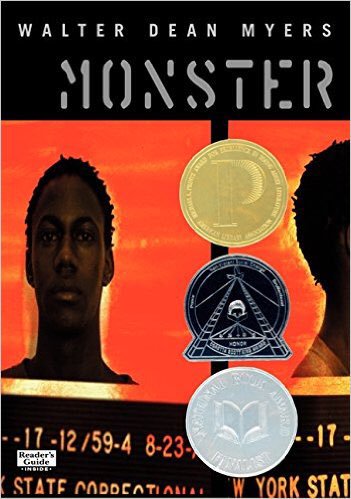 In this teen novel, a Black 16-year-old on trial as an accessory to murder recounts the path that led him into trouble. As small moral decisions become gateways to larger problems, readers will wrestle with questions of innocence and culpability that are never clearly answered.
 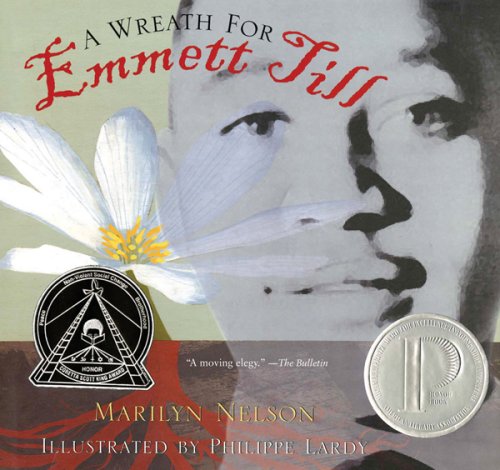 A Wreath for Emmett Till by Marilyn Nelson In this heroic crown of sonnets, Nelson asks readers to bear witness to the brutal murder of 14-year-old Emmett Till, a Black teen lynched in 1955 for allegedly whistling at a White woman. The questions raised about our country's racial history still resonate, and provide much for readers to discuss in the context of current events. We Troubled the Waters: Poems by Ntozake Shange, illus. by Rod Brown
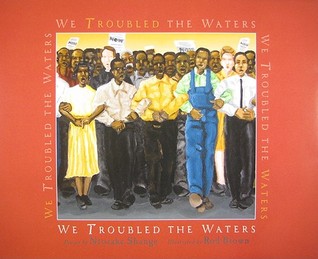 This collection of poems about the Civil Rights movement examines both well-known historical figures and the everyday folks living under racial oppression. While often uplifting and triumphant, Shange is nonetheless honest about the strides yet to be made.
 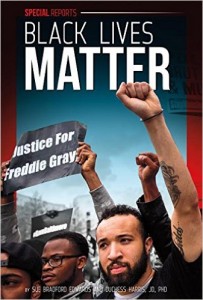 Black Lives Matter by Sue Bradford Edwards This nonfiction book for teens examines a number of recent high-profile cases of police brutality and racial profiling, placing them in historical context and analyzing a wide range of viewpoints. Claudette Colvin: Twice Toward Justice by Phillip M. Hoose
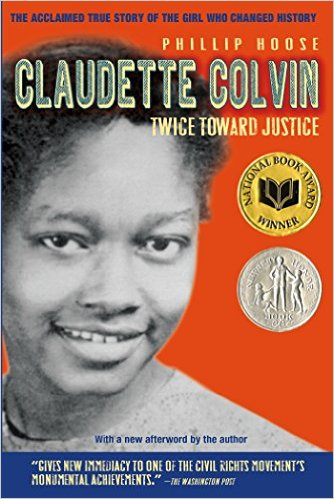 This juvenile biography of Black teen Claudette Colvin examines the role she played in helping to integrate Montgomery's bus system during the Civil Rights Movement. An inspiring role model of activism for teens, Colvin's story also highlights the machinery behind political movements and the interconnected communities that create and sustain change.
 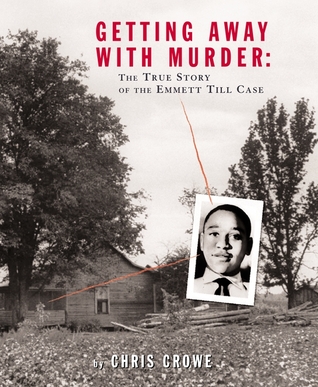 Getting Away with Murder: The True Story of the Emmett Till Case by Chris Crowe A juvenile nonfiction account of the horrific murder of a Black teen in 1955, and the way it galvanized the Civil Rights Movement in America. Full of primary source material, including haunting images of the victim and his killers, it will resonate with teens eager to discuss contemporary parallels. No Choirboy: Murder, Violence, and Teenagers on Death Row by Susan Kuklin
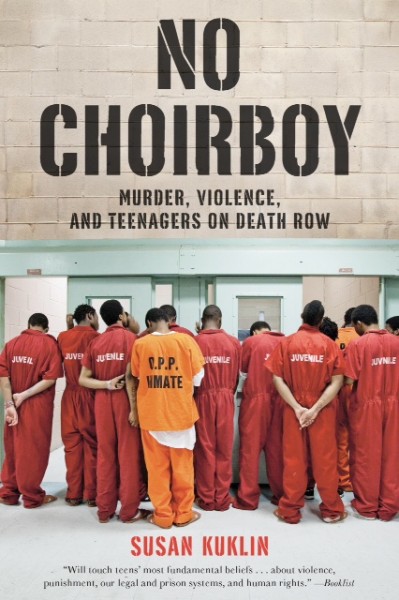 This nonfiction collection for teens of true stories features the experiences of teenage convicts on death row. Incorporating the voices of their families, victims, and those involved in their cases, it provides a complex view of our legal system and raises important questions about justice and racial equality in America.
 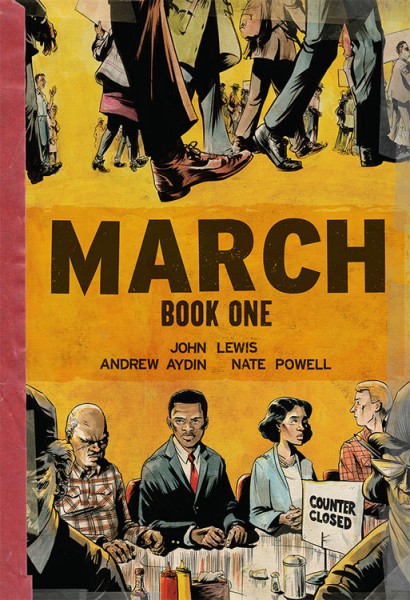 March: Book One by John Lewis and Andrew Aydin, illus. by Nate Powell This memoir for teens and adults in graphic novel format begins the inspiring story of Congressman John Lewis who stood on the front lines of the Civil Rights Movement as a teenager. A Good Time for the Truth: Race in Minnesota edited by Sun Yung Shin
 A diverse collection of authors, educators, and artists share essays on their experiences of being "other" in Minnesota, and the current state of race in an increasingly diverse Midwestern landscape. Written for adults, it's sure to spark discussions among teen readers, too.
 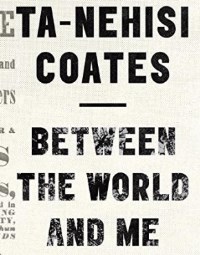 Between the World and Me by Ta-Nehesi Coates Accessible to both teen and adult readers, Coates' letter to his son highlights the long history of brutality against Black bodies in the United States, and reveals the hopes and fears of a Black father for his child.
Added To Cart
RELATED


RECOMMENDED
CAREERS
The job outlook in 2030: Librarians will be in demand
CAREERS
The job outlook in 2030: Librarians will be in demand
ALREADY A SUBSCRIBER? LOG IN
We are currently offering this content for free. Sign up now to activate your personal profile, where you can save articles for future viewing
ALREADY A SUBSCRIBER? LOG IN
Thank you for visiting.
We’ve noticed you are using a private browser. To continue, please log in or create an account.
Add Comment :-
Comment Policy:
Comment should not be empty !!!
Benj
Name one single BLM leader. Name one of the objectives-goals and hopes for the future- that was the foundation and start of the movement. BLM is not an organization. It's an initiative. You can't take the instances where people do or say offensive things because they're angry and exploit them as the face or the core values of BLM. That is so manipulative. People who actually want to se être initiative prevail are who you should be studying, but that would mean you would actually have to take a vested interest in understanding BLM perspective. MLK did not and does not represent an entire demographic and his beliefs do not transcend into this time of uncontained extrajudicial violence. If you truly studied MLK and his beliefs, you would see why throwing his name up every time you can't keep black people compliant is ironic. BLM does not hate police- and that's really narrow to think. But I'm sure you can understand that the too many times people have been hurt because of individuals decisions to not be upstanding members of the police force have affected the reputation of police in America. There needs to be some reform because there are too many cases of unacceptable brutalizations and murder- police are not above the law and not above prosecution. Instead of being concerned about why people are having these reactions, because of the hurt and anger and sadness that is pushed on communities ever 28 hours, because black people are being murdered unnecessarily, you come onto a forum of positivity and spout your narrative of anti-blackness and anti-reform. This kind of stuff is important and it needs to be talked about, and people need to be aware in such a high stake, high tension situation. BLM is important and it has helped a lot of people- invalidating it and what it truly stands for is shameful. Before BLM people were content in being bystanders, watching injustices and doing nothing to fix it. At the very least, people can acknowledge that there is a problem, and it needs to be addressed. And there's absolutely nothing wrong with educations younger generations so that they aren't clueless about the reality of the world. Why is this something that you believe shouldn't be fought for? Why wouldn't it be worth it to ensure everyone's rights?! Why is it not priority to end the persecution of people that have been affected by systemic racism for centuries?Posted : Dec 03, 2016 08:55
Pam Carlson
I'm wondering why librarians would want to be associated in any way with an organization whose mantras include "Pigs in a blanket, fry 'em like bacon" and "What do we want? Dead cops! When do we want them? Now!" and the leaders are then surprised, surprised to find that their chants incite men to actually murder policemen.Posted : Aug 31, 2016 05:36
Elias
There was good LA Weekly article on history of BLM LA ...Posted : Aug 17, 2016 02:21
anne
The 2016 In the Margins Book Award, non fiction: America's Massacre: the Audacity of Despair and a Message of Hope by Tewhan Butler.Posted : Aug 11, 2016 03:12
Aline Reed
I was sad that the Autobiography of Malcolm X was not included on this booklist. I have nephews who read it as teens; they say it made an impact on their lives.Posted : Aug 04, 2016 02:19
MCH
I just read "Project Fatherhood. It is inspiring, moving, realistic and true. Perhaps best for older high school students, but middle school students could also benefit. I am not a teacher, so make these suggestions tentatively. A fantastic example of wisdom and empowerment from within, as well as the complexities and obstacles that arise on the way. From the book cover: "In 2010, former gang member turned community activist Big Mike Cummings asked UCLA gang expert Jorja Leap to co-lead a group of men struggling to be better fathers in Watts, South Los Angeles, a neighborhood long burdened with a legacy of racialized poverty, violence, and incarceration. These men came together each week to help one another answer the question "How can I be a good father when I've never had one?"Posted : Jul 22, 2016 08:29
Regan
Oh God. More indoctrination for the public schools. Have a look how toxic this movement is. https://youtu.be/IaybrpQ2vxkPosted : Jul 18, 2016 05:28
Yvonne Aburrow
May I also recommend the excellent book Like Water by T Thorn Coyle. It's about what happens after a Black musician is killed by police - the huge hole left in the lives of his partner and friends.Posted : Jul 17, 2016 05:49
Steve Schnapp
Great resource. Thank you! I wonder what folks would recommend in other media (e.g., digital) or if there are existing lists.Posted : Jul 14, 2016 02:22
Akil Kamau
Nice list, for high school students I would add "The Autobiography of Malcolm X" and "Assata"Posted : Jul 13, 2016 06:53
Sue
Thank you for this list. I am a white Englishwoman trying to get myself up to speed with the issues behind Black Lives Matter, and this is a really helpful list of resources.Posted : Jul 13, 2016 12:56
jmagnuson
Speaking of Oaktown don't forget the great Jess Mowry, beginning with Way Past Cool, as relevant now as 1993, as he says of his characters: "Almost all my stories and books are for and about black kids, who are not always cute and cuddly. My characters often spit, sweat and swear, as well as occasionally smoke or drink. Just like their real-world counterparts, some are "overweight" and have no desire to be skinny, or may look "too black," or are otherwise unacceptable by superficial American values... including some African-American values. Like on-the-real kids, they often live in dirty, violent environments, and are forced into sometimes nasty lifestyles...And almost no one writes books or stories about them -- at least seldom in ways that don't exploit them..."Posted : Jul 13, 2016 07:40
Teffanie
Please consider adding Dirt published by Brown Girls Books for middle grade readers.Posted : Jul 13, 2016 07:03
Amy Sonnie
Thank you Chelsea for this great list for teens and for building upon Oakland Public Library's #BlackLivesMatter series. Would love to stay in touch to collaborate and expand on these efforts. --Amy, OPLPosted : Jul 13, 2016 04:12
Ann Voss
I would add Crossover and Booked by Kwame Alexander. (Also a graduate of Miami University.)Posted : Jul 12, 2016 09:26
Mark Falkin
My novel, CONTRACT CITY (Bancroft Press, 2015), ought be considered for this, or a New Adult, list as it focuses on the 1921 Tulsa Race Riots and how art and love can defeat prejudice and speak truth to power.Posted : Jul 12, 2016 08:46
Jeffrey Keefer
Useful starter list; thanks for sharing it!Posted : Jul 12, 2016 08:29
Tony Abbott
Only because this is a forgotten book that might be useful in a historical way, I’d suggest Lunch-Box Dream, for middle grade. It was published by FSG, 2011.Posted : Jul 12, 2016 08:06
Greg
Black Lives Matter is a racist, police-hating, race war seeking organization.Posted : Jul 12, 2016 07:54
Angel Tucker
Check out our site above. We're using the book Some of My Best Friends are Black - Strange Story of Integration to build conversations and relationships with teens in Kansas City.Posted : Jul 12, 2016 04:48
Wendy Stoll
I would LOVE some ideas that would work for middle school as well :). I do have several of these in the library.Posted : Jul 12, 2016 12:26
Mig Hayes
Excellent list! I would also recommend Black and White by Paul Volponi--a powerful novel about two best friends, white and black, who move through the criminal justice system in very different ways. Also Kwame Alexander's novels, The Crossover (2105 Newbery Award winner) and Booked.Posted : Jul 10, 2016 11:37
Linda J Johnson
What a great list! Hstory and current state of affairs all in one place. I have the Congressman book and I met him at the Book Festival in Washington, DCPosted : Jul 10, 2016 07:51
Lisa Turner
An amazing list, which I'm working on implementing for a ninth gradee choice read unit! We certainly need more explicit instruction on the nature of the movement, and its nuances. One note: adding lexile numbers and/or suggested grade levels would be a huge help in streamlining curricular decisions. Thanks for posting this great resource! Lisa TurnerPosted : Jul 10, 2016 05:29
Traci Milan
Check arbookfind.comPosted : Jul 10, 2016 04:34
Serena Hicks
Are there age or grade level guidelines for books on this list? By this, I mean are these middle school/junior high reading level, high school reading level?Posted : Jul 10, 2016 01:12