


2018 School Spending Survey Report
12 Blogs of 2014: R. David Lankes
Truth be told, I’m not an avid blog reader. Since the demise of Google Reader, I’ve not devoted much time to finding a new tool to help me organize and track my blog reading. The blogs I do read belong to those people who I can count on to get me thinking and give me [...]
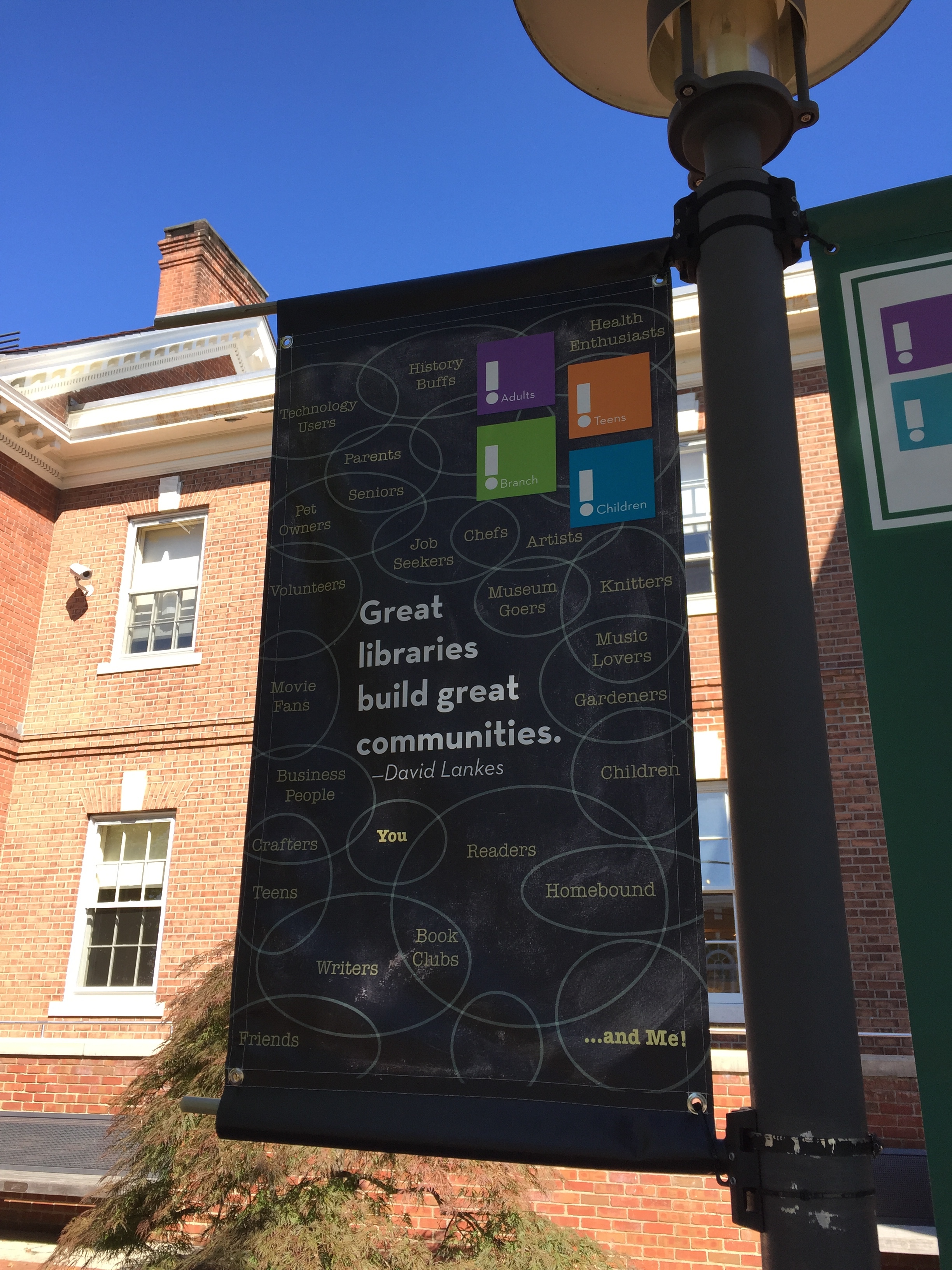 Truth be told, I’m not an avid blog reader. Since the demise of Google Reader, I’ve not devoted much time to finding a new tool to help me organize and track my blog reading. The blogs I do read belong to those people who I can count on to get me thinking and give me some great ideas, and few make me think more than R. David Lankes.
Now that I’ve got some distance from being a full time student, I’m realizing how much I miss the discourse of being in the classroom. I miss the thought provoking readings, the vigorous discussion, learning not just from professors, but from peers. David has, with his blog, recreated some of this. He’s an academic who knows and appreciates the boots on the ground work that librarians really do, and the work we might do, we could do, and we want to do.
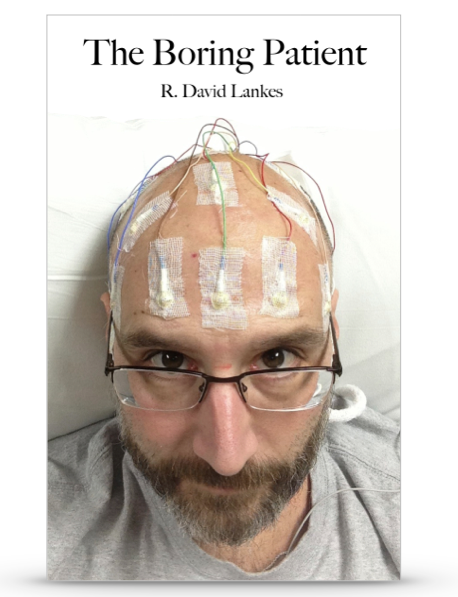 I came to know David through his ILEAD keynotes in March, June, and October (which are absolutely required viewing if you are despairing about the importance of libraries). If you do watch these keynotes, you’ll learn about David’s personal journey through illness and into health, which he shares more of in The Boring Patient.
And if you haven’t visited his blog before, this week is a great time to do so. He’s beginning a series of Radical Conversations on New Librarianship, and we’re all invited to join in. This week the topic is Defining a Library. It gives me a thrill like I used to get while sitting in the classroom of a particularly inspiring professor, and I’m so glad I can participate at my leisure with the benefit of my years of practical library work. It’s the perfect way for me to recapture what I loved about being in school, without actually being in school.

Added To Cart
RELATED

RECOMMENDED
CAREERS
The job outlook in 2030: Librarians will be in demand
CAREERS
The job outlook in 2030: Librarians will be in demand
ALREADY A SUBSCRIBER? LOG IN
We are currently offering this content for free. Sign up now to activate your personal profile, where you can save articles for future viewing
ALREADY A SUBSCRIBER? LOG IN
Thank you for visiting.
We’ve noticed you are using a private browser. To continue, please log in or create an account.
Add Comment :-
Be the first reader to comment.
Comment Policy:
Comment should not be empty !!!