Technology

Mark Ray asserts that principals and librarians have a lot more in common than you might think—and he should know. After 20 years as a teacher librarian, the 2012 Washington Teacher of the Year has become a district IT administrator. From his new perch, he shares insights into the the pivotal alliance possible between two key solo players in the school: librarian and principal.
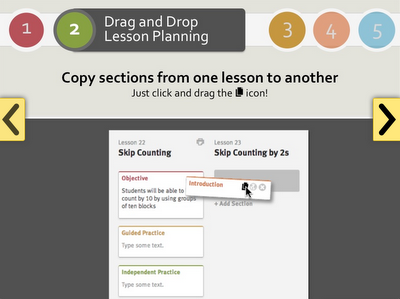
Ready or not, here they come. At almost every school I visited this year, teachers asked me to address the Common Core (CC) standard in my workshops. Planning lessons with CC in mind presents a challenge, but it doesn’t have to be difficult. These sites are designed with the express purpose of helping plan lessons around Common Core.
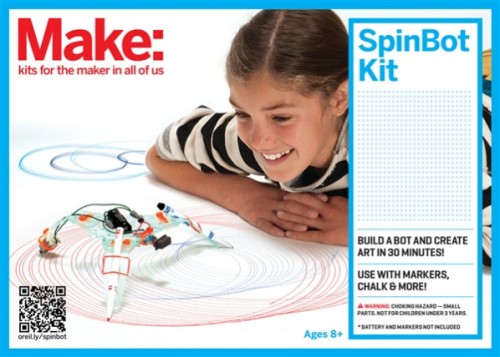
From ebooks to digital literacy, there was plenty to debate at the Midwinter meeting of the American Library Association. But the unconference on January 25 revealed clear consensus on one topic: maker spaces. They’re red hot.
Teaching librarians and language arts educators have, via fandom, a unique opening to reframe netiquette as something other than a subset of character education or online safety.
I'll hazard that many of us don't immediately think "games" when we think of "transliteracy," but why not?
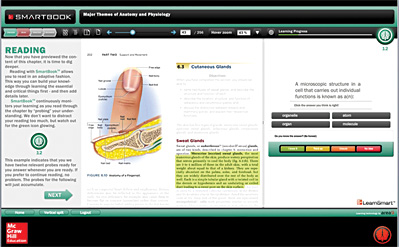
Grumbling about the relevance of CES notwithstanding, several standout products are set to impact K–12 education. SLJ columnist Jeff Hastings taps the highlights, including one overarching trend that’s bound to affect a wide range of devices for all users.

With the free BiblioBoard iPad app readers can dip into curated collections of “licensed, open source and public domain materials” on topics ranging from Punk Rock to The Brothers Grimm.

If we build it well, a Digital Public Library of America (DPLA) can help school libraries meet the information needs of students even as local budgets shrink. The DPLA can provide important resources to the partnership between library-based and classroom-based teachers, especially during this period of rapid change in education, in libraries, in technology, and in the world of information generally.

Sixty percent of publishing executives believe that tablets have become “the ideal reading platform,” and 45 percent believe that dedicated e-readers will soon be irrelevant, according to a recent online, by-invitation survey conducted by global research and advisory firm Forrester.
1,659 articles
ALREADY A SUBSCRIBER? LOG IN
We are currently offering this content for free. Sign up now to activate your personal profile, where you can save articles for future viewing
ALREADY A SUBSCRIBER? LOG IN
Thank you for visiting.
We’ve noticed you are using a private browser. To continue, please log in or create an account.