Technology

National Screen-Free Week has finally arrived—and, if you’re reading this, you probably haven’t yet taken the pledge to dramatically reduce the time you spend using a computer for the next few days. But many educators (and a kid lit publisher or two) are doing just that, encouraging kids to explore a range of non-screen activities this week, including reading books, going outside, and having fun the old-fashioned way.
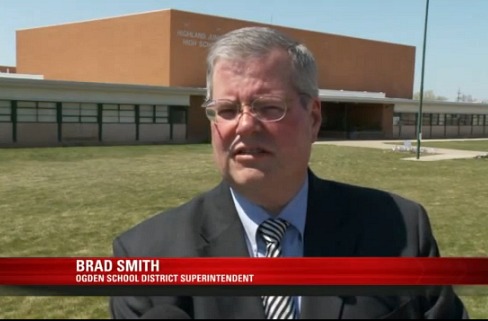
Utah’s Ogden school district is eliminating 20 of its library media specialists due to a $2.7 million budget deficit for the 2012–2013 school year. Includes links to the latest local news updates and video dispatches.
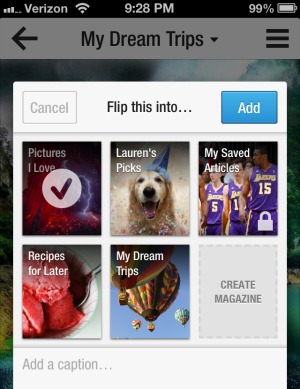
Now anyone can create a beautiful digital zine of customized content, thanks to Flipboard. In a highly touted feature, version 2.0 of the iconic newsstand app allows users to select content they find on Flipboard to create magazines on any interest or topic. SLJ's screencast shows you how to make your own publication in the image-rich format, add articles, and publish to the world or select subscribers.
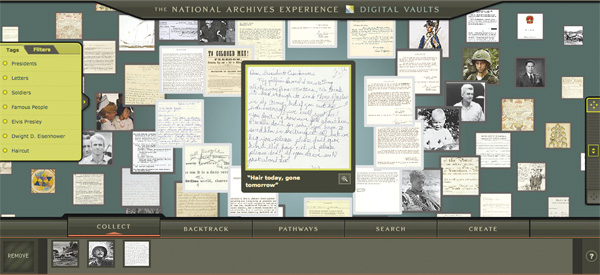
Primary resources can help bring history to life for students. Make the most of first-hand accounts and other primary source content with tools such as the National Archives' Digital Vaults, video tour included.
To celebrate its 5th anniversary the Classroom 2.0 Community (with the help of additional educational networks), recently released the community-sourced Classroom 2.0 The Book. Inspired by and led by community founder, Steve Hargadon, with Richard Byrne (Free Technology for Teachers) and Chris Dawson (ZDNet Education), the project’s official deadline for submissions was today, April 21st. In [...]

The New York Times crowned 2012 as “The Year of the MOOC.” Journalist Audrey Watters trains a critical eye on the hottest trend in education and considers what it might mean for K-12 schools.
This year’s Computers in Libraries conference included sessions particularly useful to school librarians, with topics ranging from ebook creation to the flipped classroom.

BYOD, or bring your own device, programs offer media specialists an opportunity to connect with students, teachers, and school administrators—and to take a leadership role in their schools and districts.
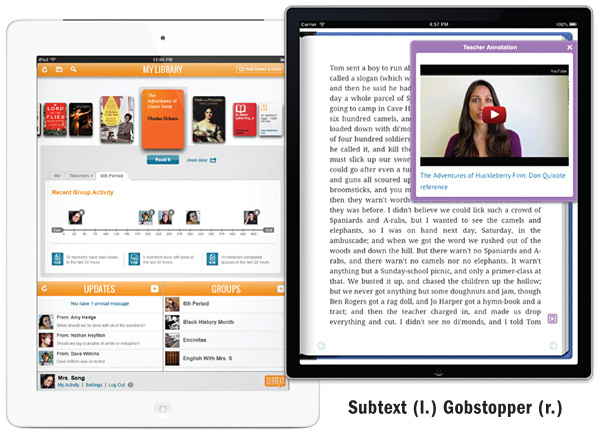
The ability for teachers and students to embed their own content into digital texts, write notes, and get feedback on student reading—classroom reading just got a lot more dynamic. SLJ columnist Jeff Hastings test driives Gobstopper and Subtext.
1,659 articles
ALREADY A SUBSCRIBER? LOG IN
We are currently offering this content for free. Sign up now to activate your personal profile, where you can save articles for future viewing
ALREADY A SUBSCRIBER? LOG IN
Thank you for visiting.
We’ve noticed you are using a private browser. To continue, please log in or create an account.