Technology

Filmmaker Cullen Hoback's work represents a treasure trove of ideas for those who want to connect domestic spying and the death of privacy to civics, media studies, ICT, and political theory—not to mention information literacy and digital literacy specifically.
StarWalk Kids Media has announced that it has made all 160-plus ebooks in its collection available free of charge to children, families, and educators during the entire month of July. In just the first three days after the initiative was launched via Twitter (#PopUpLibrary), nearly 3,000 ebooks have been read, the company says.
In a powerful, proactive reminder of the principles for which our profession stands, yesterday ALA announced the launch of ALA Liberty, a new website that contains tools libraries can use to host educational sessions and public forums that help Americans understand their First and Fourth Amendment rights. ALA Liberty offers guides and tip sheets for libraries as [...]
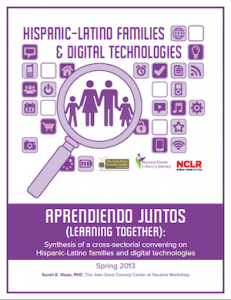
The National Center for Family Literacy (NCFL) and the Joan Ganz Cooney Center at Sesame Street Workshop have created the Aprendiendo Juntos (“Learning Together) Council (AJC) to identify models and practical strategies to improve digital literacy for Hispanic-Latino families. AJC plans to use the findings to influence public and private sector investments in effective programs for the community on a regional and national scale.

Emily Gover and Caity Selleck, information literacy librarians and content developers for EasyBib and its new platform, ResearchReady, posit that libraries should stay open later hours in order to serve students' research needs.
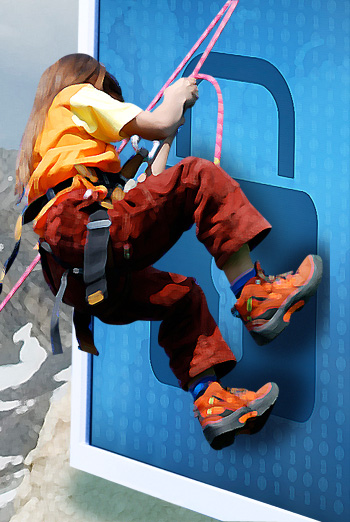
New rules take effect this month intended to protect kids’ privacy online, and some librarians are worried. Some say that the more stringent regulations may impede mobile app use in elementary schools—and also prevent kids from recreationally sharing favorite hobby sites with each other.

Aurasma is an augmented reality tool which allows you to overlay images and videos on to static content, sort of like "QR codes on steroids." The Guybrarian has incorporated it into his back-to-school library orientation plan, and thinks you should too.
One of my favorite discoveries at ISTE was Graphite. Launched by Common Sense Media, the nonprofit known by parents, teachers and librarians for its high quality, nonpartisan reviews and its popular Digital Literacy and Citizenship Curriculum, Graphite promises to be the go-to platform for helping teachers make sense of an exponentially evolving number of digital [...]
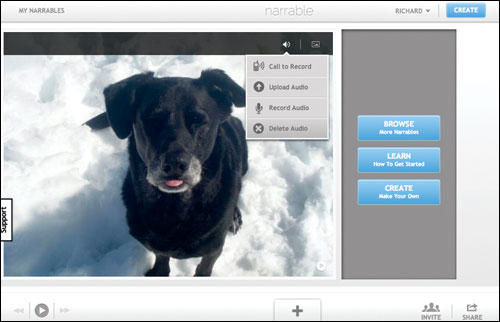
Here Richard Byrne covers sound and video applications that enable students to blog—without writing, from SoundCloud and Animoto to a new audio slideshow tool called Narrable.
1,659 articles
ALREADY A SUBSCRIBER? LOG IN
We are currently offering this content for free. Sign up now to activate your personal profile, where you can save articles for future viewing
ALREADY A SUBSCRIBER? LOG IN
Thank you for visiting.
We’ve noticed you are using a private browser. To continue, please log in or create an account.