Technology
As education technology has evolved, so, too, have the kinds of digital tools that school librarians use with their students. More than 750 school librarians responded to SLJ’s survey, representing K–12 public and private schools across the country. According to the data, they make the most of what they have, learning one day and sharing that knowledge the next.
EducationSuperHighway is launching a comprehensive national effort to upgrade broadband access in America’s schools, funded by Facebook founder Mark Zuckerberg’s Startup:Education organization, the Gates Foundation, and several other groups.
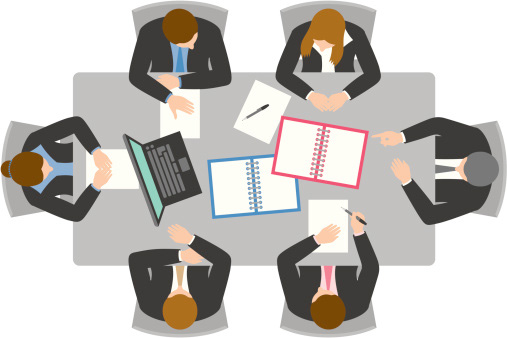
Passionate school library advocacy takes many forms, though all too often these efforts don’t reach the district and state level. This can change once stakeholders start working together to improve student outcomes. That’s the goal of Project Connect, a national initiative bringing thought leaders to the same table to support the needs of 21st century schools.
The Internet offers today’s youth unprecedented opportunities to connect with peers and seek knowledge in almost any area of interest—and libraries are uniquely positioned to play a central role in this learning, according to Mimi Ito, professor and cultural anthropologist at the University of California, Irvine, and principal investigator for the new education model Connected Learning.
Has the maker movement taken hold in your library yet? Starting a maker space is easier—and less costly—than you may think. Technologies such as robotics, digital video production, computer coding, and 3-D printing may garner the most attention, but traditional activities instill the same spirit of invention, collaboration, and critical thinking of the maker phenomenon.

What could your library do with gigabit broadband? If you don’t have a list of innovative ways to use an Internet connection 10 or 100 times faster than the current norm, start making it now.
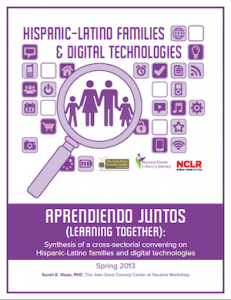
The National Center for Family Literacy (NCFL) and the Joan Ganz Cooney Center at Sesame Street Workshop have created the Aprendiendo Juntos (“Learning Together) Council (AJC) to identify models and practical strategies to improve digital literacy for Hispanic-Latino families. AJC plans to use the findings to influence public and private sector investments in effective programs for the community on a regional and national scale.
Emily Gover and Caity Selleck, information literacy librarians and content developers for EasyBib and its new platform, ResearchReady, posit that libraries should stay open later hours in order to serve students' research needs.

The American Library Association (ALA) this week launched a preview version of Digital Learn, a free online resource for librarians working with digital literacy learners. The new hub, which will be fully available June 30, follows recommendations released this month from ALA’s Digital Literacy Task Force.
122 articles
ALREADY A SUBSCRIBER? LOG IN
We are currently offering this content for free. Sign up now to activate your personal profile, where you can save articles for future viewing
ALREADY A SUBSCRIBER? LOG IN
Thank you for visiting.
We’ve noticed you are using a private browser. To continue, please log in or create an account.