Sponsored

Have you ever wondered what it would be like to travel back in time to witness the birth of the universe? Or traverse the depths of the ocean for a close encounter with a great white shark? Now, you can—and all from the comfort of your own home.
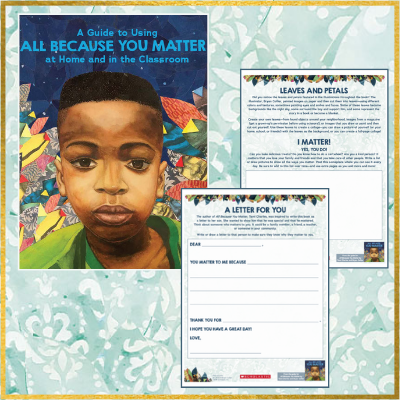
Is a lyrical, heart-lifting love letter to Black and brown children everywhere, reminding them of how much they matter, that they have always mattered, and they always will.
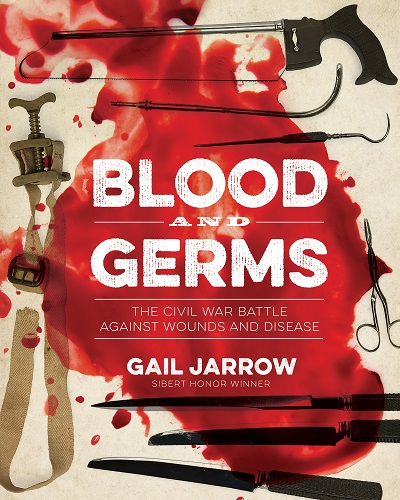
Gail Jarrow explores the science and oftentimes grisly history of U.S. Civil War medicine, using actual medical cases and first-person accounts by soldiers, doctors, and nurses. Jarrow discusses why she wrote this book, and also relates why she feels this history can help young readers better understand our current struggle with COVID-19.
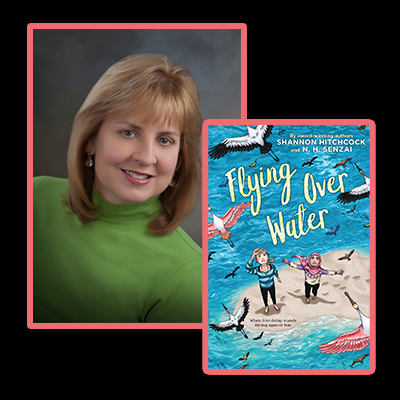
My greatest hope is that kids who read my book develop empathy for people who may not look, sound, or worship the way they do. I hope it causes kids to question the world around them, to research issues they may not understand, and to grow into informed citizens, the kind our country desperately needs.
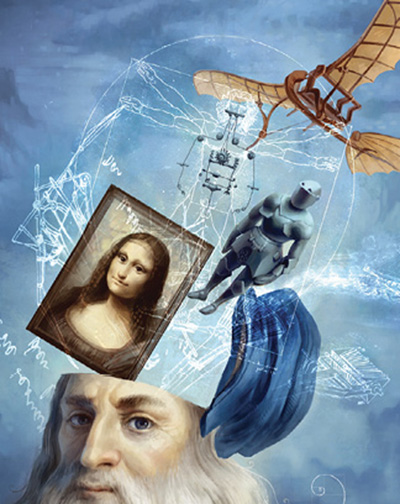
With the world in the grip of a deadly pandemic that has raised more questions than scientists can answer, it is more imperative than ever that young children pursue STEM/STEAM fields. Building children’s confidence to ask questions, make guesses, think creatively, and reach for knowledge in subjects typically regarded as “too hard” is critical.
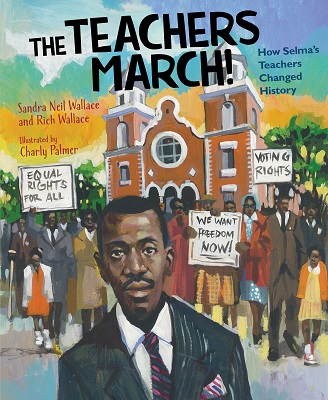
Called "an alarmingly relevant book that mirrors current events” by Kirkus Reviews in a starred review, The Teachers March! How Selma’s Teachers Changed History demonstrates the power of protest and standing up for a just cause, and is an exciting tribute to the educators who participated in the 1965 Selma Teachers' March.
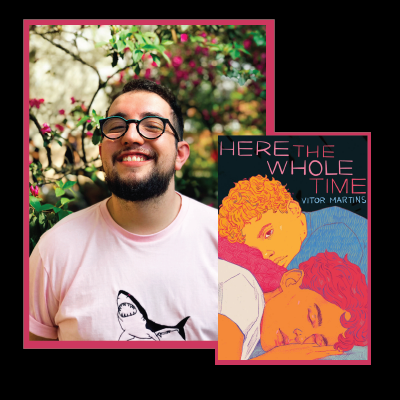
I know I can't go back and tell my 17-year-old self to be nicer to us. I can’t tell him to only try to change the way he looks if it comes from a place of love. I can't change the way I treated myself for years. But I've written a little story that has helped me forgive myself. And, hopefully, it will help other young readers as well.
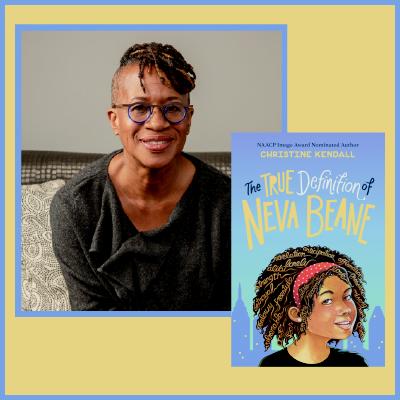
When the school year began I was often the only Black child in my classes and that's where I began to hear the other kind of stories. Sad, bad stories about people who looked like me. I was struck by how feverishly my new teachers and classmates believed in these narratives. It was then that I understood how words and stories could be used to wound.
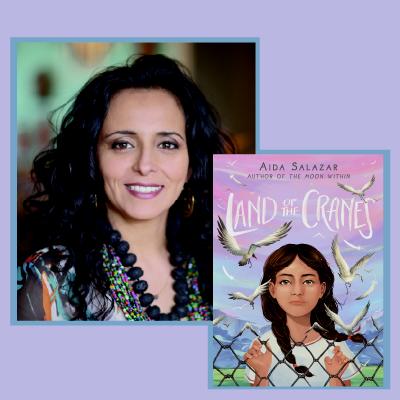
I hope this story will expose Betita’s humanity, because her yearnings for happiness and love are universal, but further still, I hope it teaches children how one child was able to use her voice, her art and poetry, to not only endure but to rise above and change a horrific and harmful circumstance.
ALREADY A SUBSCRIBER? LOG IN
We are currently offering this content for free. Sign up now to activate your personal profile, where you can save articles for future viewing
ALREADY A SUBSCRIBER? LOG IN
Thank you for visiting.
We’ve noticed you are using a private browser. To continue, please log in or create an account.