Reviews+
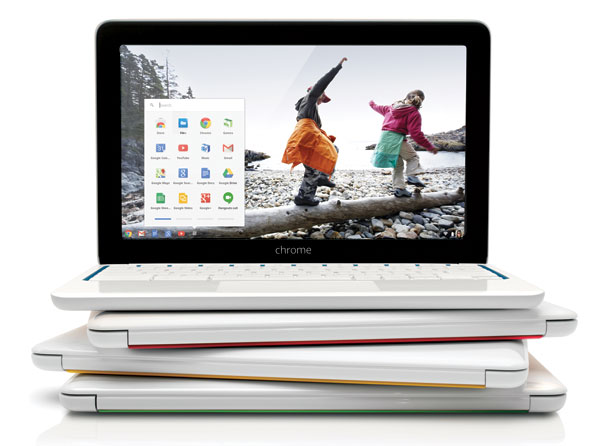
With its clean, kid-friendly design and cheery accent colors, the HP Chromebook 11 could fit nicely into K–12 classrooms and libraries, writes Test Drive reviewer Joelle Alcaidinho.

Join us for a look at some recent geography releases for early elementary to middle school students. The apps offer different approaches to the topic; together they cover both physical and human geography.
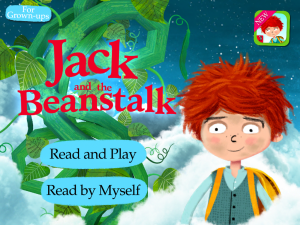
The award-winning British digital developer with a distinct approach to fairy tales has a new app, and it's something to crow about.
This month’s selection of apps take viewers on journeys: following threads of of invention across time, and to Shakespeare’s works, in a presentation designed especially for students.

Once again it's time to raise a few balloons as we celebrate Dr. Seuss's birthday (March 2) with a roundup of his stories and Seuss-inspired titles, released as apps within the past 12 months.

"The EV3 is one of those toys that transcends consumerism and becomes a pathway into new kinds of hands-on production and learning for kids and adults alike," writes Chad Sansing in our review of LEGO's latest version of the popular Mindstorms robotics platform.
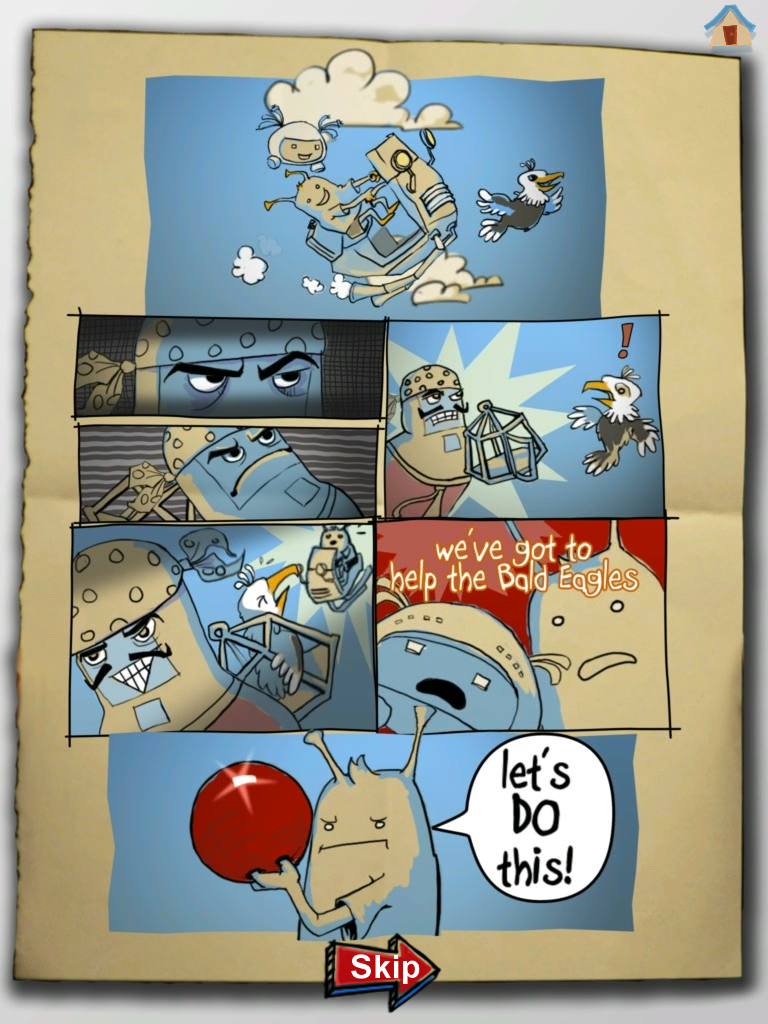
Capturing kids’ interest through games and badges is generally effective, but the trivia game 'Ansel and Clair: American Bowl' makes it clear that careful consideration must be given to both pacing and learning opportunities.

'Axel's Chain Reaction,' an original story app written by Allison Pomenta and illustrated by Mónica Armiño, provides multiple avenues to explore in a classroom, including a nonfiction investigation on kinetic art. It will also serve character education programs.
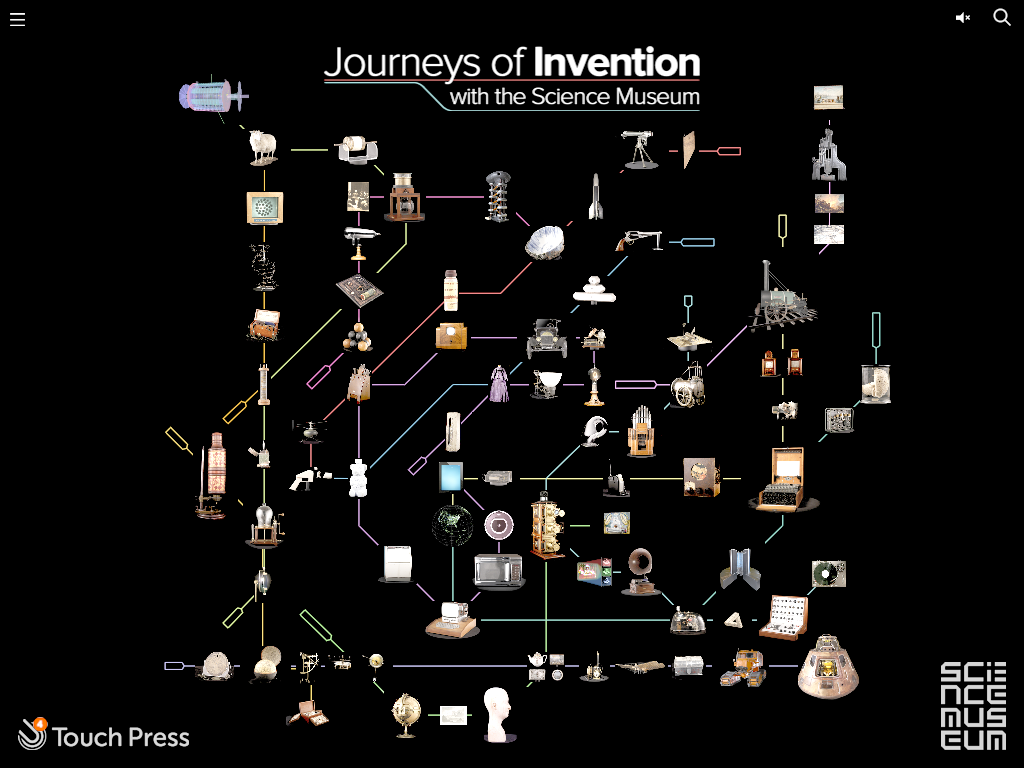
Prepare to get lost in the latest Touch Press app, 'Journeys of Invention,' developed in association with London's Science Museum. Fourteen threads allow viewers to follow the creation of related technologies through time and cultures, and offer them some hands-on experiences with inventions ranging from a 17th-century microscope to a 20th-century encoder.
328 articles
ALREADY A SUBSCRIBER? LOG IN
We are currently offering this content for free. Sign up now to activate your personal profile, where you can save articles for future viewing
ALREADY A SUBSCRIBER? LOG IN
Thank you for visiting.
We’ve noticed you are using a private browser. To continue, please log in or create an account.