Reviews+

Solid additions.Grades 5 & Up
These books explore physical science concepts through topics
including circuits and shadows and applications such as robots and
lanterns. Definitions are followed by activities that demonstrate
or extend the topics. The page layouts are uninspired; most steps
are accompanied by photographs of the setups. Scientific principles
such as fair tests and careful data collection are emphasized
throughout. Reading list. Glos., ind. Review covers these Read and
Experiment titles: Experiments with Electricity and
Experiments with Light.
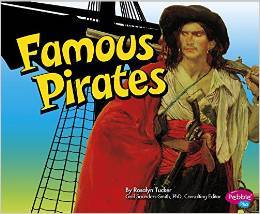
Pirates are a perennially popular topic, but the set's weaknesses make it an additional choice.
Beginning readers will learn vague, cursory pirate facts, such as
"pirate ships looked scary" and "not all treasures have been
found." Each double-page spread includes brief, readable chunks of
text on the left side and an interesting photograph or illustration
on the right. Large trim size and roomy page layouts make this
series a good choice for groups. Reading list. Glos., ind. Review
covers the following Pebble Plus: Pirates Ahoy! titles: Pirate
Ships and Pirate Treasure.

These books won't replace traditional report material, but they introduce kids to the magic of travel and offer them a look at some of the United States's most interesting places.
These graphically pleasing travel guides highlight the top ten
sites to see and things to do in each place. Although the books
read like brochures and may include quickly outdated information,
kids will appreciate the engaging second-person narratives and many
photos. A map and facts are appended. There are twelve other spring
2015 books in this series. Reading list, websites. Glos., ind. This
review covers the following Our Great States titles: What's
Great About Oregon?, What's Great About Arizona?,
What's Great About Washington, DC?, What's Great About
South Dakota?, What's Great About Maine?, and What's
Great About Mississippi?.
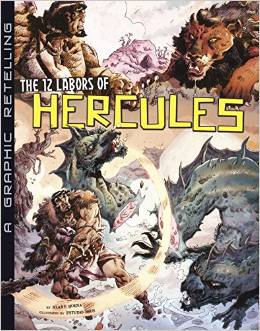
Competent additions.
Three ancient myths are retold with energetic American comic
bookstyle art that fits the stories' superhuman action. However,
Haus's mix of panels with (and often atop) full-page illustrations
hinders the books' visual flow. A limited page count makes
Trojan War feel rushed, whereas Hercules and
Perseus fit somewhat better within the constraints. "Ancient
Fact" boxes supplement the narratives. Reading list. Glos., ind.
Review covers the following Graphic Library: Ancient Myths titles:
The Trojan War, The 12 Labors of Hercules, and The
Adventures of Perseus.

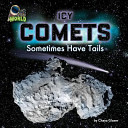
Useful selections for emergent readers and budding space enthusiasts.
Limited facts about objects in the solar system are presented in
simple sentences for beginning readers. The two-page illustrations
feature images of the planets, the sun, and occasionally spacecraft
on eye-catching starry black backgrounds. A chart comparing the
featured body to Earth's temperature, atmosphere, and other
conditions concludes each book. There are eight other spring 2015
books in this series. Reading list. Glos., ind. Review covers the
following Out of this World titles: Icy Comets,
Pluto, The Sun, and Venus.

2,322 articles
ALREADY A SUBSCRIBER? LOG IN
We are currently offering this content for free. Sign up now to activate your personal profile, where you can save articles for future viewing
ALREADY A SUBSCRIBER? LOG IN
Thank you for visiting.
We’ve noticed you are using a private browser. To continue, please log in or create an account.