Reviews+
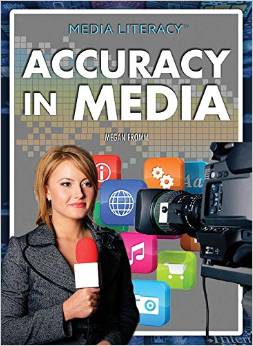

Overly general, these books won't connect with readers.
Two-page chapters introduce graphic novels to those unfamiliar with
the text type, briefly discuss their relationship to comic books,
and highlight various styles (e.g., ligne claire, comic
bookstyle, manga). "Write your own" boxes provide useful craft
tips, and images from graphic novels provide meaningful examples
throughout. Graphic novelwriting activities are appended. Reading
list. Glos., ind.
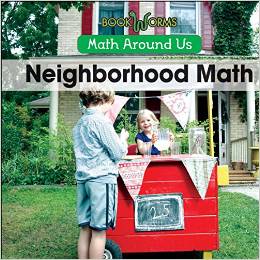
Though these titles fail to rise above the crowd of materials on these topics, sports-minded browsers will find them engaging.
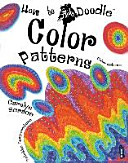
Good inspiration for confident artists and the less artistically inclined.
"Art doodle" refers to tightly spaced, ornate patterns made with
pens and color media (paint, markers, etc.) that add texture and
depth to art projects. Each volume introduces a few projects and
techniques (e.g., printing, collage) for young creators. Some
volumes are basic (Color Patterns); some more difficult
(Portraits); none are for beginners as the directions and
examples are too general. Glos., ind. Review covers the following
How to Art Doodle titles: Color Patterns, Fabulous
Things, Optical Illusions, Portraits &
Animals, Printing & Other Amazing Techniques, and
Simple Pattern Building Techniques.

Suitable choices; purchase as needed.
Eight endangered species and nine unusual animals are briefly
profiled in these overviews. Each two-page chapter provides a
limited introduction to a creature and is supported by beginning
scientific vocabulary (defined on the page), a large close-up
photo, and a fact box. Budding naturalists will enjoy browsing but
will need to look elsewhere for depth. Common Corerelated
questions and range maps are appended. Reading list. Glos., ind.
Review covers these First Facts: All About Animals titles: The
Most Endangered Animals in the World and The Strangest
Animals in the World.
All six titles are suitable resources, but Praying Mantises, King Cobras, and Bullfrogs have the strongest relation to the set theme.

Strong options for introducing the concept of primary source analysis.
Clear double-page spreads feature a variety of visual elements
including charts, graphs, and maps; reproduced photographs and
documents; and sidebars with critical-thinking questions. The
series purports to promote the importance of primary source
material, though the direct quotes in red font are injected rather
unnaturally into the narratives. Still, these are adequate starting
points for American history research. Bib., glos., ind. Review
covers these Fact Finders: Primary Source History titles: A
Primary Source History of U.S. Independence and A Primary
Source History of Slavery in the United States.
2,322 articles
ALREADY A SUBSCRIBER? LOG IN
We are currently offering this content for free. Sign up now to activate your personal profile, where you can save articles for future viewing
ALREADY A SUBSCRIBER? LOG IN
Thank you for visiting.
We’ve noticed you are using a private browser. To continue, please log in or create an account.