Reviews+
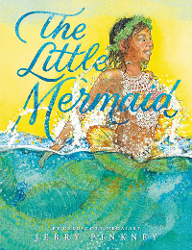
Award-winning Jerry Pinkney retraces the siren call of Hans Christian Andersen's classic tale and how he finally met the challenge of retelling it in his inimitable way.
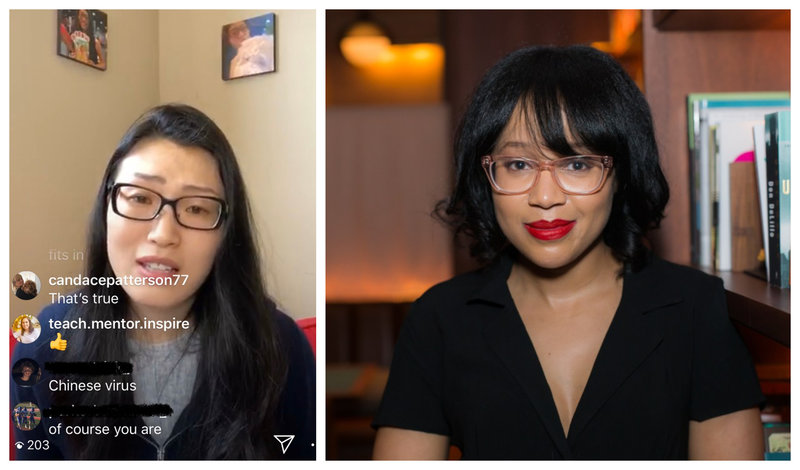
Authors, including Kelly Yang and Dhonielle Clayton, have become victims of racist comments on Zoom, Instagram, and other digital platforms used to connect educators, students, and creators during this unprecedented time.
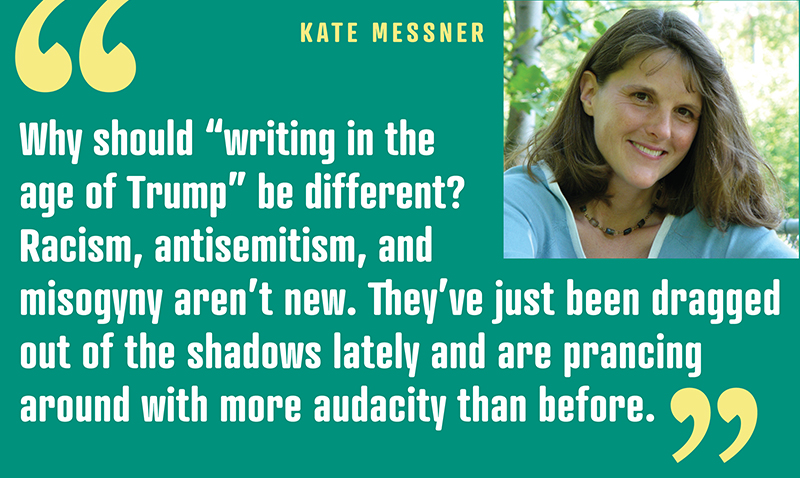
Author Kate Messner argues that "shining a light on science, on history, on injustice, and representation is work we all should have been doing all along. And it’s work that will need to continue long after someone else is leading the nation."

In Sing a Rhythm, Dance a Blues: Education for the Liberation of Black and Brown Girls, Monique W. Morris centers the experience of these marginalized girls and highlights the actions of some educators and community members around the country who are making a positive difference in the students' lives.
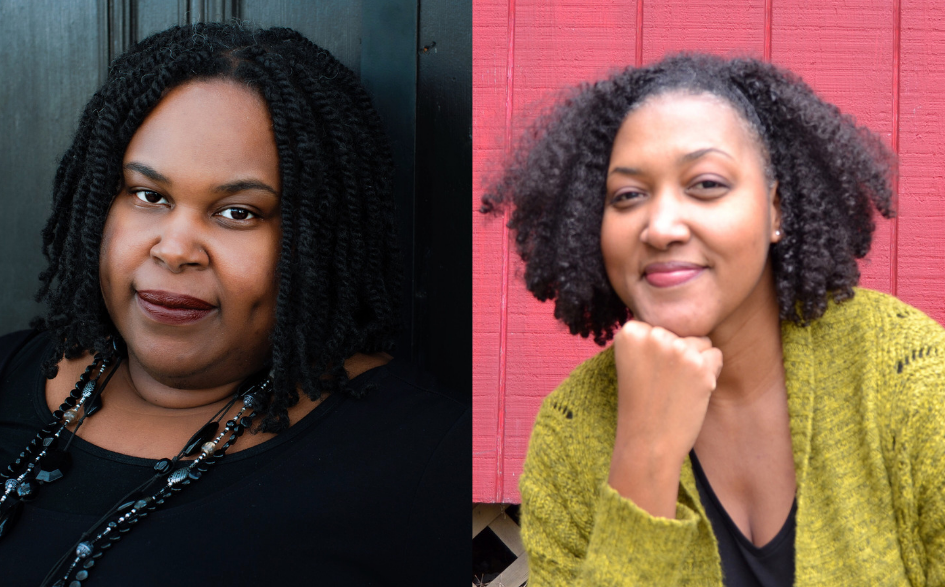
Longtime collaborators Renée Watson and Shadra Strickland discuss the creative process behind the cover of Watson's stunning upcoming middle grade novel, Some Places More Than Others.
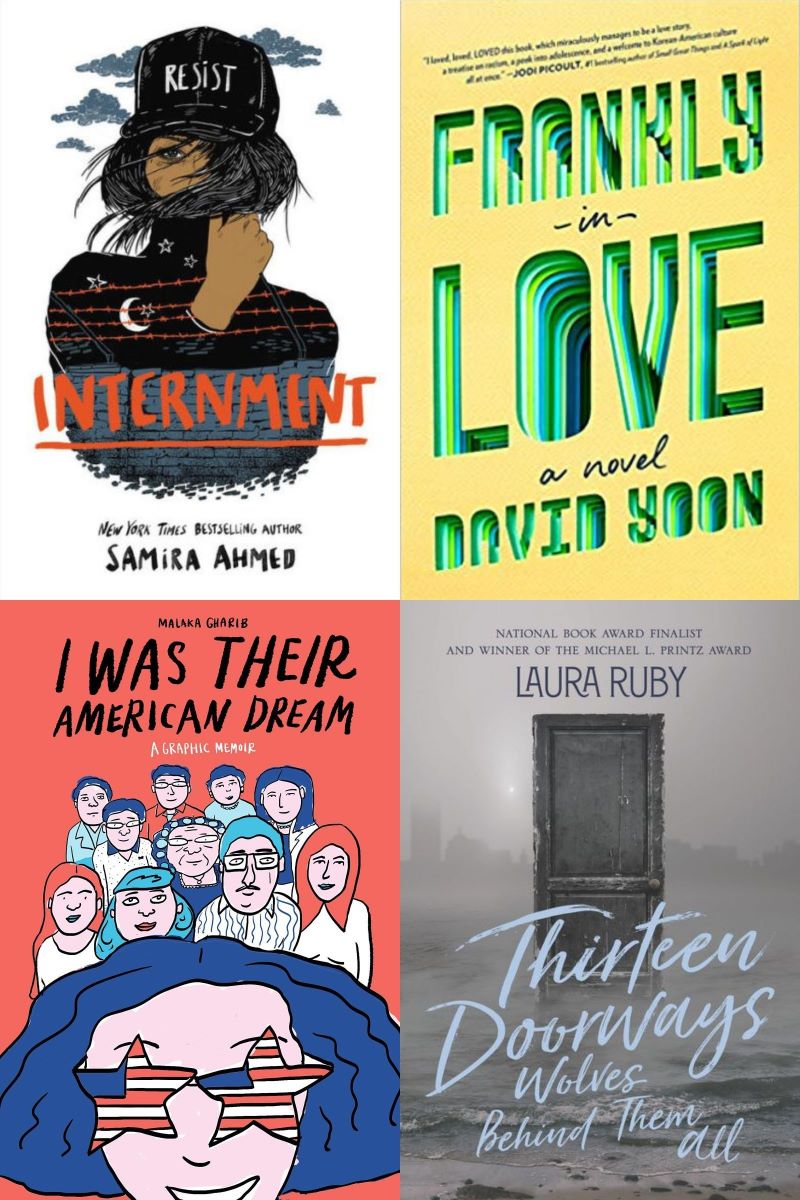
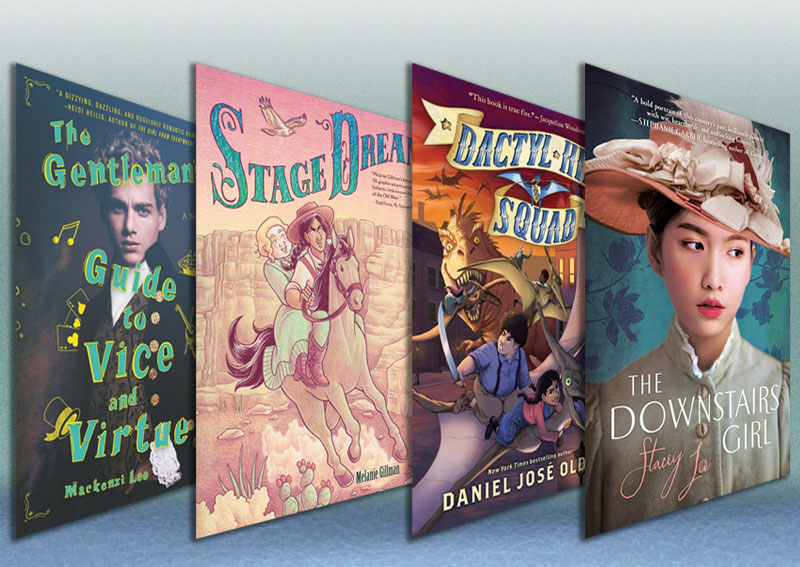
Contrary to what most historical novels depict, people from marginalized groups have existed throughout the ages, and their stories were not solely ones of hardship. These authors—Daniel José Older, Stacey Lee, Mackenzi Lee, Melanie Gillman—are correcting that representation in historical fiction.
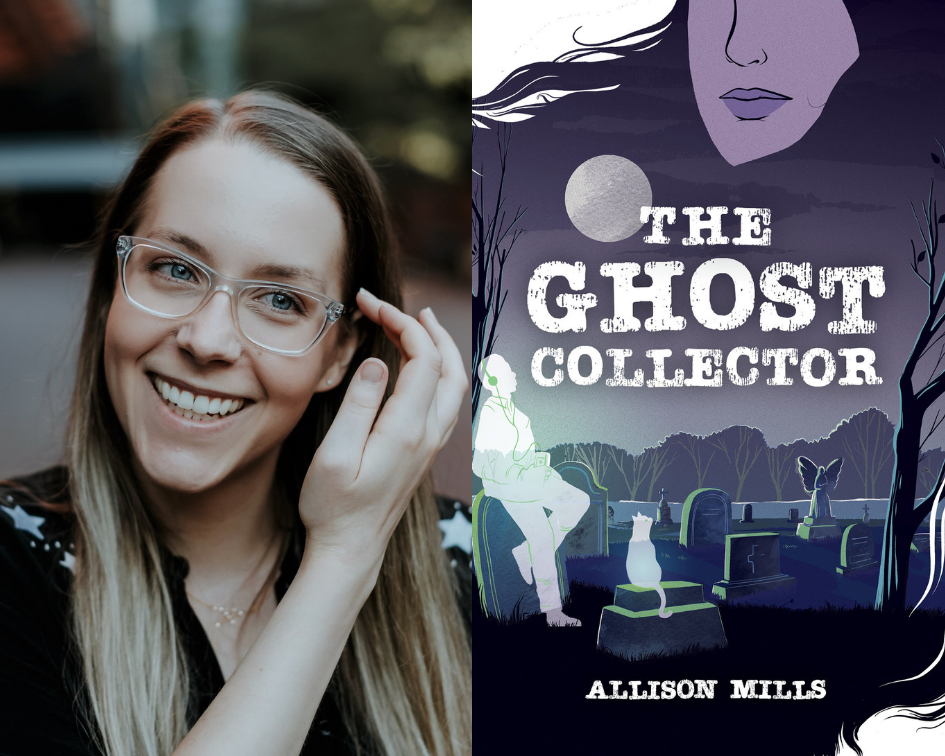
Debut author Mills discusses the inspiration behind her poignant middle grade novel, Indigenous representation in kid lit, and creating "stories about Cree kids living in a contemporary world that’s still touched by magic."
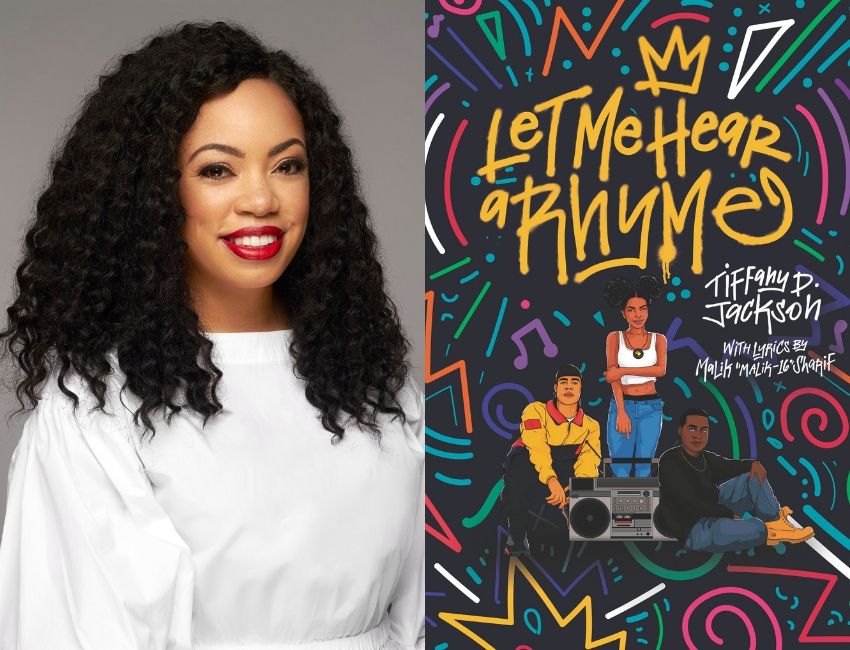
Award-winning writer, hip-hop professor, and author of The Roots of Rap, Carole Boston Weatherford talks to Tiffany D. Jackson about Jackson’s new book Let Me Hear a Rhyme, a love letter to 1990s Brooklyn and the hip-hop generation.
ALREADY A SUBSCRIBER? LOG IN
We are currently offering this content for free. Sign up now to activate your personal profile, where you can save articles for future viewing
ALREADY A SUBSCRIBER? LOG IN
Thank you for visiting.
We’ve noticed you are using a private browser. To continue, please log in or create an account.