Research

So many books, so little time. It’s hard to sell something to readers which you haven’t had time to read yet, so SLJTeen is introducing JLG’s Booktalks to Go Teen. This monthly column will provide you with ready to use booktalks on new releases for your teen readers.
The Young Adult Services Association (YALSA) is finalizing results of a yearlong project identifying ways that libraries can adapt to better meet the needs of 21st century teens. Yet the report is “a beginning, not an ending” of YALSA’s efforts, which will expand to include more advocacy, outreach, and funding this year, says Beth Yoke, YALSA’s executive director.

Reading a novel appears to produce quantifiable changes in brain activity, according to an Emory University study published this month in the journal Brain Connectivity.
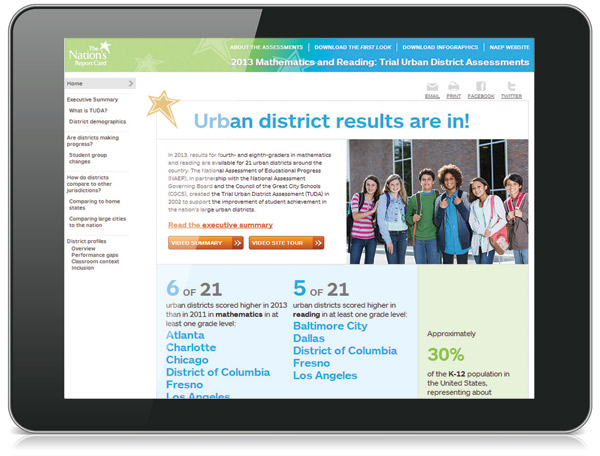
Fourth- and eighth-grade students in Los Angeles, the District of Columbia, and Baltimore show strong reading achievement during the past two years, while students in Houston, Cleveland, and Austin are still struggling, according to findings from the National Center for Education Statistics.
Last week, I briefly mentioned We Were Liars by E. Lockhart (Delacorte Press, 2014). And in drafting and thinking about the actual review, I realized I needed your input. Not just about We Were Liars; but, well, about reviews in general. When, ideally, do you like to read a review? Do you want to read [...]
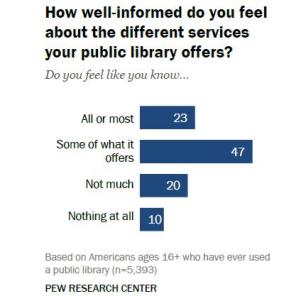
Fifty-four percent of Americans have used the public library at least once during the past year and 70 percent of parents have taken their child to a public library or bookmobile during the past year, according to a Pew Research Center report. The nationally representative survey of 6,224 Americans indicated that the overwhelming majority continue to have a positive view of libraries, but many are unaware of all of the services and resources that their libraries offer.
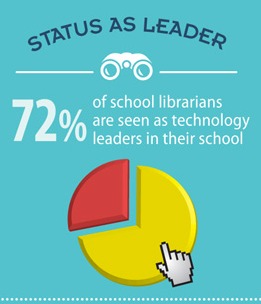
Librarians are leading the way in technology use, according to School Library Journal's annual technology survey. SLJ’s got the proof, and we encourage you to share it.

Teens in the U.S. scored about average in reading and science and below average in mathematics when compared to their counterparts around the world on the most recent Programme for International Student Assessment (PISA), with little change seen from previous scores. This reported gap has sparked debate among U.S. education experts on how to interprete the data and on the PISA’s relevance.
As education technology has evolved, so, too, have the kinds of digital tools that school librarians use with their students. More than 750 school librarians responded to SLJ’s survey, representing K–12 public and private schools across the country. According to the data, they make the most of what they have, learning one day and sharing that knowledge the next.
261 articles
ALREADY A SUBSCRIBER? LOG IN
We are currently offering this content for free. Sign up now to activate your personal profile, where you can save articles for future viewing
ALREADY A SUBSCRIBER? LOG IN
Thank you for visiting.
We’ve noticed you are using a private browser. To continue, please log in or create an account.