Research
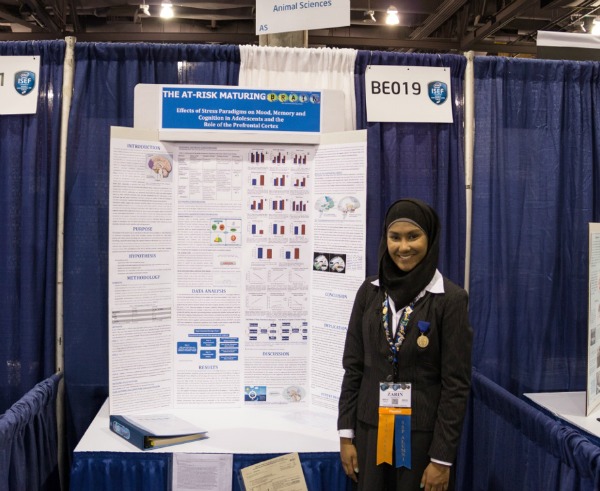
Seventeen-year old Zarin Rahman suspected that the time she spent staring at screens was affecting her mood and school work. So the 12th grader at Brookings (SD) High School decided to conduct her own study.

Why should we study primary source documents? These are artifacts created by the people who lived through the events and time periods under study. Providing students the opportunity to study primary sources can give rise to student inquiry and encourage them to speculate about each source, its creator, and the context in which it was produced. The Library of Congress has millions of primary source documents and tools for teachers and students to dig into, 24/7.
Follett has announced that many of its online services—including Titlewave, Destiny, and Follett Shelf—will be unavailable from Thursday, November 28, though Saturday, November 30, as the company moves its data center to another location in Illinois.

Investigative journalist Amanda Ripley, author of The Smartest Kids in the World, shares highlights of her research into the world’s top performing educational systems—Finland, Korea, and Poland—and what the US can do to replicate that success. The Common Core is a great place to start, she says, but for real improvement, administrators, educators, parents, and students need to agree that education matters.
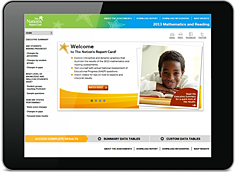
American students’ skill levels in mathematics and reading have risen marginally since 2011, according to the National Center for Education Statistics . However, The Nation’s Report Card: 2013 Mathematics and Reading shows challenges to student success remain. Gains in reading have not quite kept pace with those in math, and achievement gaps are still evident between racial/ethnic groups and among states.
The American Association of School Librarians (AASL) is launching two national surveys—one for school librarians, one for stakeholders—in order to examine ways that the two groups view the profession and to, ultimately, “provide a refreshing and inspiring image” of school librarians and school library programs.

"Librarians are ideally positioned to become cultivators of students' interests," according to Annie Murphy Paul. A journalist and author, Murphy Paul sheds light on the latest cognitive research on this critical component to reading and learning in SLJ's November 2013 cover story.

Through Friday, November 1, the Young Adult Services Association (YALSA) is seeking public comments on the draft report from its National Forum on Libraries and Teens project. The report aims to identify the ways in which libraries can adapt and change to meet the needs of 21st century teens.

The 2013 Australian School Library Survey, conducted by Softlink on behalf of Australia's school library associations, has again revealed a positive relationship between a school’s literacy results and its library’s resourcing levels, the company announced today.
261 articles
ALREADY A SUBSCRIBER? LOG IN
We are currently offering this content for free. Sign up now to activate your personal profile, where you can save articles for future viewing
ALREADY A SUBSCRIBER? LOG IN
Thank you for visiting.
We’ve noticed you are using a private browser. To continue, please log in or create an account.