Research

The “Kids & Family Reading Report, 5th Edition” survey from Scholastic launched on January 8 with findings, including what kids are reading for fun, the makings of a frequent reader, and what kids want to read.
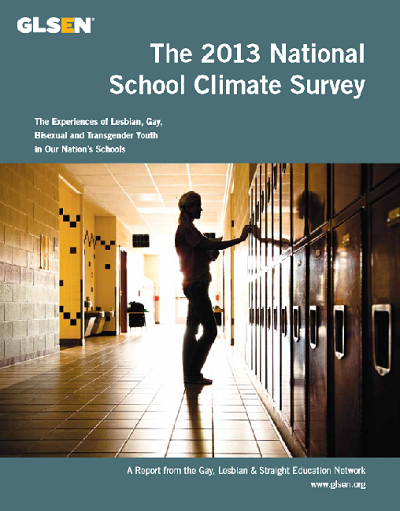
A recent report released by the Gay, Lesbian, and Straight Education Network found that hostile school environments have adverse academic and social effects on LGBTQ youth.

Graphic novels and video games have become integral to library collections, and both media can have a large impact on circulation, according to a University of South Florida study. Moreover, readership stats "bolster the concept of graphic novels as a gateway to adult literacy."

Why should we study primary source documents? These are artifacts created by the people who lived through the events and time periods under study. Providing students the opportunity to study primary sources can give rise to student inquiry and encourage them to speculate about each source, its creator, and the context in which it was produced. The Library of Congress has millions of primary source documents and tools for teachers and students to dig into, 24/7.
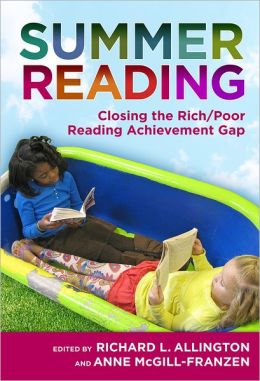
The significant decline in reading skills many students experience over the summer is no secret, but it’s particularly damaging for children in low-income neighborhoods. 'Summer Reading: Closing the Rich/Poor Reading Achievement Gap,' edited by Richard L. Allington and Anne McGill-Franzen, offers an in-depth look at this disparity and offers solutions that go beyond recommended reading lists.
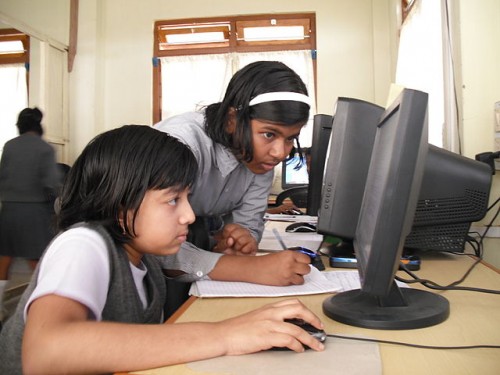
The task for educators is not to drain this sense of open-ended exploration from student-fans but rather to make sure that it is accompanied by the Jiminy Cricket-like voice of critical literacy...
33 articles
ALREADY A SUBSCRIBER? LOG IN
We are currently offering this content for free. Sign up now to activate your personal profile, where you can save articles for future viewing
ALREADY A SUBSCRIBER? LOG IN
Thank you for visiting.
We’ve noticed you are using a private browser. To continue, please log in or create an account.