Related
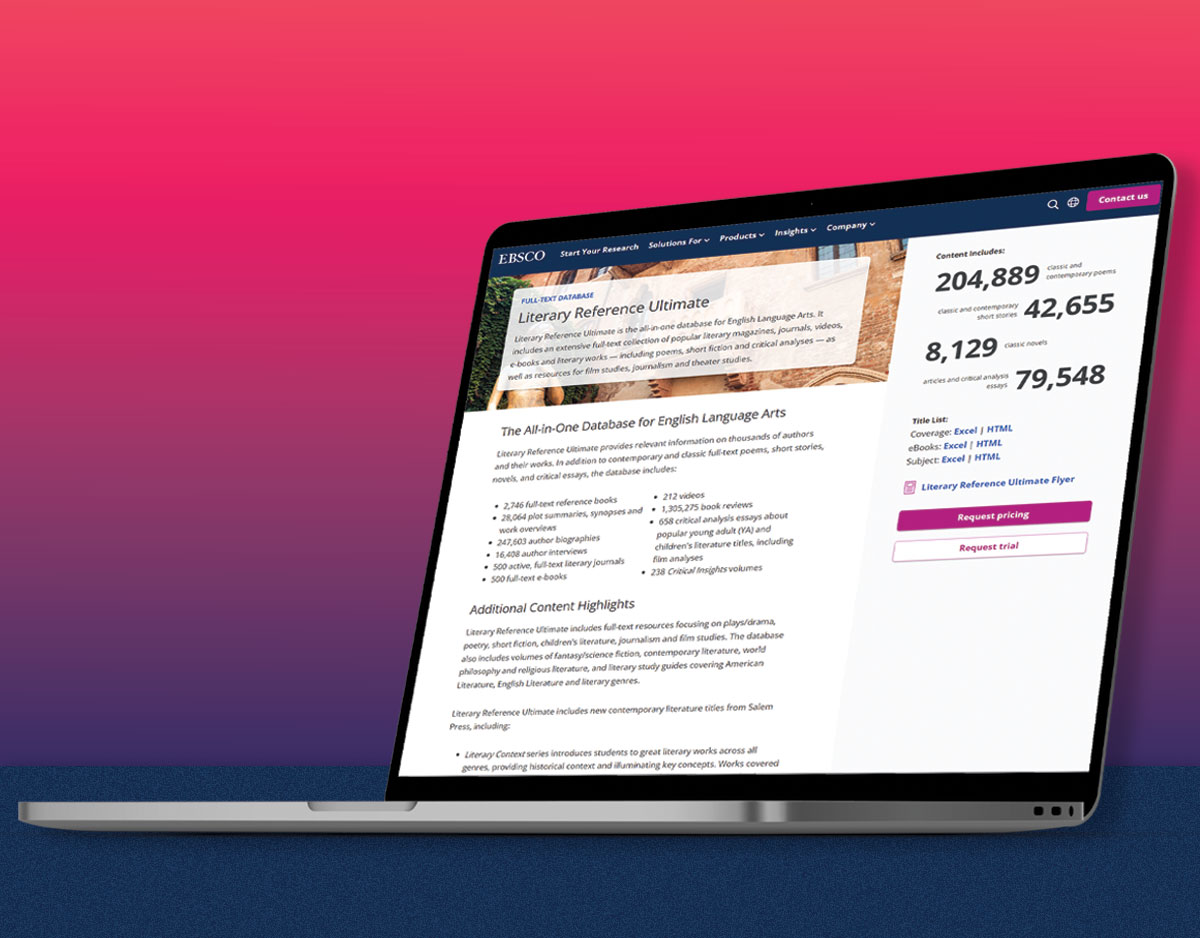
EBSCO’s Literary Reference Ultimate is a robust, all-in-one digital resource tailored for students, teachers, and librarians exploring literature across cultures, time periods, and genres.

Designed as a personal data assistant for K–12 librarians, Destiny AI aims to help automate routine tasks, streamline data organization, retrieve quick insights into a library’s collection, reduce workloads, and boost productivity.
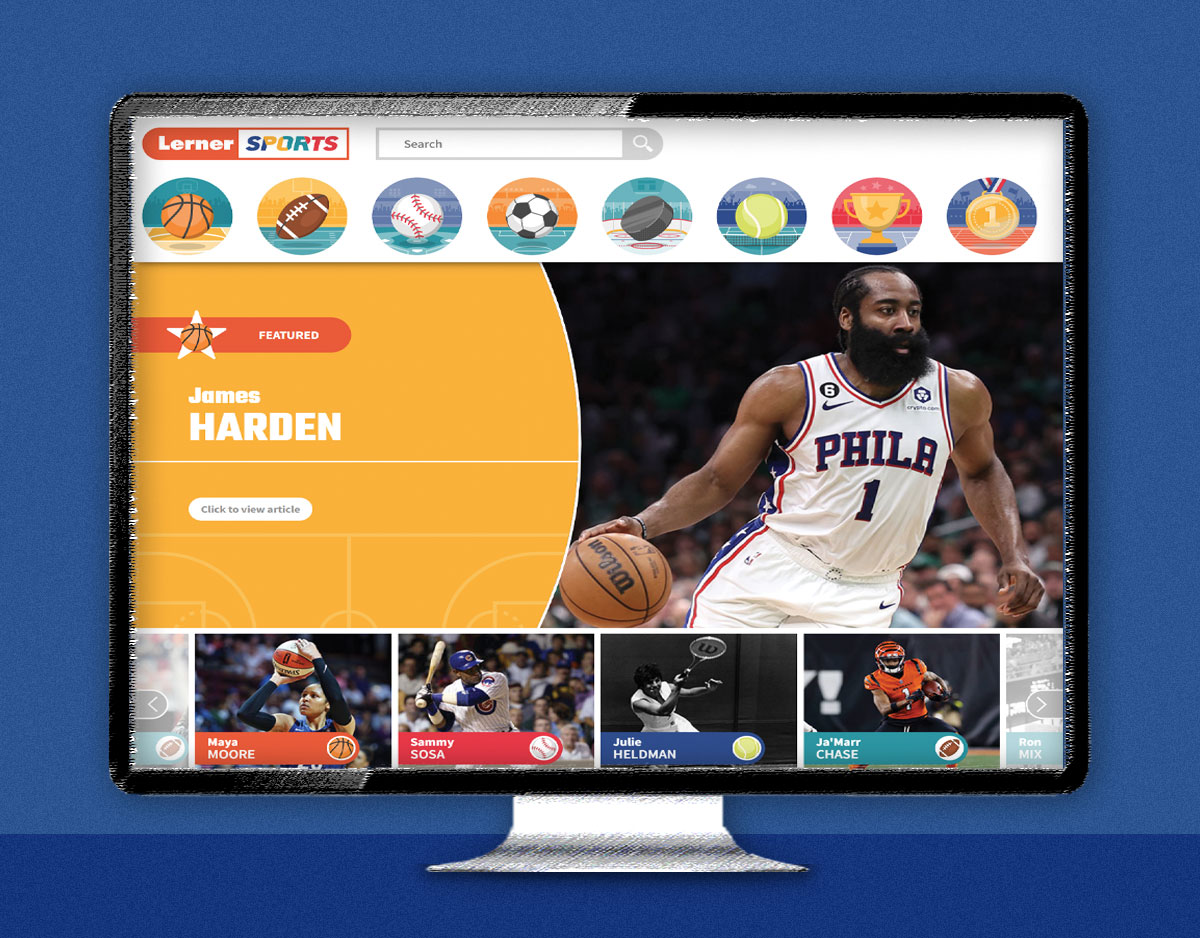
This digital resource for young researchers presents articles on athletes, sports history, and coverage of categories not always classified with mainstream sports, such as mixed martial arts, professional wrestling, and skateboarding.
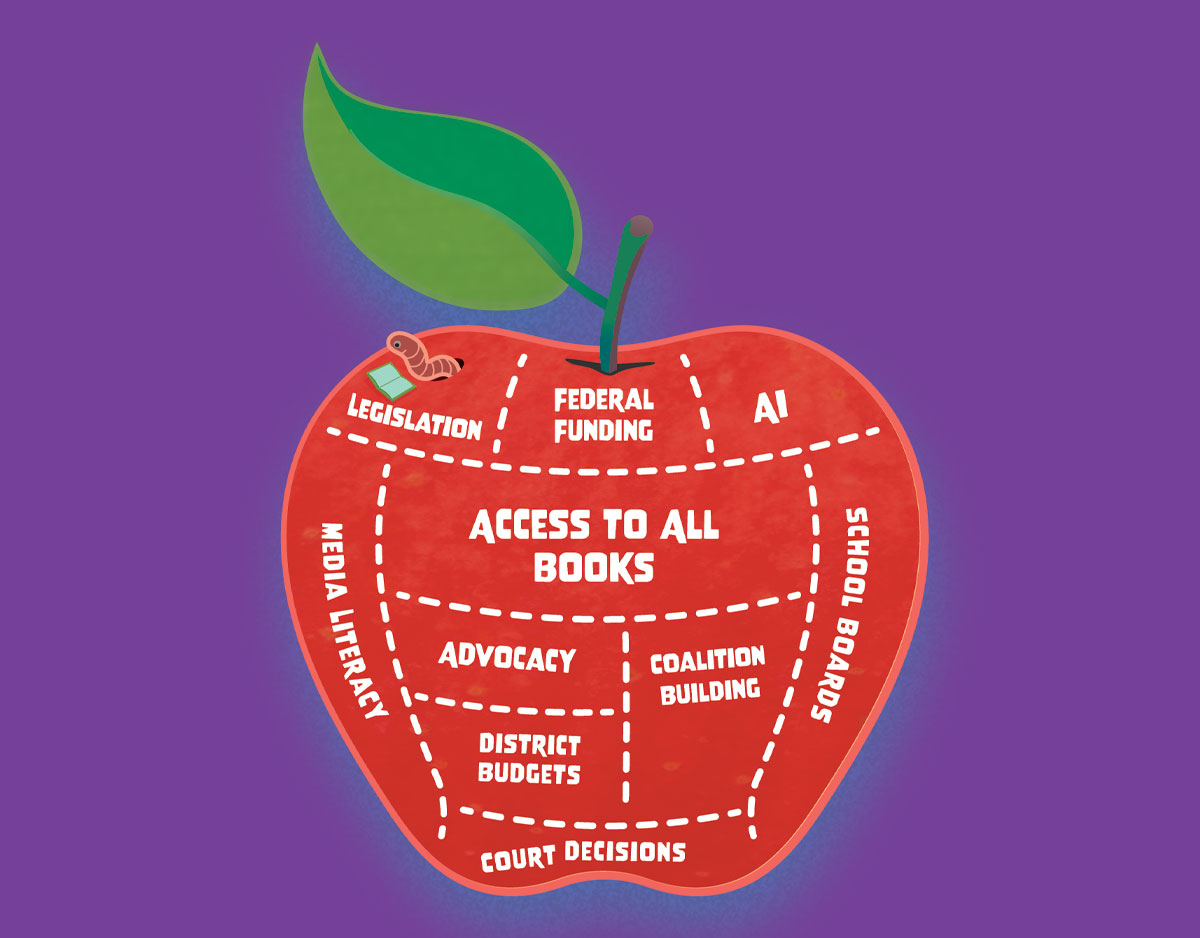
Censorship, AI, and federal funding top the list of concerns for school librarians heading into the 2025-26 school year.

QuizHub is a digital quiz platform that provides rapid reinforcement of core subjects for elementary students with a variety of quick, matching-style quizzes.
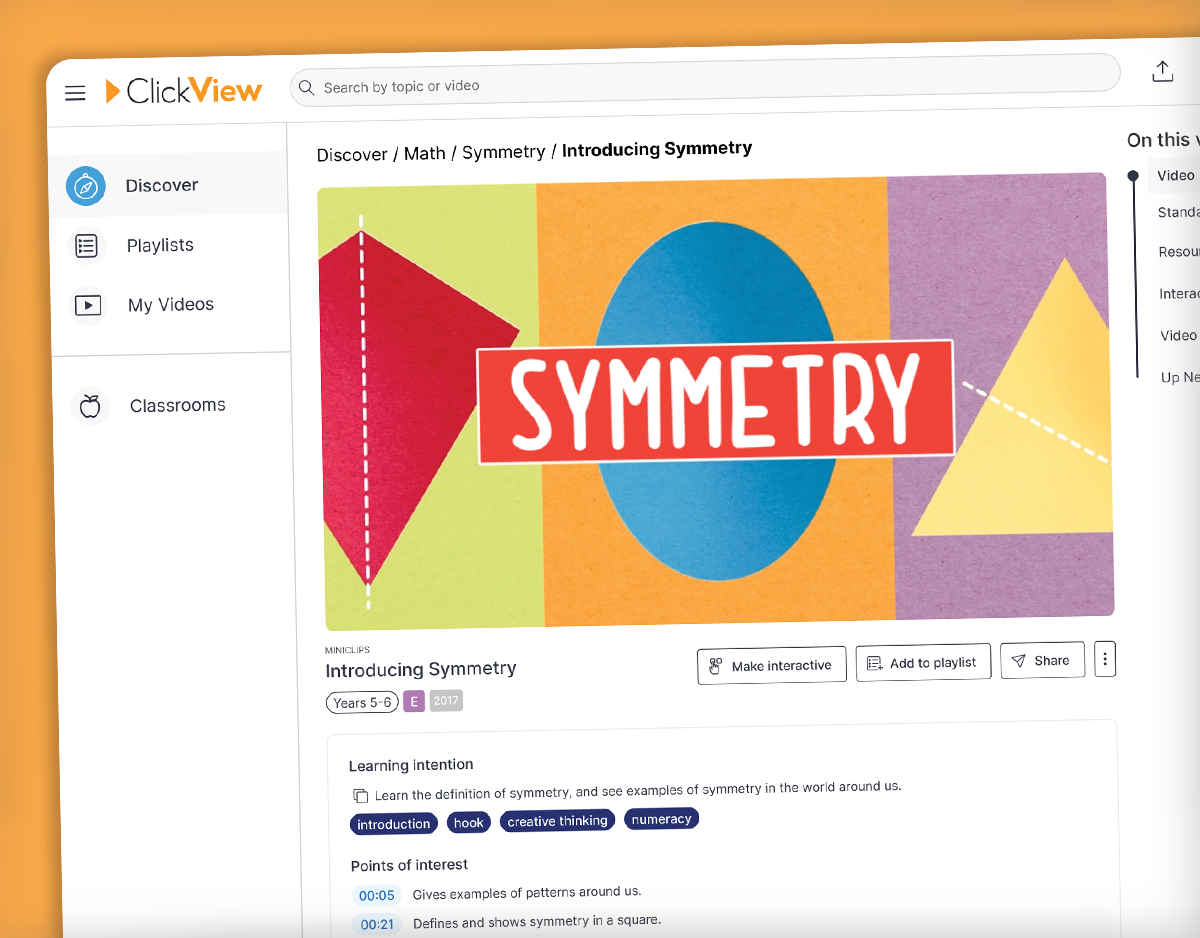
ClickView’s roughly 12,000 videos and movies, ranging from under a minute to full-length documentaries, are curated by a team of educators, searchable via keyword, and can be filtered by grade level, rating, production year, and length.
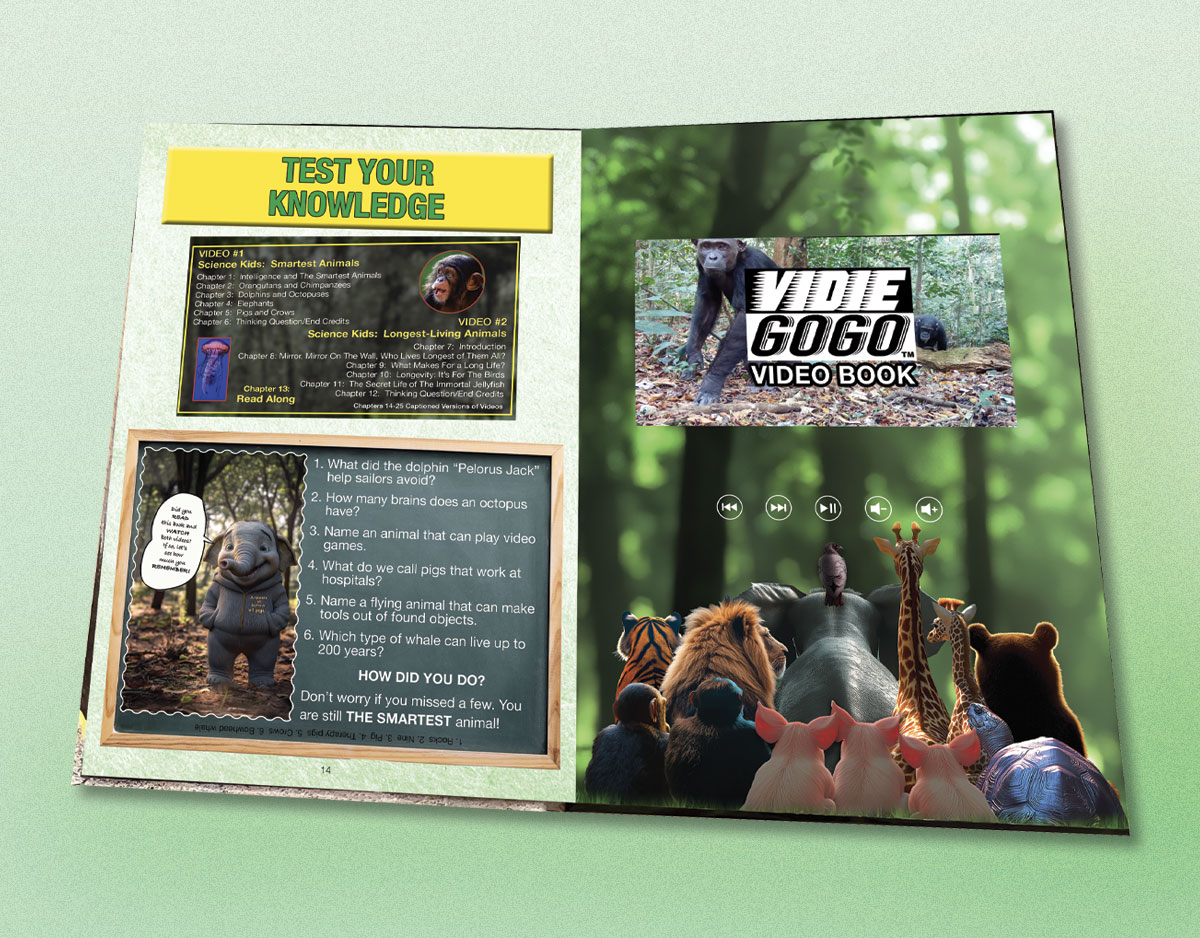
As DVD players disappear from classrooms and homes, viewing opportunities for educational videos become more challenging when considering individual interests and reading time. Stepping in to fill the gap is VidieGoGo, a booklike device with an embedded screen.
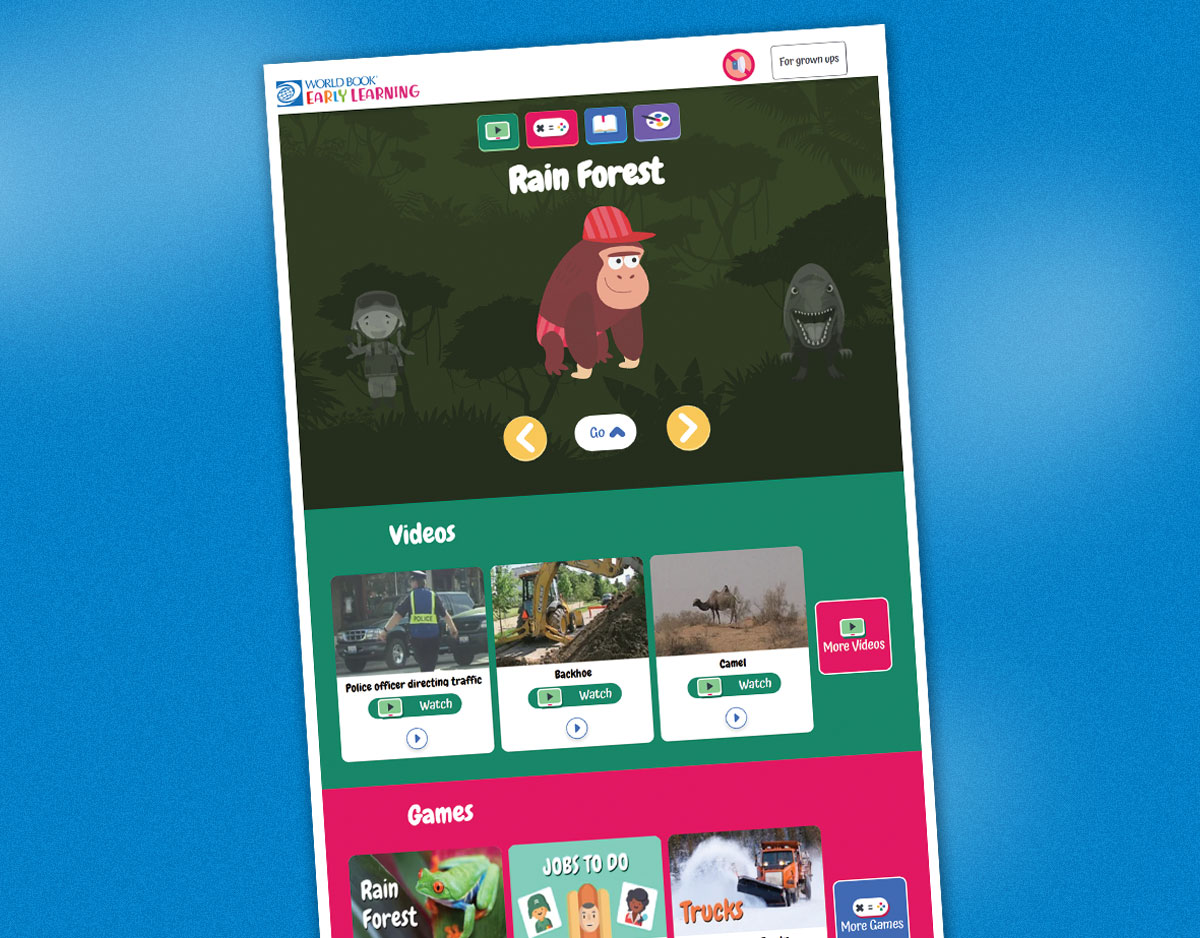
This digital tool offers the youngest learners a range of content covering various high-interest topics in an ad-free portal. Children can safely explore the resources that cover popular early learning topics, such as animals, vehicles and transportation, and concepts like letters and numbers.
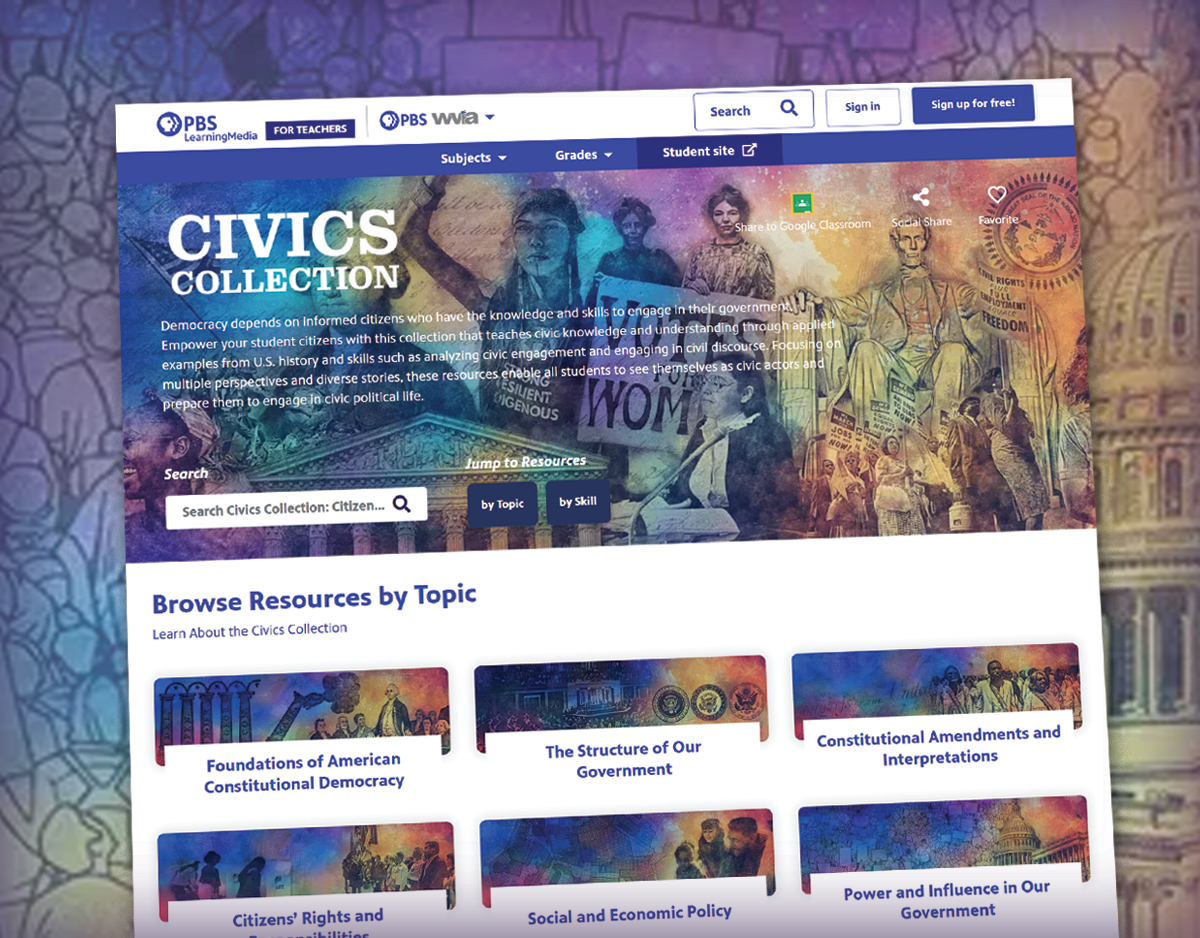
This database draws on primarily PBS-produced content and provides approximately 180 resources, primarily video clips, to educate students about their civic rights and duties, how the U.S. government works, misinformation and misuse of powers, and more.
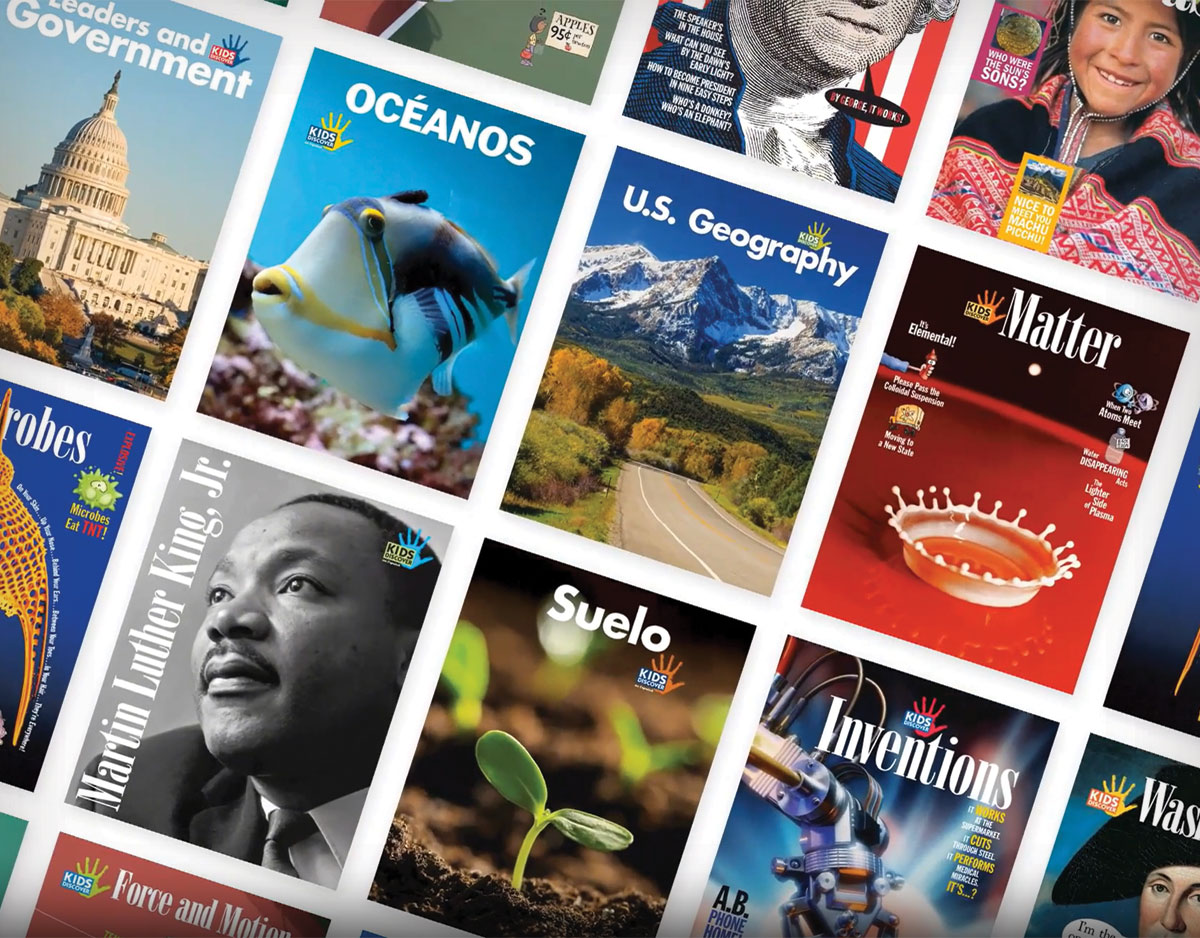
The Kids Discover Online database invites students to an educational environment where they can read, play, and follow their natural curiosity. Here's our review.
LOTE4Kids is an online resource designed to strengthen language learning by providing access to digital children’s books in over 75 languages, including Spanish, Mandarin, Vietnamese, and Arabic.
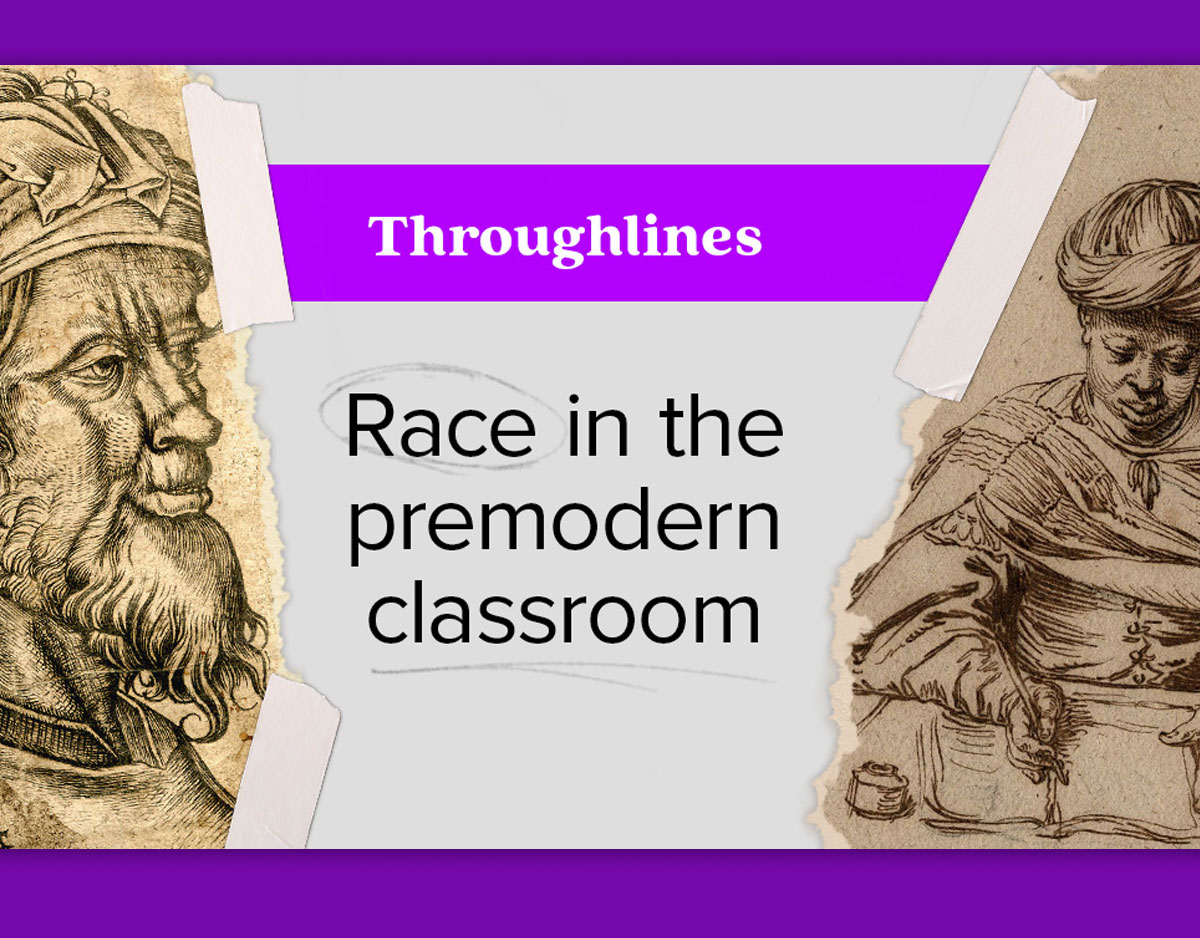
Throughlines is a free digital resource designed to foreground earlier concepts of race and racial development for high school and university students.
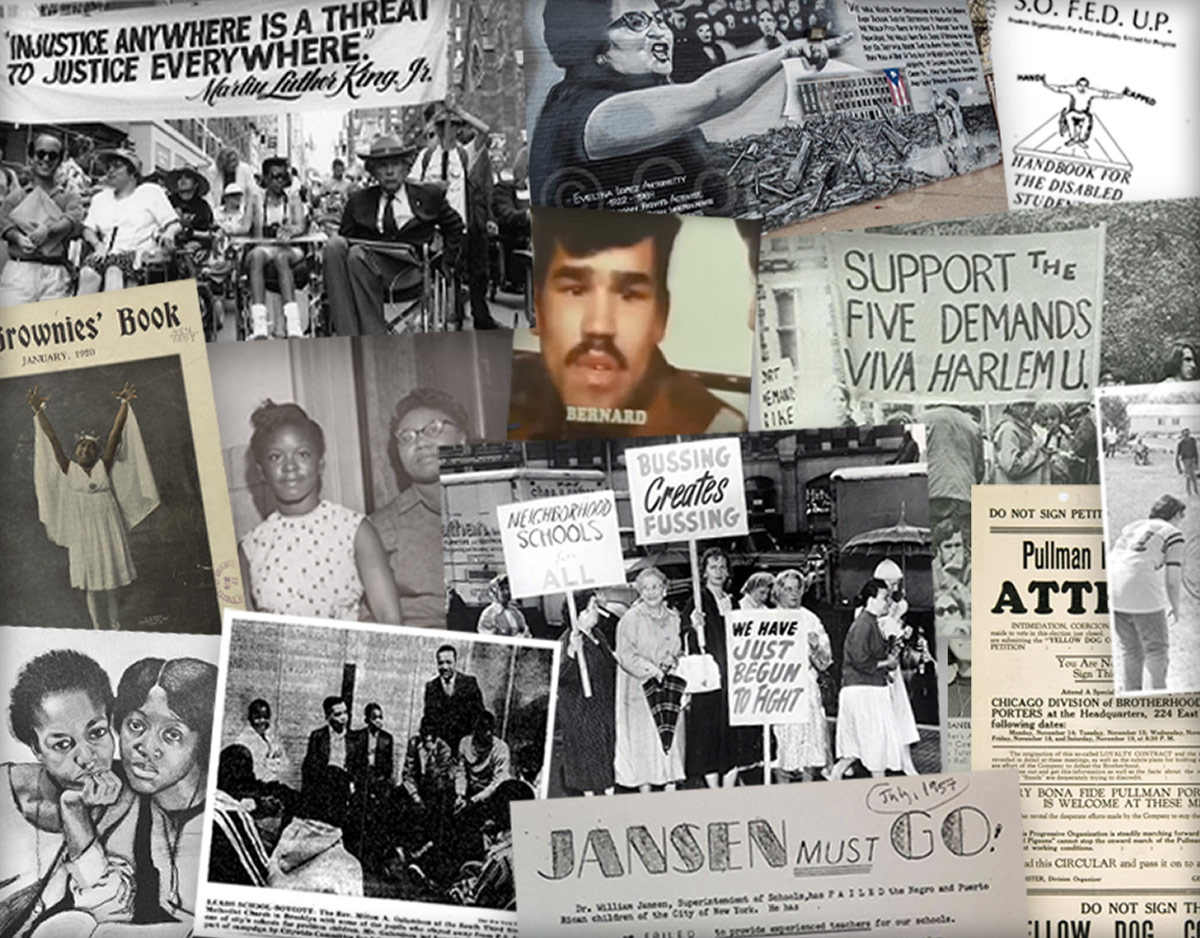
A thoughtfully curated digital resource, rich with fully vetted and accessible materials, aims to uncover how Black and Latinx women and disabled New Yorkers were central to the fight for educational justice.
From Quick, Draw! and DALL·E to Stretch AI, these tools provide fodder for idea generating, problem solving, and more.
A step-by-step guide to using generative AI for book summaries and recommendations.

The American Association of School Librarians released its annual list of Best Digital Tools for Teaching & Learning; Follett will begin online book fairs; the National Women's History Museum is looking for proposals for its annual For Educators, By Educators resource development; and more in News Bites.
Suggestions for teaching strategies, prompt-writing skills, and tools, plus an overview of those ethical questions.
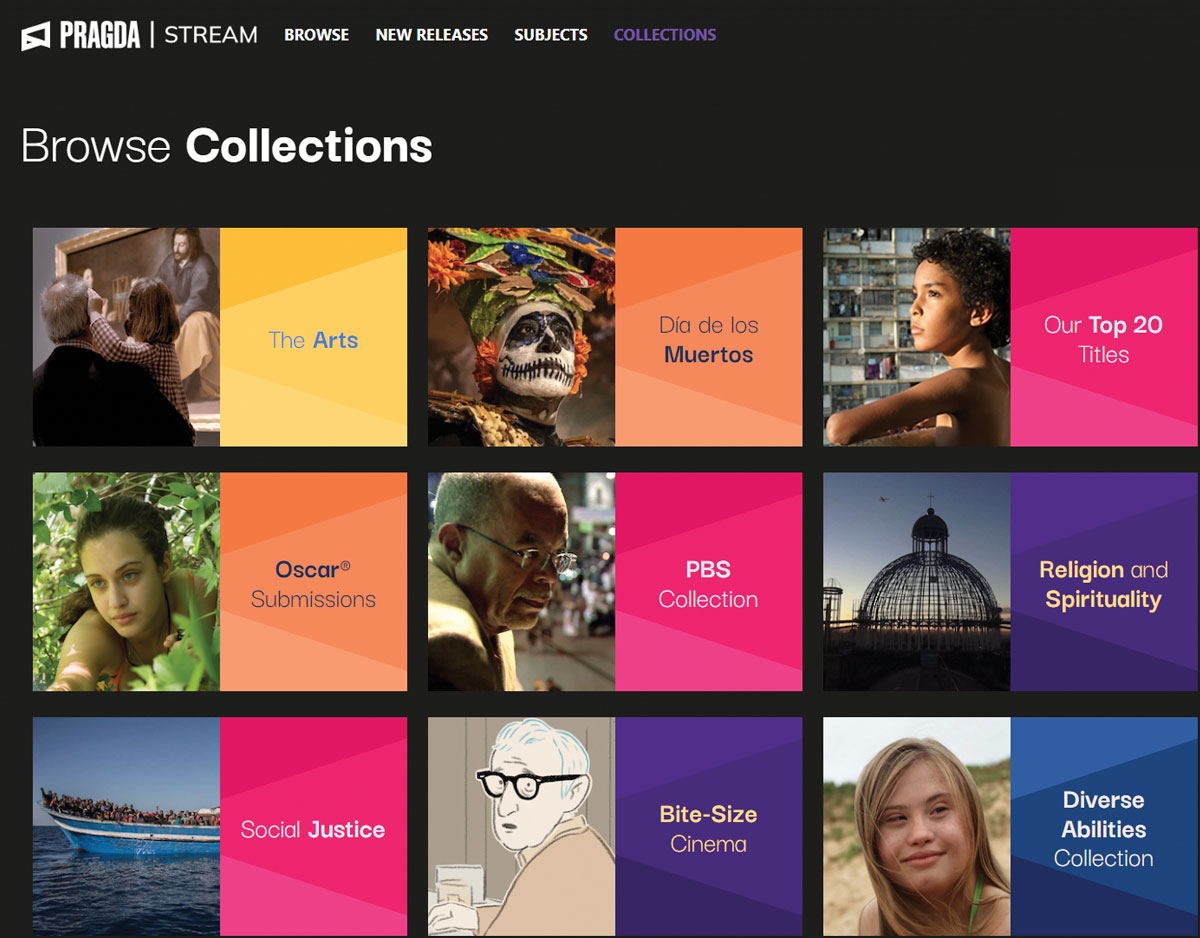
Pragda Stream is an educational streaming platform with a fresh offering of Latin American films, documentaries, and series to a U.S. audience. See what our reviewer had to say about its curated list for middle and high schoolers.
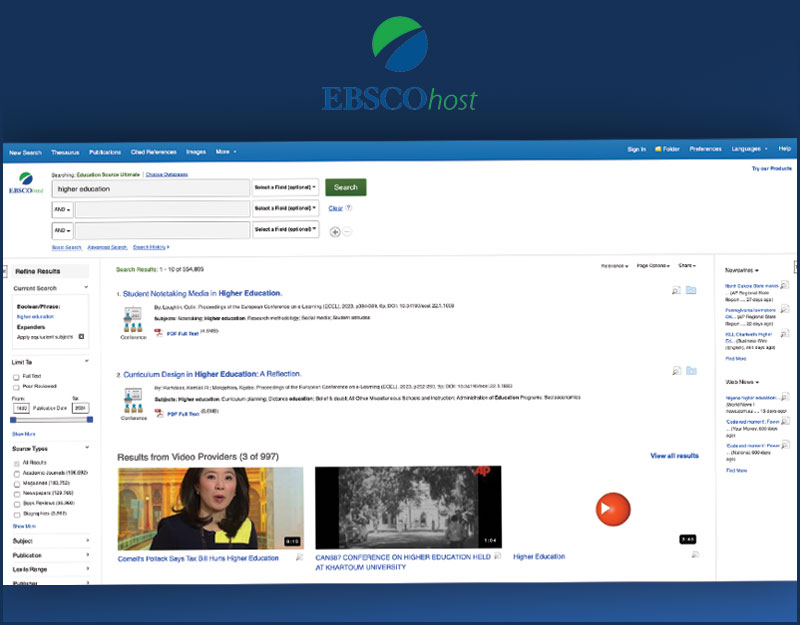
This comprehensive allows users, including education students and professionals, to delve into and analyze information across all levels of education and specialized areas.

Six educators share tips and tools, from utilizing ChatGPT to help write college recommendations to using voice technology to make poetry more engaging for students.
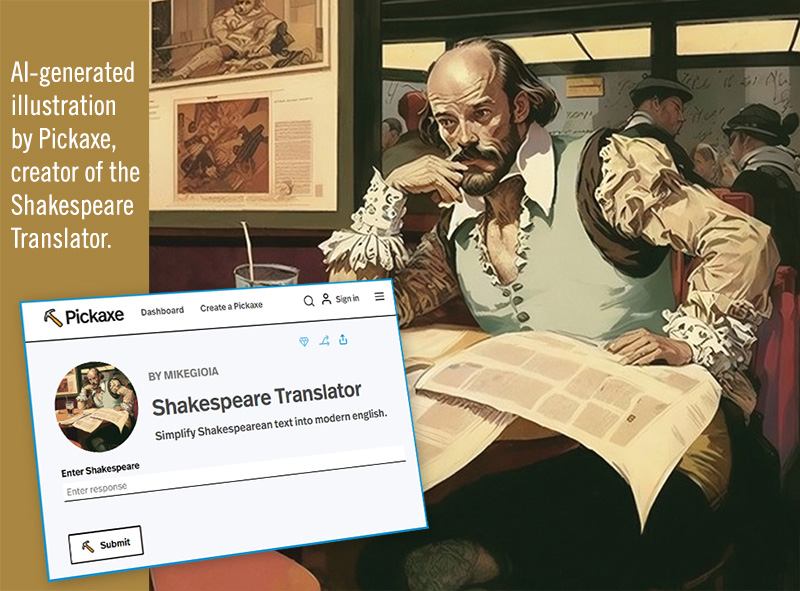
AI translations lack the beauty of Shakespeare’s verse in every sense. But they provide on-ramps to enjoy it.
School librarian Jean Darnell prompted ChatGPT to write a paper on Black history, and the result had glaring omissions. That's just one part of the problem, she says.
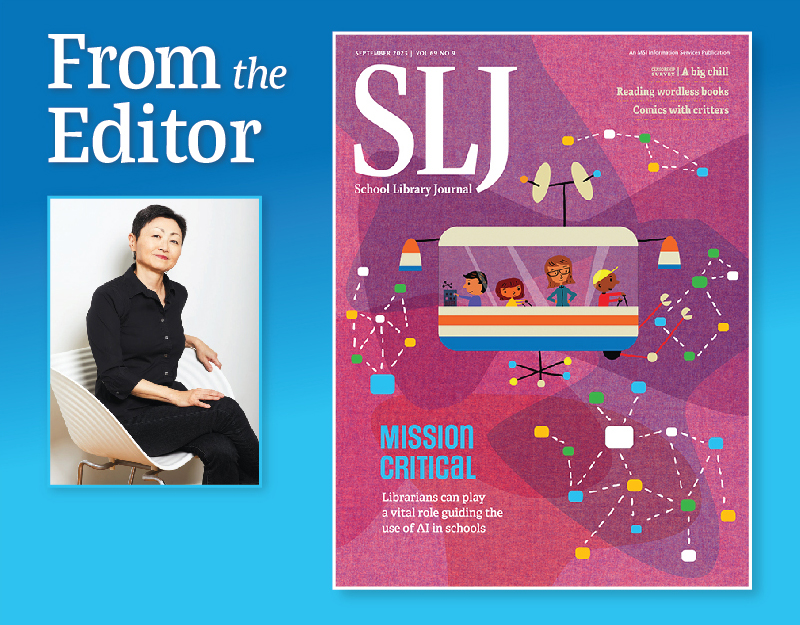
If our goal is to prep students for high-stakes tests, they won't stand a chance against AI. Changing the outcomes of education becomes the imperative, says Christopher Dede.
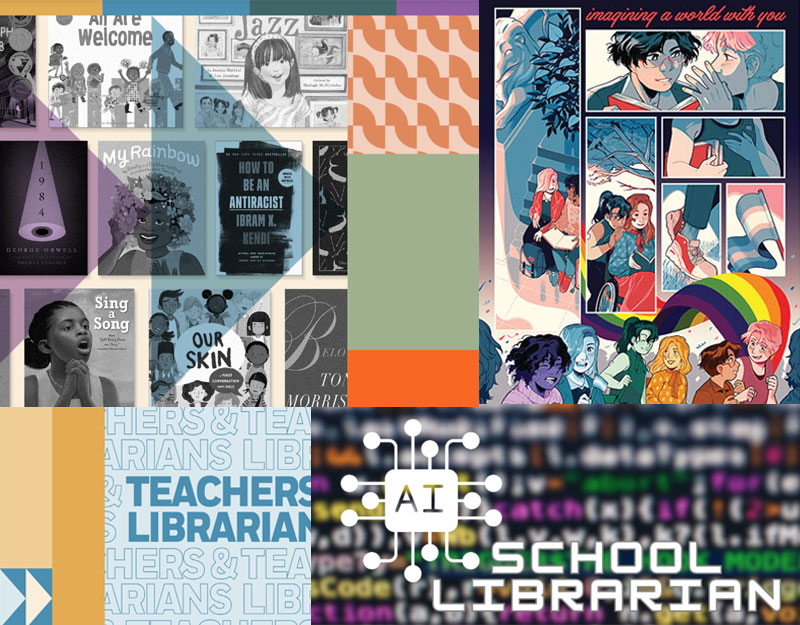
Explore the latest resources for education's hottest topics: banned books and artificial intelligence.
SLJ columnist Pat Scales will receive the 2023 Roll of Honor Award; 2021 School Librarian of the Year Amanda Jones is writing a book about her experience standing up to book banners; Follett to host ReadingCon 2023; and new offerings from Gale and EBSCO in this edition of News Bites.
Attempts to restrict access to digital materials have been led largely by conservative parent groups and political activists who claim they are protecting students from “obscene” materials.
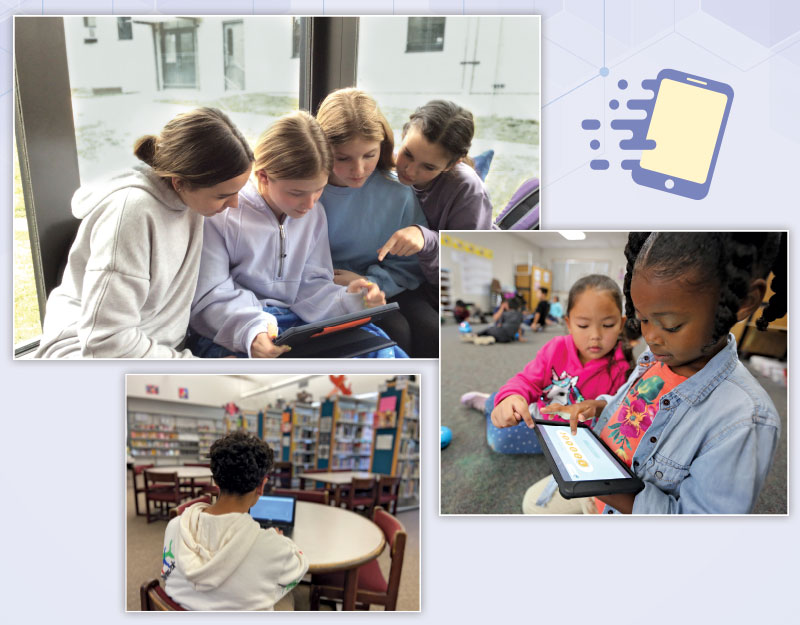
Solving real-world problems with VR, using translation tools with English-language learners, and upping the robotics game are a few ways librarians use tech to engage students.
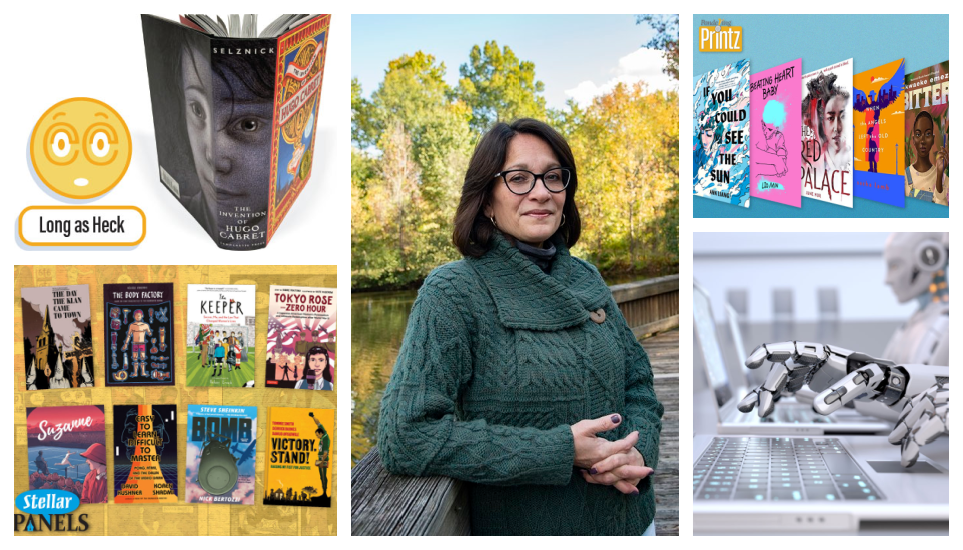
Readers welcomed our coverage of the youth media awards, a new ambassador and, yes, ChatGPT.
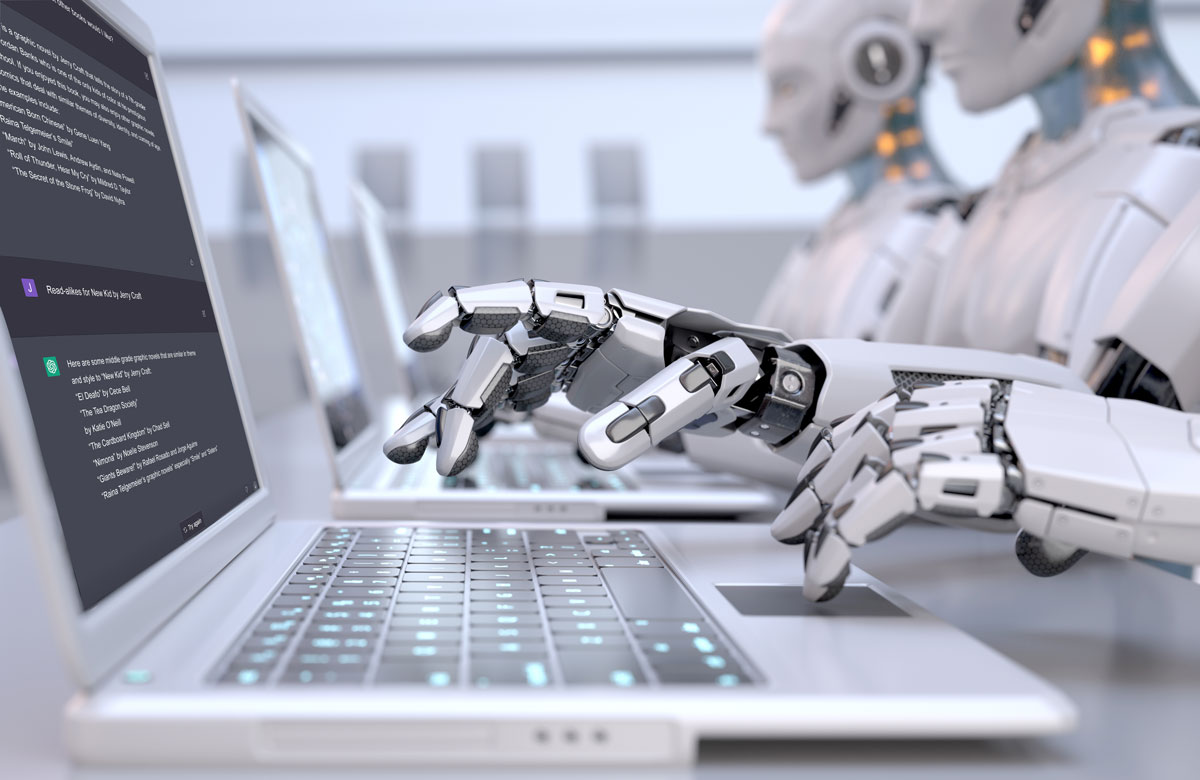
While classroom educators worry about students using the AI-based software for writing assignments, these librarians see the positive potential of the technology.
Ed tech platform Edmodo will shut down in September, the Center for Antiracist Education will no longer produce new materials; Sora is a Google Classroom add-on, and more in this edition of News Bites.
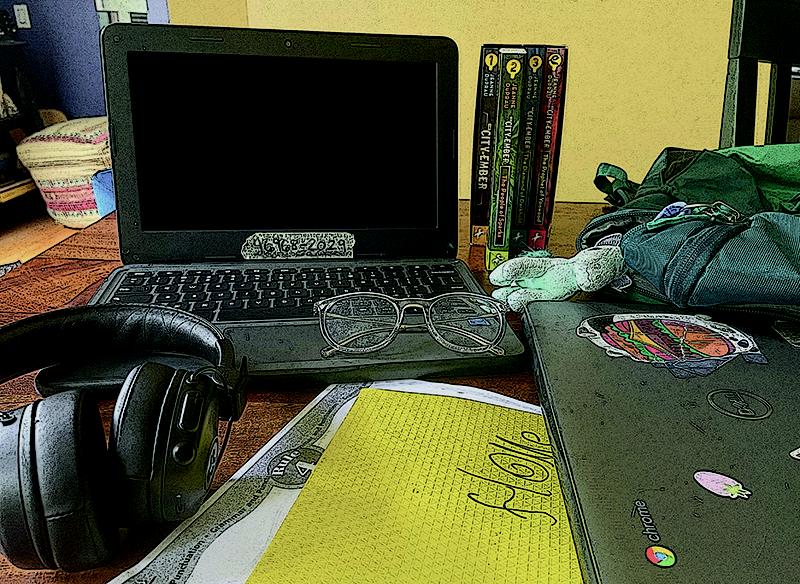
A district chief technology officer makes the case for giving students their Chromebooks permanently, saying it is not only a move toward more equitable education and but also better for a school's edtech department and budget, too.
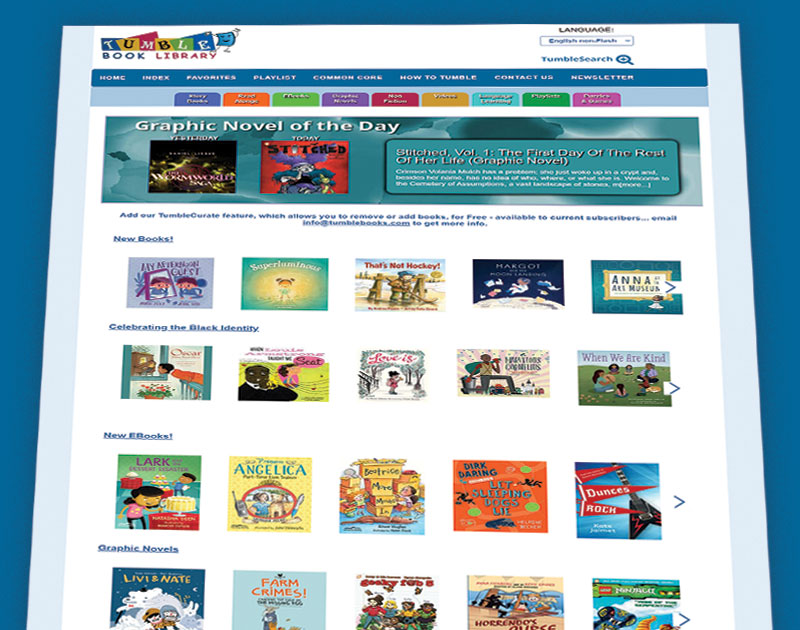
Providing a clean, full-featured search interface to more than 1,100 ebook and talking book titles, Tumble Book Library is a stalwart in the burgeoning market for remote learning and online reading platforms.
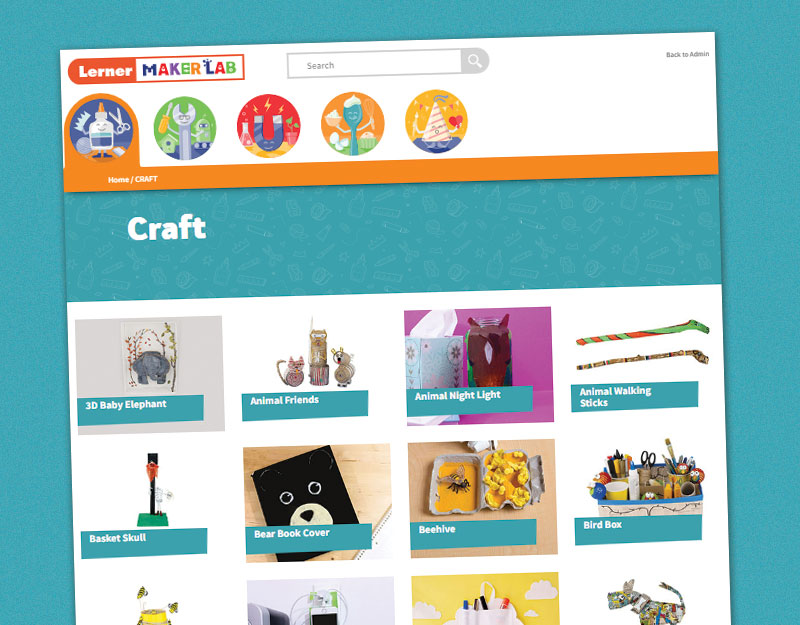
With a clean, enticing layout; simplicity of navigation; and a significant database of projects linked to a range of content areas, Lerner Maker Lab is a useful resource for elementary classroom teachers and subject specialists.
In response to new legislation and customer requests, Follett was working on optional features that would allow parents to request to be notified what book their child has checked out of the library and limit their access to materials. They will no longer be creating those options.
Creative and fun ways to use Clubhouse, Flipgrid, Green Screen, and more tools with students and teachers.
What are your favorite tech tools, and what tools do you want to learn more about about?
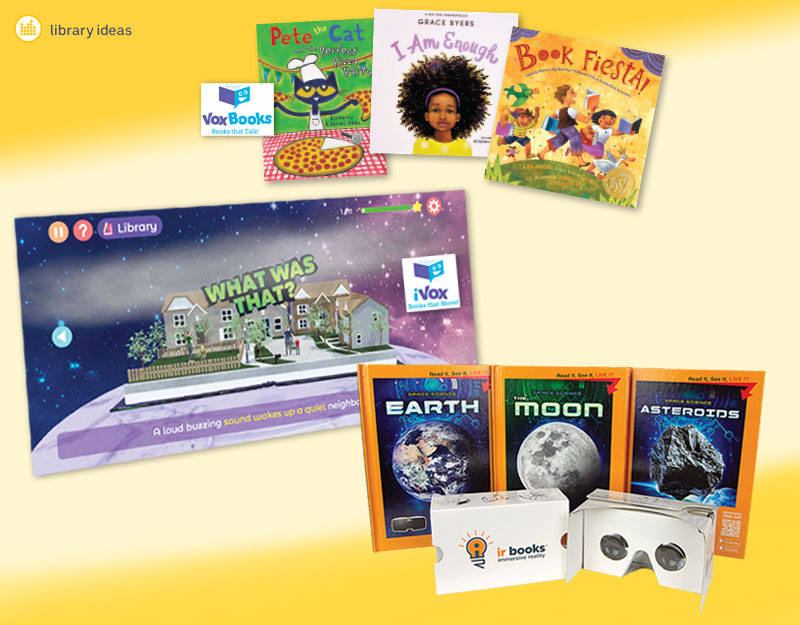
Three products from VOX make reading an interactive and, above all, fun experience.
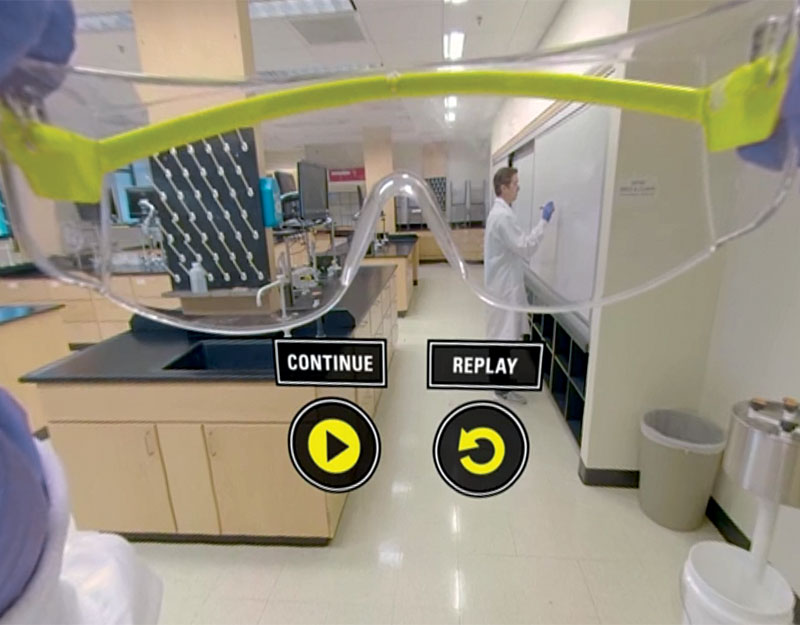
Some pandemic teaching innovations in STEM subjects are here to stay.
The acquisition adds TeachingBooks' curated supplemental materials to OverDrive Education's Sora app and platform.
School librarian Jessica Scheller and art teacher Andrea Ramirez of Eiland Elementary School in Klein ISD, Houston, win inaugural award.
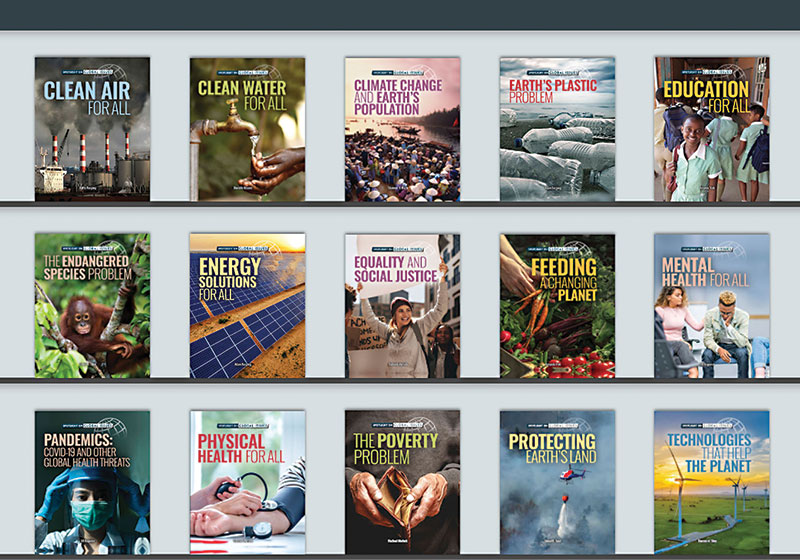
Rich and intuitively designed, clearly written, and abundantly illustrated, Rosen's Spotlight on Global Issues, a collection of ebooks on pressing social or scientific challenges, is a useful resource for young citizen activists.
After a school year when digital tools were vital for educational success, the AASL has announced the year's best.
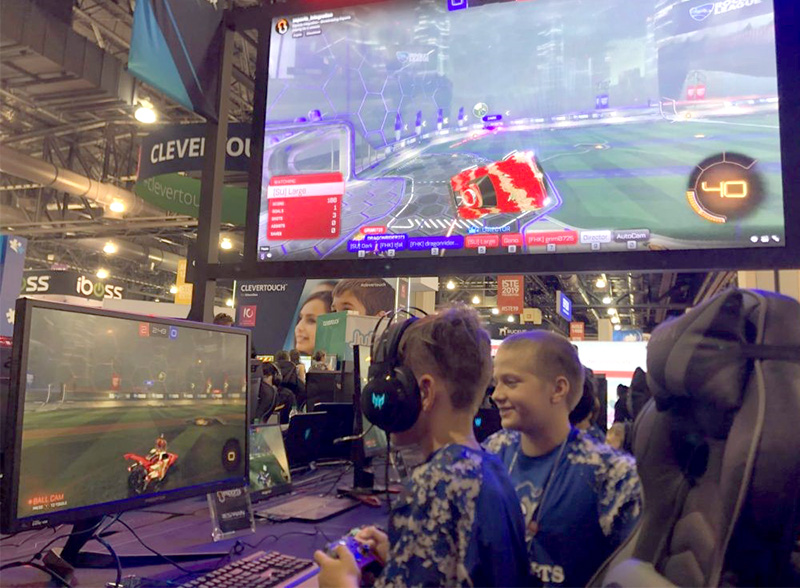
While some bemoan activities that require extra screen time during the pandemic, esports teams provide a myriad of lessons in an engaging way that students love.
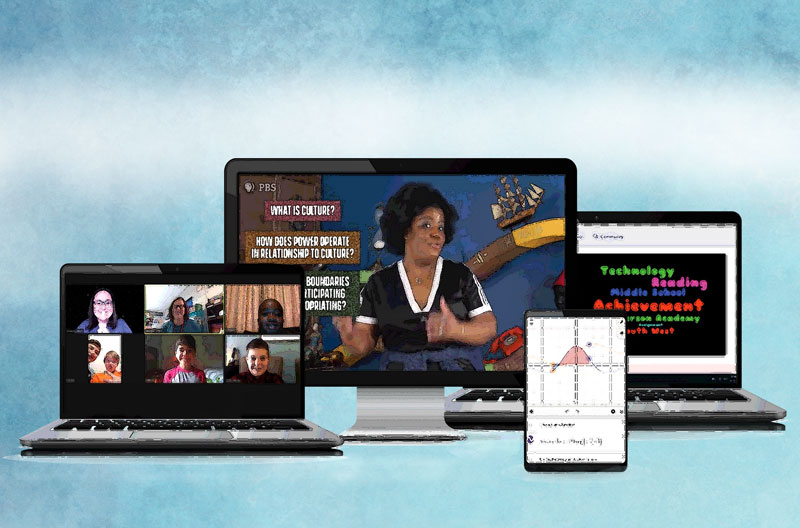
Innovative ways to use technology to keep students engaged and on track during the pandemic.

Have you ever wondered what it would be like to travel back in time to witness the birth of the universe? Or traverse the depths of the ocean for a close encounter with a great white shark? Now, you can—and all from the comfort of your own home.
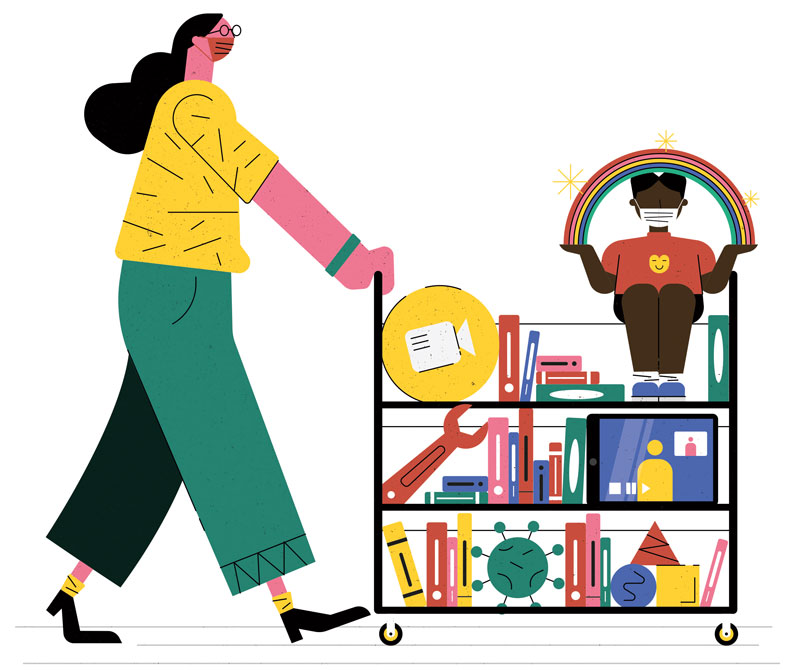
The survey showed school librarians using creative approaches to deliver superior library services, leading on tech innovation, collaborating with colleagues, and strengthening relationships with students.
The Black Caucus of the American Library Association will use the money to fund a one-day forum to strengthen support for Black/African American MLIS students; students fight censorship in Texas and Alaska, and more.
Educators' unions and parents joined together to sue the state's governor and department of education commissioner over on-site learning at public schools, TikTok launches media literacy campaign, the Ezra Jack Keats Foundation releases new online resources, and LibraryPlus has new CEO, comics offering, and apps in this edition of News Bites.
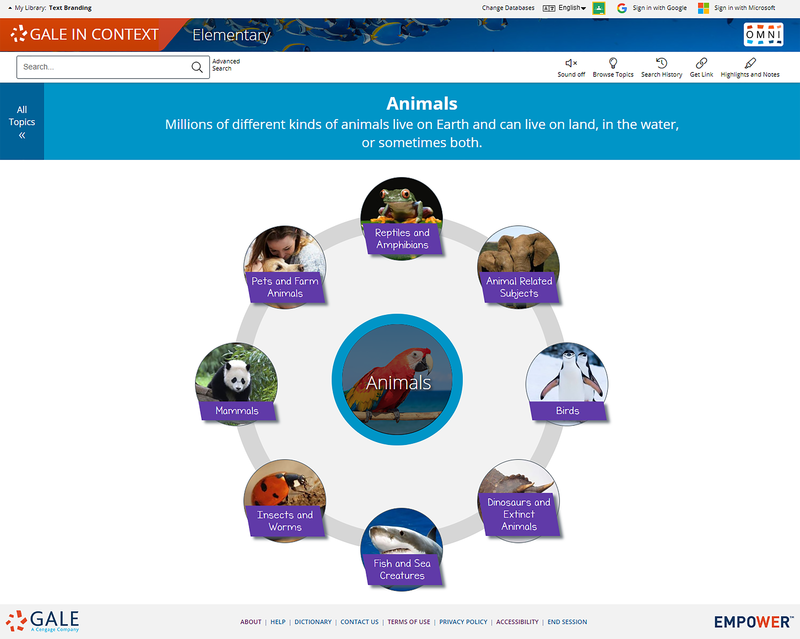
The redesigned database with a focus on elementary students, Gale in Context: Elementary, aims to provide individualized instruction for kids in the classroom and at home.
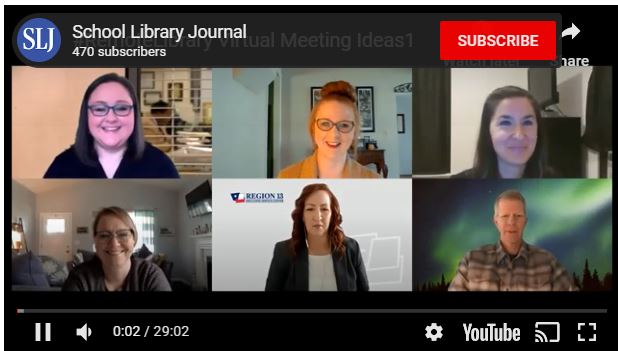
A panel of school librarians talks about creative and effective ways to use virtual meeting tools with students as remote learning continues.
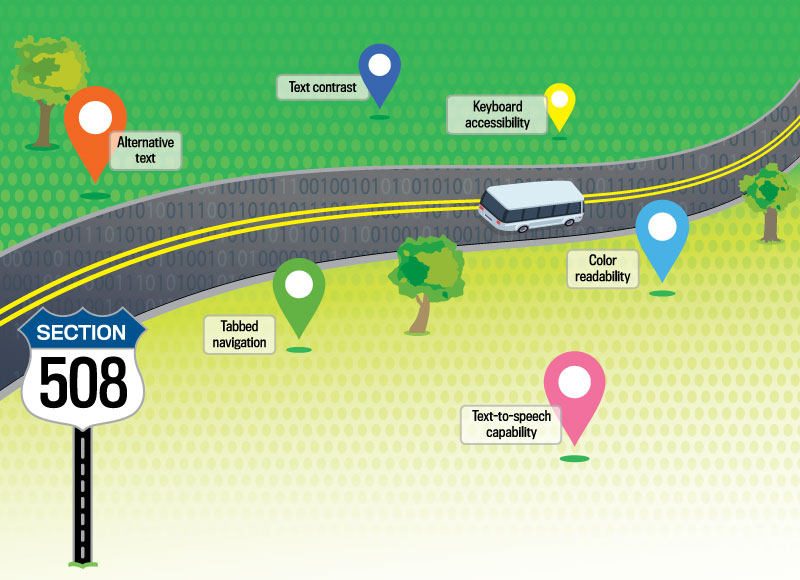
Target, Seattle Public Schools, and the Free Library of Philadelphia have something in common. All have been sued for having websites or digital tools that fail federal accessibility standards for individuals with disabilities. Knowing the rules of 508 compliance is important for school librarians, who are often responsible for tech, including maintaining website content.

A panel of experts shared the best digital resources for better remote learning on SLJ's recent webcast Digital Resources for K-12: Learning in the Age of COVID.

The changes the coronavirus pandemic has brought to education are just beginning. Use these strategies to support your students and yourself during this time.
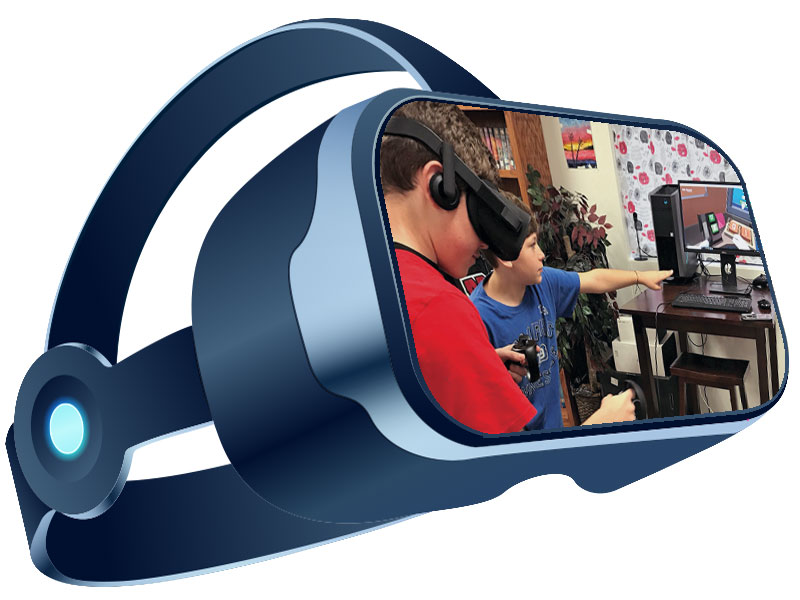
For school librarians planning for a return to in-school programming, peers share their AR/VR programming, mistakes made along the way, and the best way to incorporate the mixed reality edtech into the library and classroom.
Librarians have always been champions of student privacy. It’s vital to step up and provide rules for e-learning.
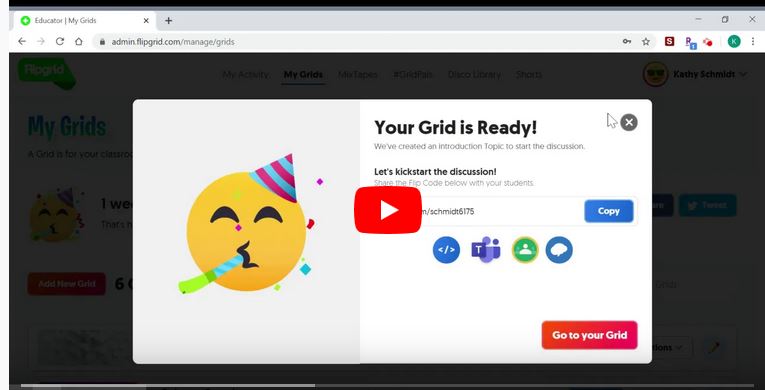
Georgia middle school library media specialist Kathy Schmidt created a basic tutorial and some practical tips for Flipgrid.
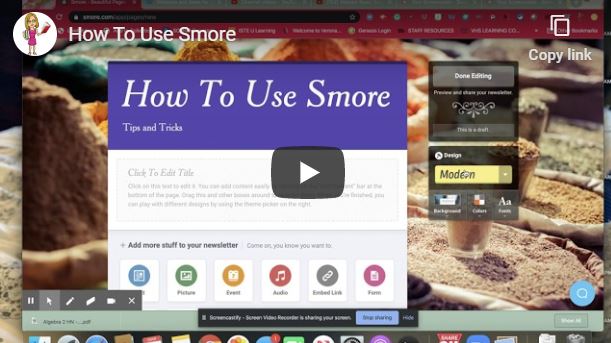
New Jersey high school librarian Elissa Malespina offers her insight on Smore—the basics plus some ways for librarians to use it effectively.
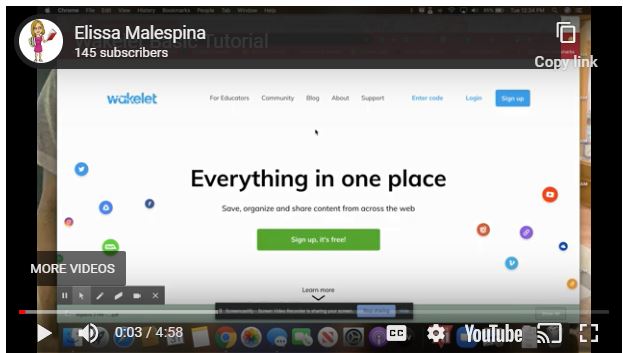
New Jersey high school librarian Elissa Malespina offers her insight on Wakelet—the basics plus some ways for librarians to use it effectively.
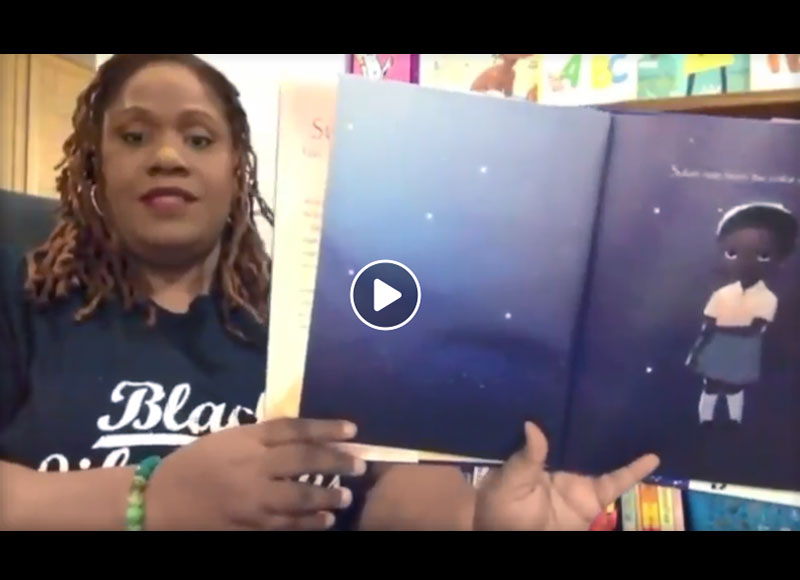
Focusing on what kids can access without broadband and where they congregate online, school districts strive to engage all students.
Schools and libraries closed due to the COVID-19 outbreak may open Wi-Fi networks for use by the general public without jeopardizing E-rate funding.
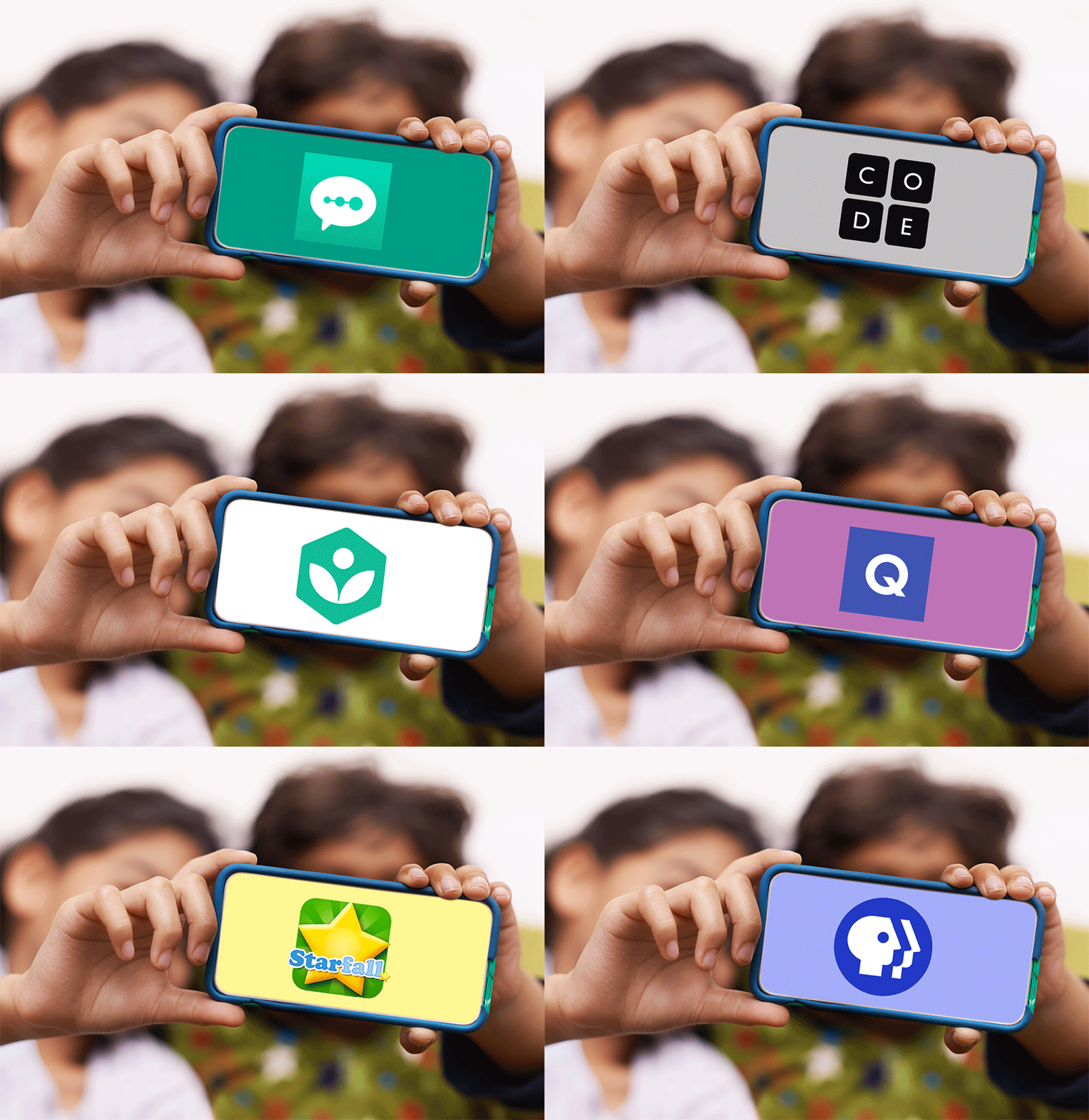
As educators turn to remote programming and classroom management due to the COVID-19 outbreak and school closures, ed tech providers are offering free access. Here’s a list.
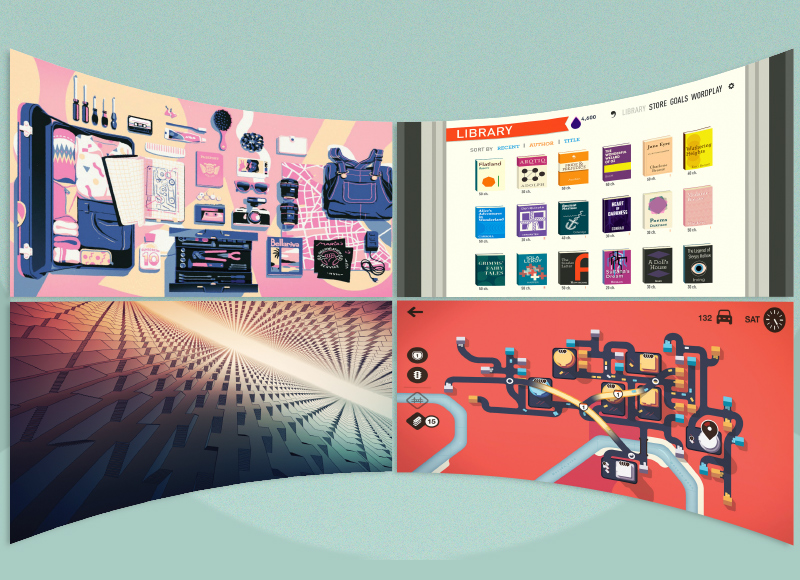
The relatively low-priced subscription service offers an opportunity to try out a large selection of newly released titles.
The discussions in the spring set of free, one-hour professional development programs will tackle serving striving readers, information inequity, and news literacy.

Nine tech-forward librarians name their favorite digital tools.

The learning opportunities found in well-designed games give students an interactive and entertaining way to learn about environmental issues.
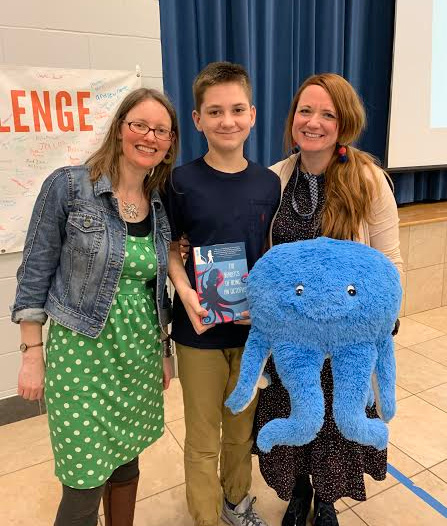
A recent SLJ webcast featured four experts who have successfully procured grant money for their schools and libraries. They shared top resources for grant funding, with tips on what might catch a reviewer’s eye in a proposal.
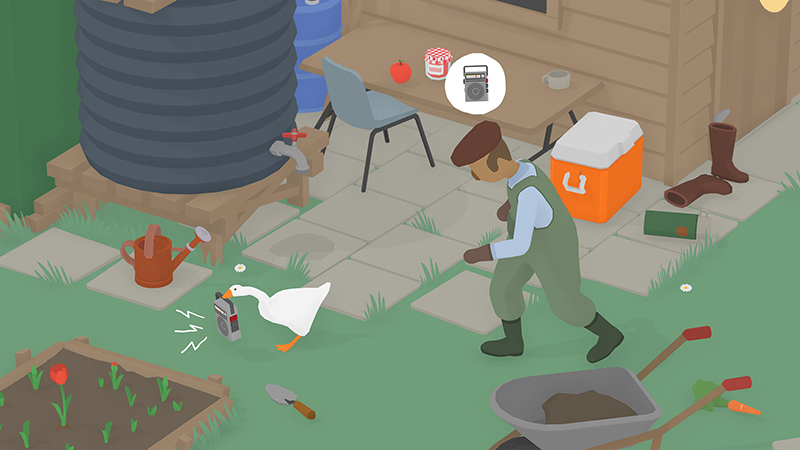
The best go beyond challenging to engage players on a number of levels: through distinct but readable design, evolving mechanics or difficulty, and repetitive but soothing soundtracks.
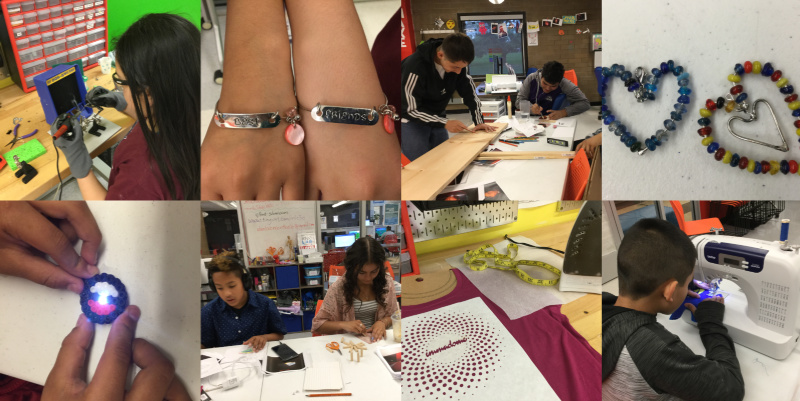
As part of SLJ’s Tech Trends series of webcasts in cooperation with ISTE, a panel of experts discussed makerspace learning and offered guidance on how to create and design an effective program.
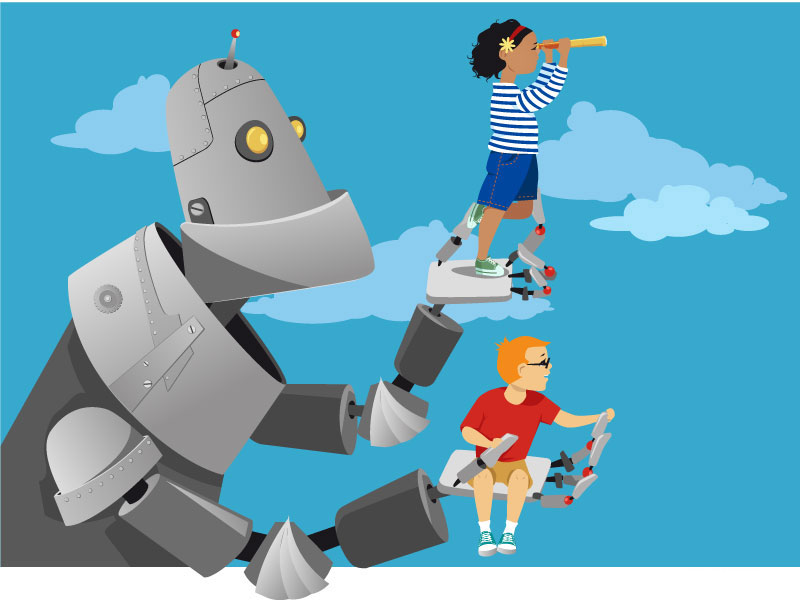
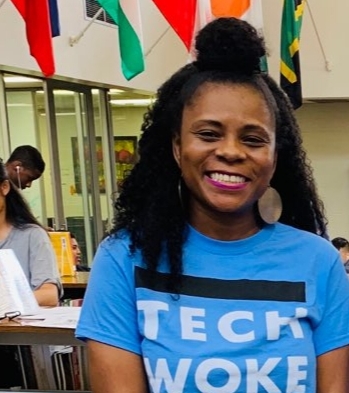
When I decided to incorporate more tech in the library, it made sense to connect it to my Read Woke initiative.
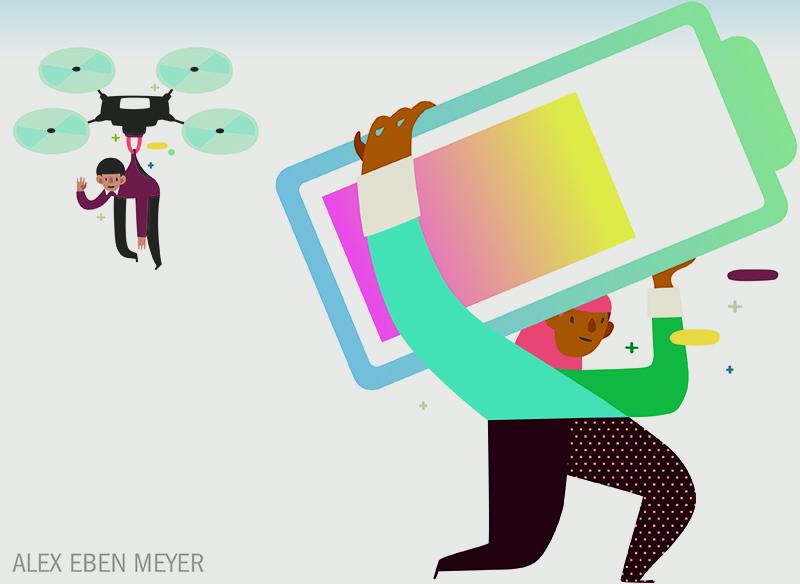
School librarians are recognized as tech leaders in their schools and communities—and say their tech skills boost job security, according to SLJ's 2019 technology survey.

High-profile educators like to talk about tech tools and other products they like. We need to know if they’re being paid to do so.
Summit attendees explored equity and access across different areas of education including technology, community engagement, and advocacy.
A New Jersey school librarian fought to keep Fun Home on the shelves, an author is uninvited from a teen lit festival, the Carle Honors Art Auction is underway, and a few tech resources added features for the start of the new school year in this edition of News Bites.
IMLS-funded free, online professional development racial equity curriculum is now available; Dav Pilkey and Scholastic try to "Do Good"; youth writer awards announced and more in this edition of News Bites.
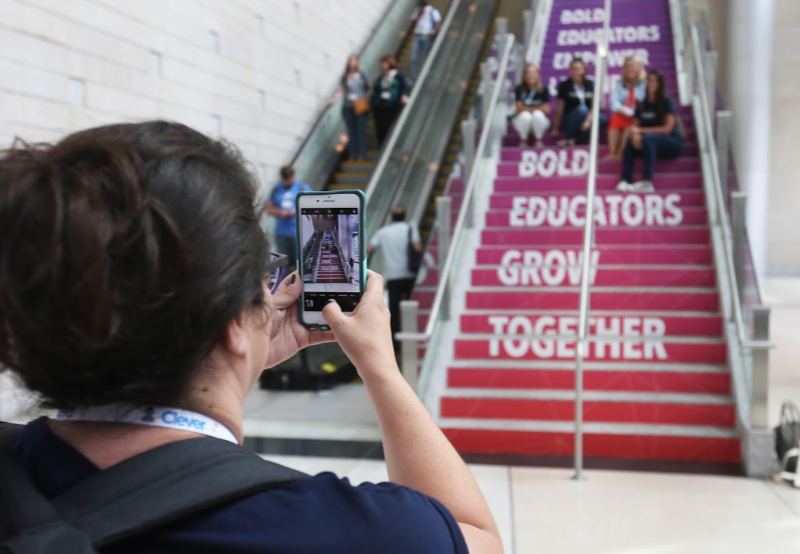
Inspiring projects, discussions of diversity, equity, and inclusion, and creating with—not just consuming—augmented and virtual reality were just some of the highlights of ISTE 2019.
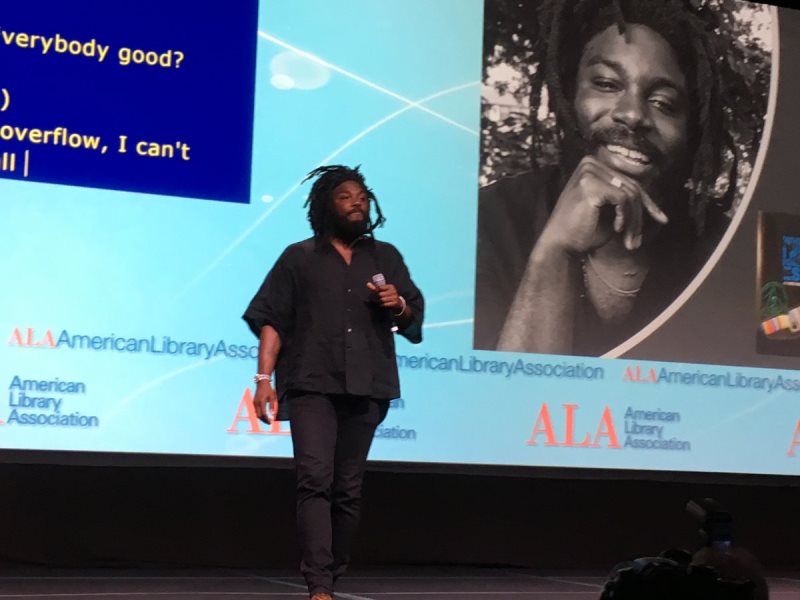
There were inspiring speakers, thought-provoking sessions, and protests at the ALA Annual Conference. Here are highlights, news, and notes from this year's event in Washington, DC.
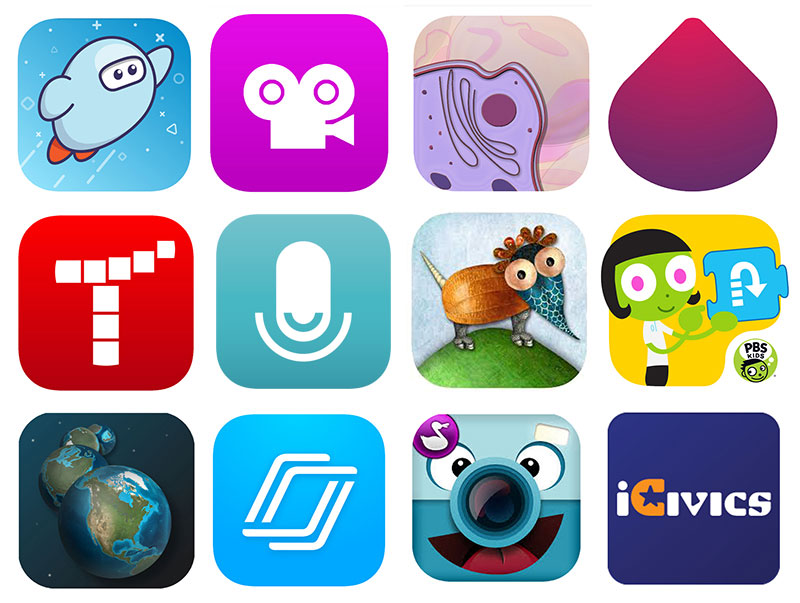
The much anticipated best apps, chosen by the American Association of School Librarians (AASL) each year, were announced on Saturday, alongside the best websites. But it was for the last time—the lists will be merged into a single best learning tools annual list beginning in 2020.

A trio of games that complement this year’s Collaborative Summer Reading theme emphasize the need for players to work together when faced with galactic danger.

The latest app in Tinybop, Inc.'s "Explorer's Library" allows students to experiment with heating and cooling solids, liquids, and gases—without setting off a smoke alarm.
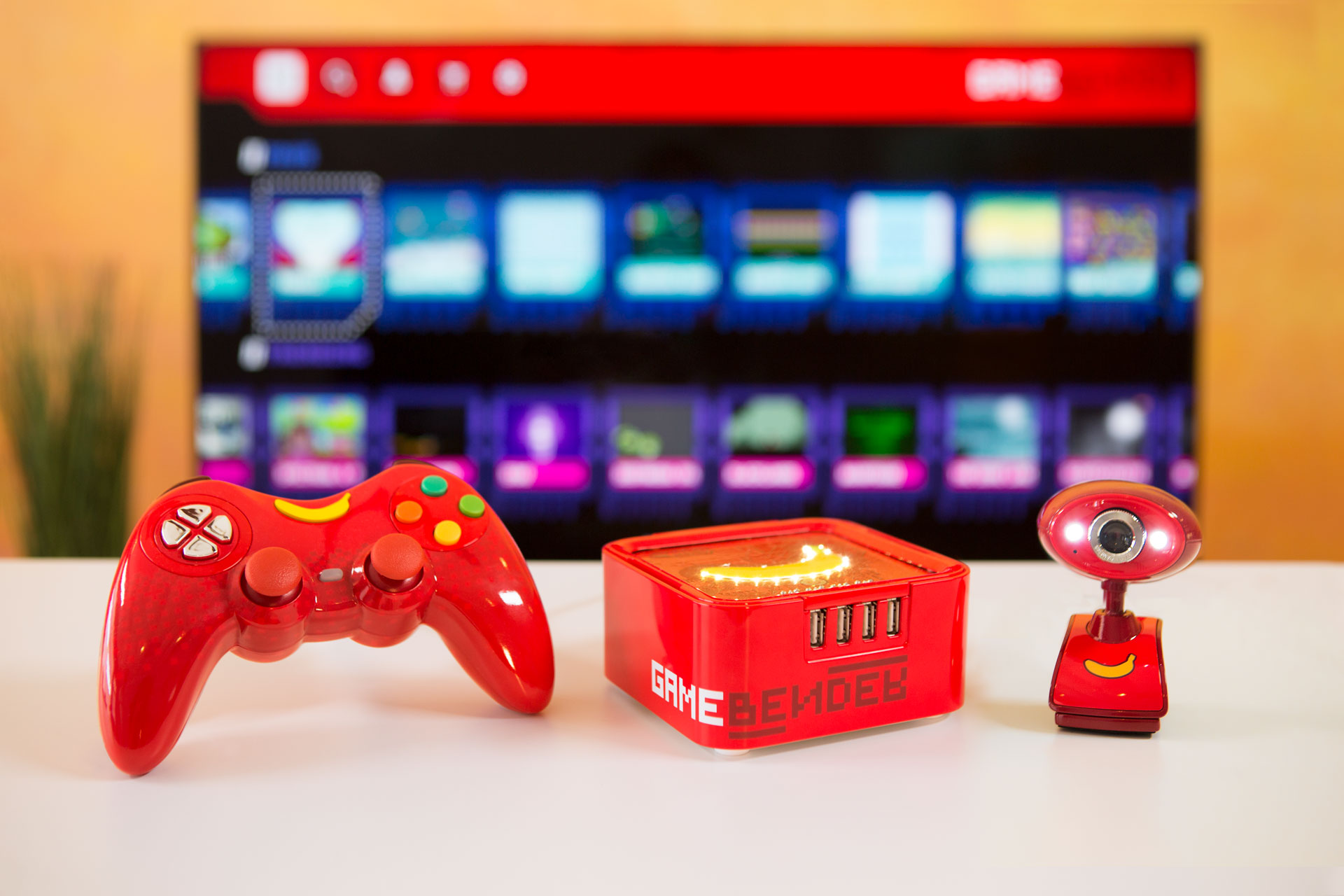
This new product allows users to alter code—and learn how to code—as they play. Kids can modify, change, and create a new game on the go.
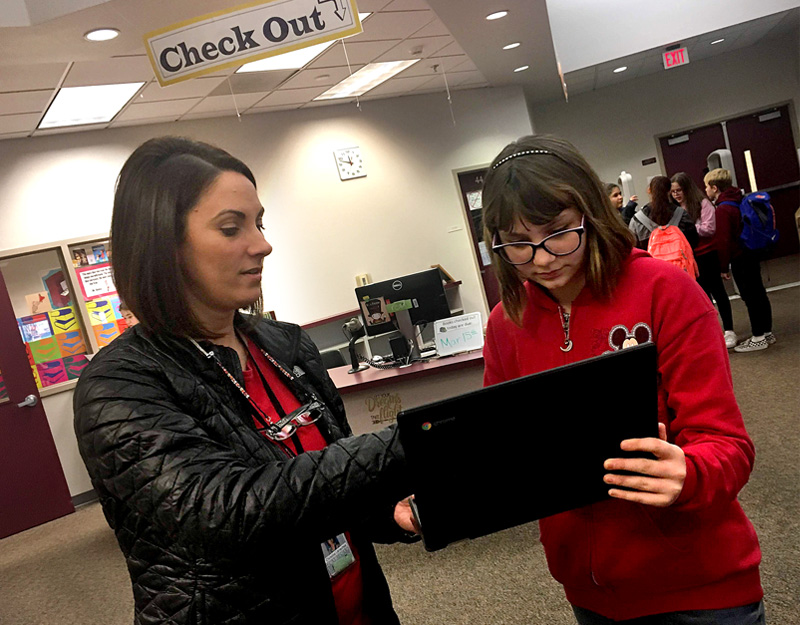
Four innovators use technology to bring out the best in their students and their communities.
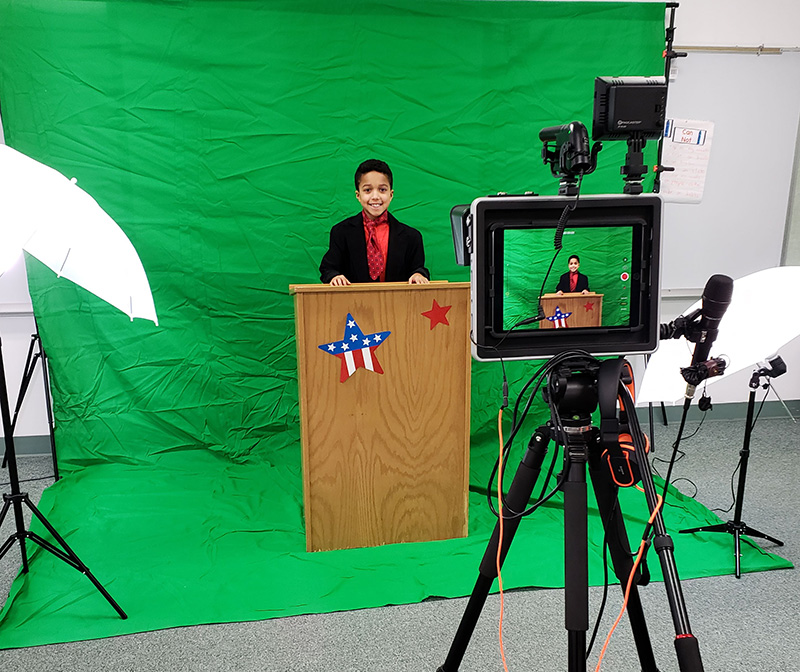
Using podcasts, social media, self-publishing strategies, and other tools, these six trailblazers transform reading and research.
Multiple book awards were announced, FlipGrid revs up for another student voice bus tour, and Follett has launched a new learning platform.
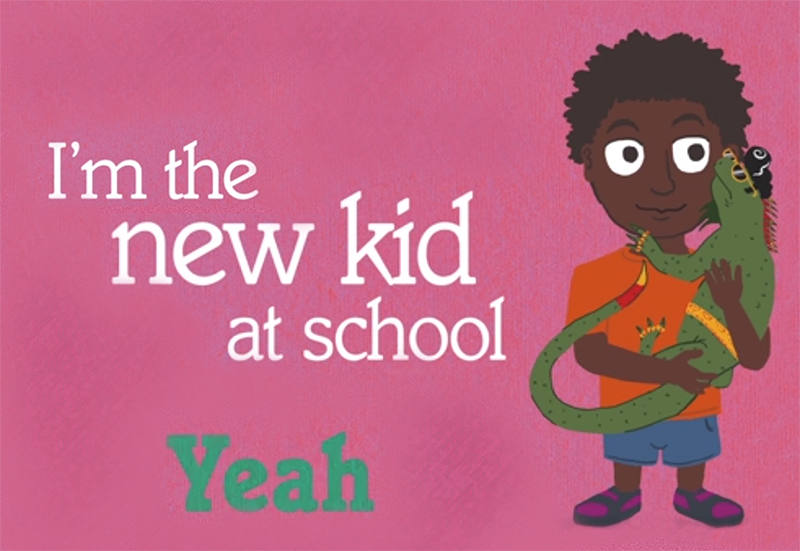
Interactive lesson platform Nearpod has acquired Flocabulary, the Brooklyn-based company that integrates a hip-hop beat into lessons spanning the curriculum.
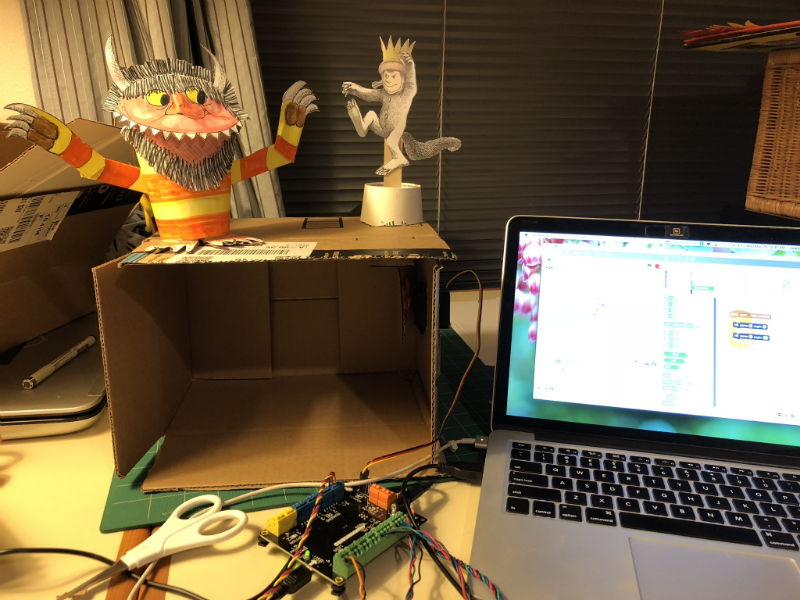
Makey Makey, Hummingbird Duo, and Scratch can turn an ordinary poster or diorama into a talking, moving educational presentation.
ALREADY A SUBSCRIBER? LOG IN
We are currently offering this content for free. Sign up now to activate your personal profile, where you can save articles for future viewing
ALREADY A SUBSCRIBER? LOG IN
Thank you for visiting.
We’ve noticed you are using a private browser. To continue, please log in or create an account.