Public Libraries
I recently spent a full day presenting workshops for the Nashville school librarians with my buddy Shannon Miller. I expected to fall in love with the city. But I fell in love with it for an unexpected reason. Nashville is a city that truly loves its libraries. And that love has a lot to do [...]
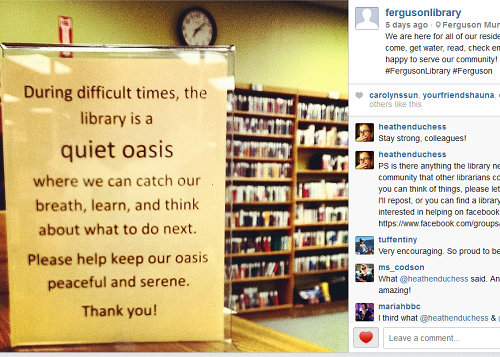
Missouri's Ferguson Public Library has gone out of its way to be a refuge of peace and calm during the the tumult following the August 9 shooting of unarmed black teenager Michael Brown, and teachers—and retired teachers—offer lessons at the library during the ongoing district closure.
August is bursting with industry news: YALSA is looking for submissions for its 2014 Maker Contest; the NAACP and American Urban Radio Networks have joined forces in a reading literacy campaign “NAACP Reads"; Minnesota's Saint Paul Public Library expands its laptop training and giveaway program.
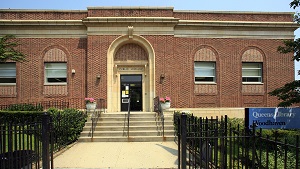
In light of New York City Mayor Bill DeBlasio's push to open 33,000 PreK spots in NYC, the Queens Library Woodhaven branch will offer, for the first time, a PreK class for 18 kids starting this September.
There was a time when I worked in the main branch of NYPL with the big old stone lions out front. No longer. These days I work at BookOps, a dual entity that encompasses both NYPL and Brooklyn Public Library. And in my workplace there is a great and grand and massively impressive sorting machine. [...]
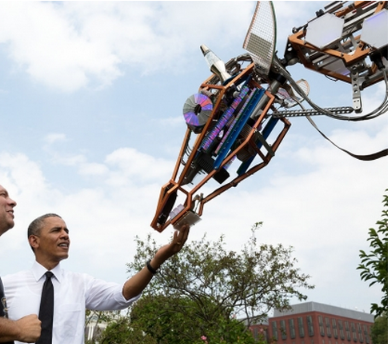
On June 18, the White House hosted its very first Maker Faire, where the Institute of Museum and Library Services and LEGO Systems announced STEM and STEAM initiatives for libraries across the country.

Closing school libraries and cutting certified librarian positions does not make sense, says YA author and advocate Sarah Darer Littman, who has backed this assertion with research she cites in an open letter to policy makers.
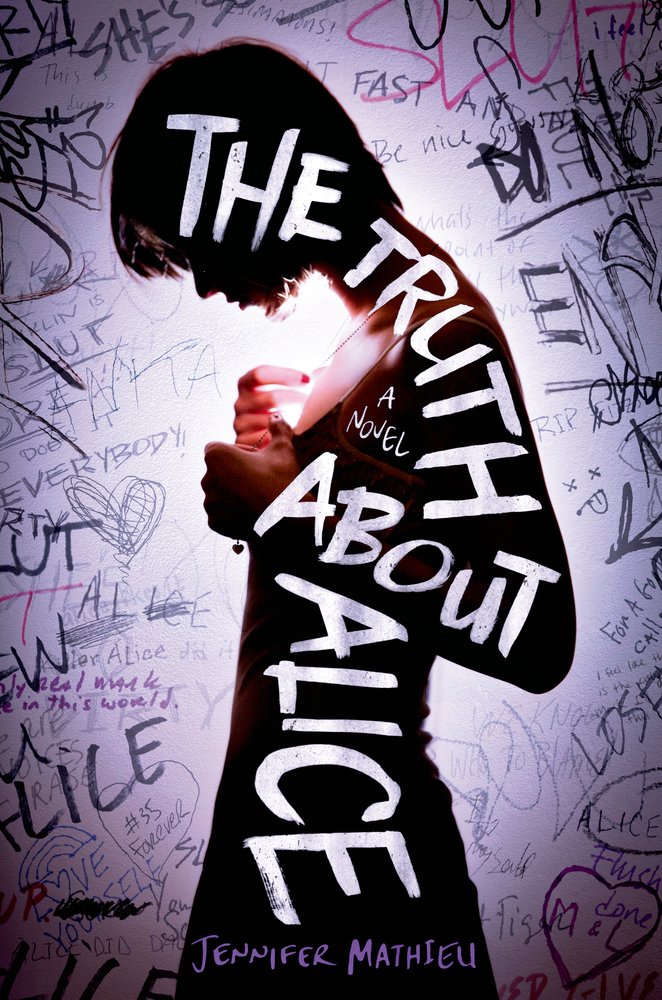
YA authors are tackling “the s-word” head-on. As professionals serving young people, librarians can talk to teens about why slut-shaming can’t be tolerated—and provide supportive programming.
2,464 articles
ALREADY A SUBSCRIBER? LOG IN
We are currently offering this content for free. Sign up now to activate your personal profile, where you can save articles for future viewing
ALREADY A SUBSCRIBER? LOG IN
Thank you for visiting.
We’ve noticed you are using a private browser. To continue, please log in or create an account.