Public Libraries
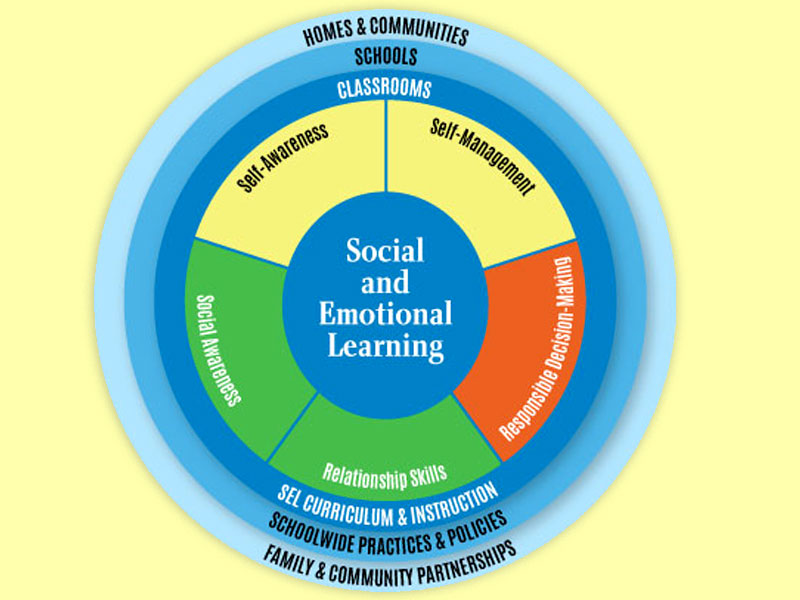
More schools are consider new ways to add news literacy and SEL to their teaching. There’s never been a better time to combine these efforts.
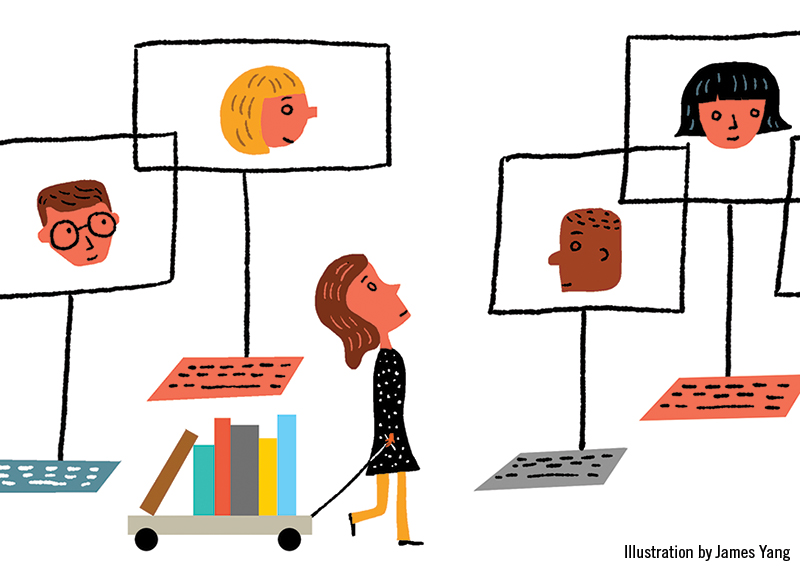
SLJ's reporting takes stock of the pandemic's impact on school and public libraries and the kid lit community.
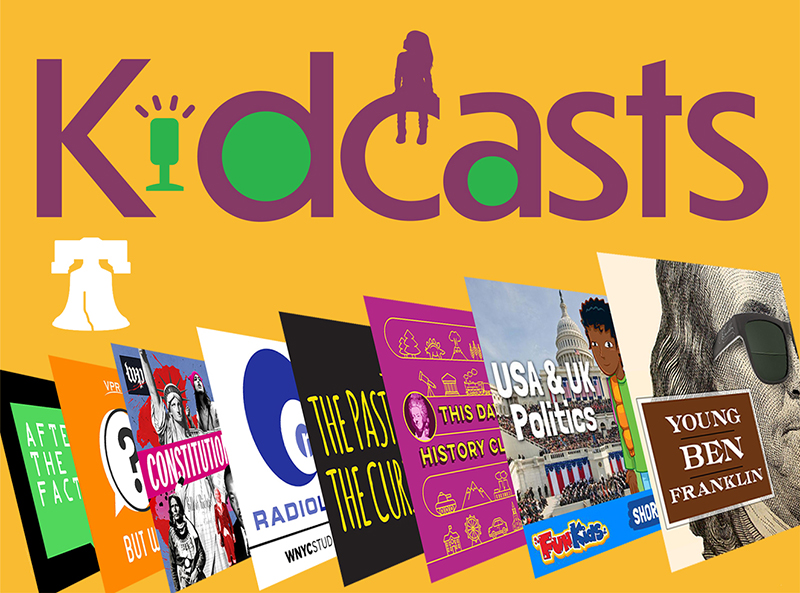
This playlist offers windows into key documents, people, and cultural factors that shaped U.S. history.
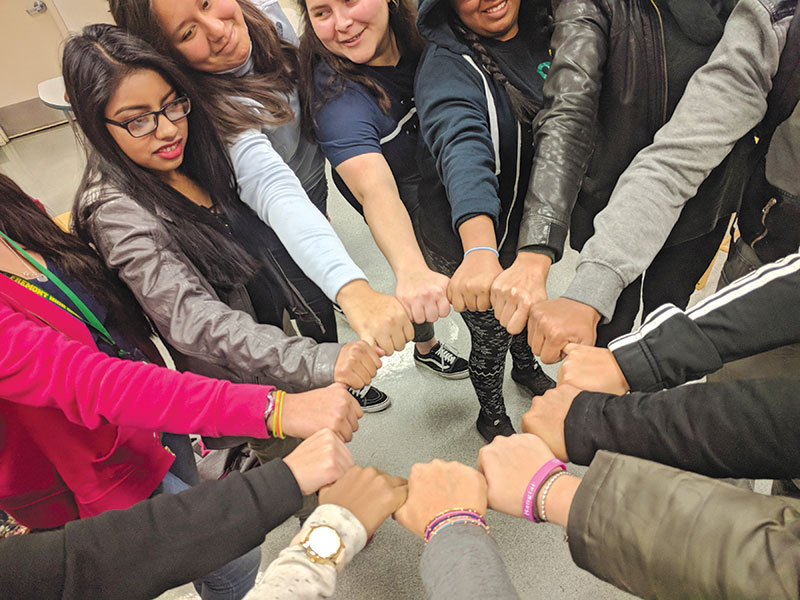
A common goal is to build positive connections while helping to stem negative impacts traditionally associated with wholly punitive discipline, such as school suspensions and expulsions.
Restorative justice practices—which emphasize group engagement to repair harm —can make our libraries safe spaces for everyone. Here are suggestions.
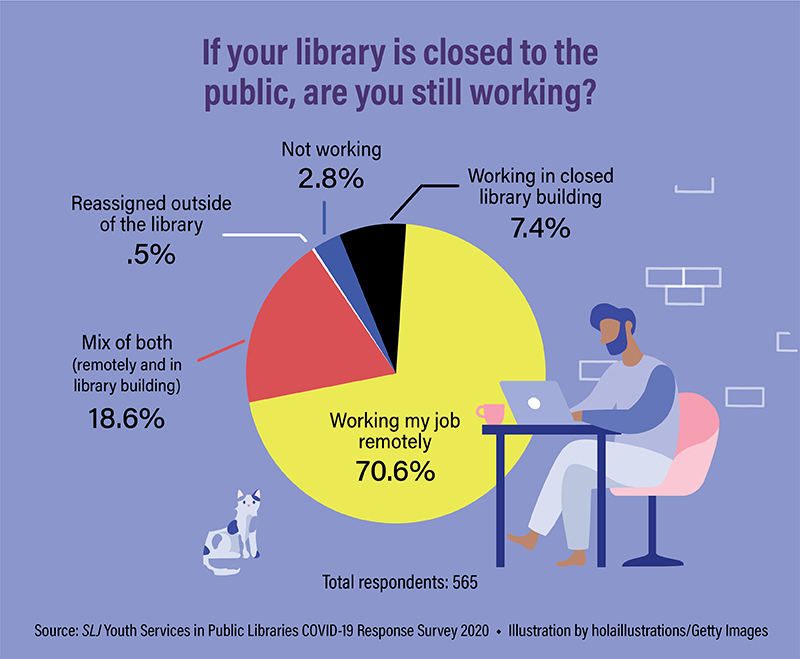
Youth services librarians at public libraries around the country have been adjusting to pandemic closures and trying to plan for future programming amid many unknowns, including budgets, according to SLJ's recent survey.
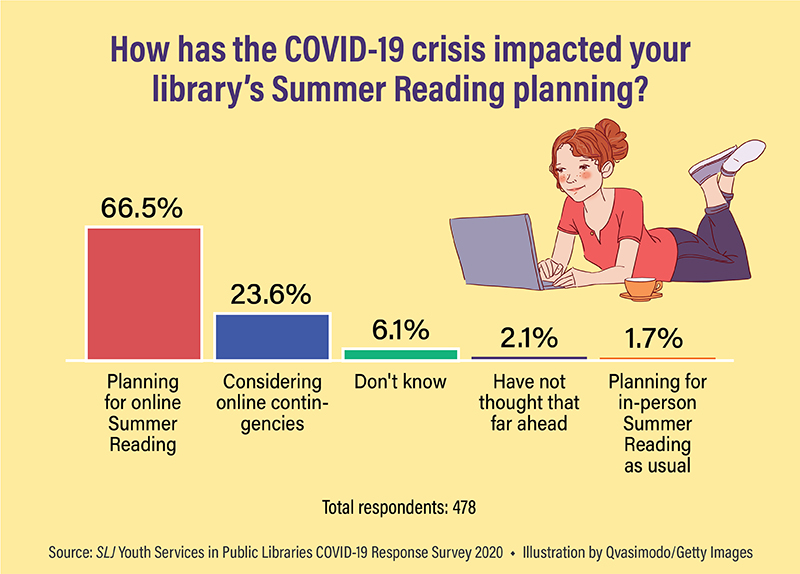
More than 66 percent of public librarians report that summer reading programs will go completely online, according to SLJ's Youth Services in Public Libraries COVID-19 Response Survey.
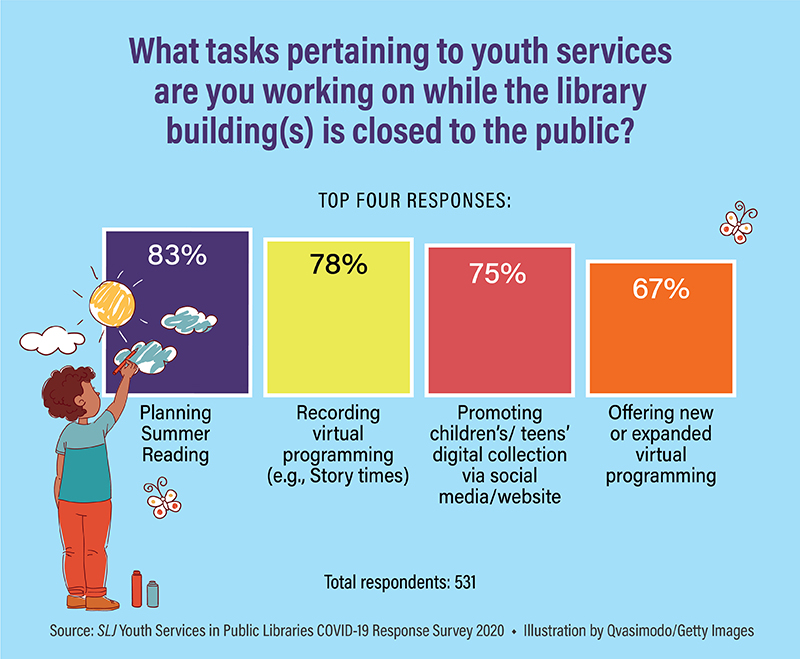
Reworking summer reading programs is the number one task being performed by public librarians who work with kids and teens, according to SLJ's survey. But the report shows a wide variety of work being done.
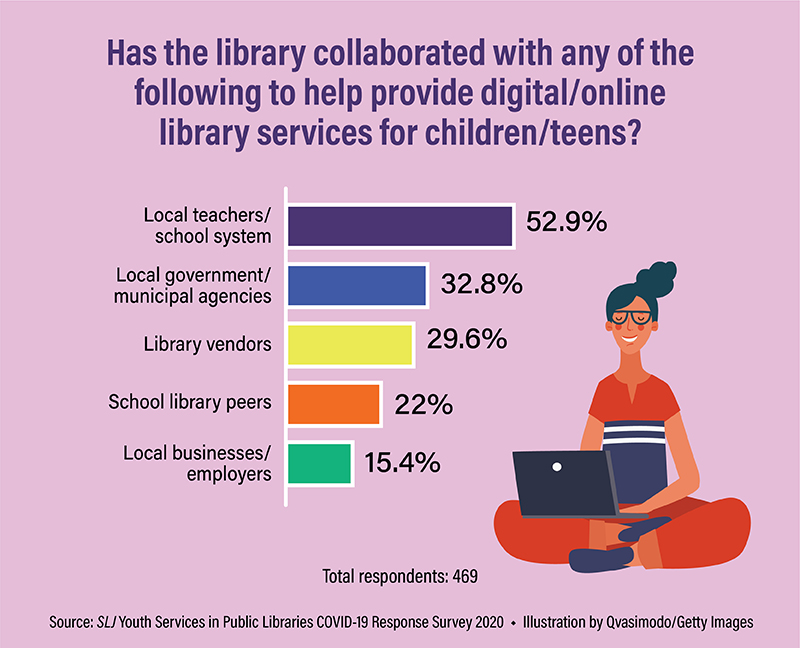
More than half of public librarians have collaborated with local school systems and teachers since the closures to provide digital and online services for children and teens, according to SLJ's Youth Services in Public Libraries COVID-19 Response Survey. And nearly 33 percent have collaborated with local agencies toward the same goal.
ALREADY A SUBSCRIBER? LOG IN
We are currently offering this content for free. Sign up now to activate your personal profile, where you can save articles for future viewing
ALREADY A SUBSCRIBER? LOG IN
Thank you for visiting.
We’ve noticed you are using a private browser. To continue, please log in or create an account.