Public Libraries
Restorative justice practices—which emphasize group engagement to repair harm —can make our libraries safe spaces for everyone. Here are suggestions.
Things to bear in mind when your library re-opens for programming: Opportunities for self-expression, games, and makerspaces are a draw. Anything school-like is not.
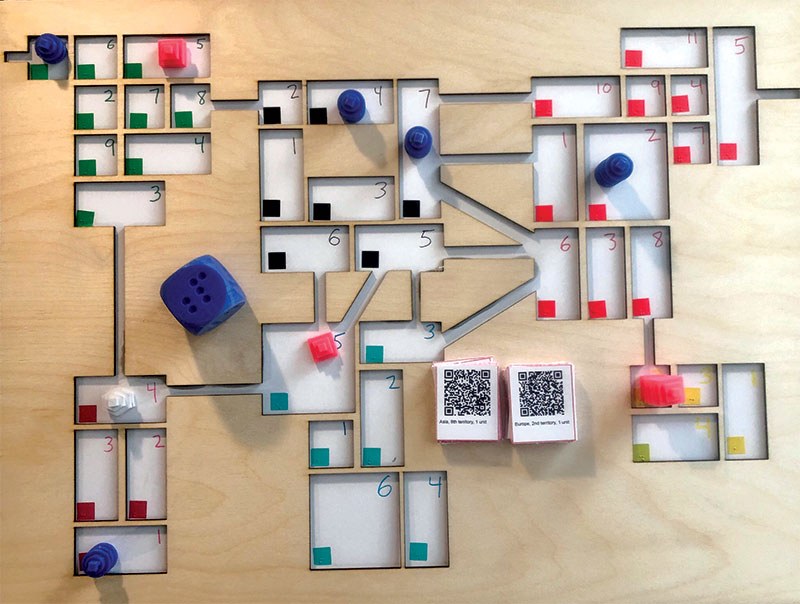
The partnership benefits the New Jersey students, who are learning accessible design and to create with empathy and imagination, as well as the blind and visually-impaired kids, who not only get to play the games but have a voice in the process.
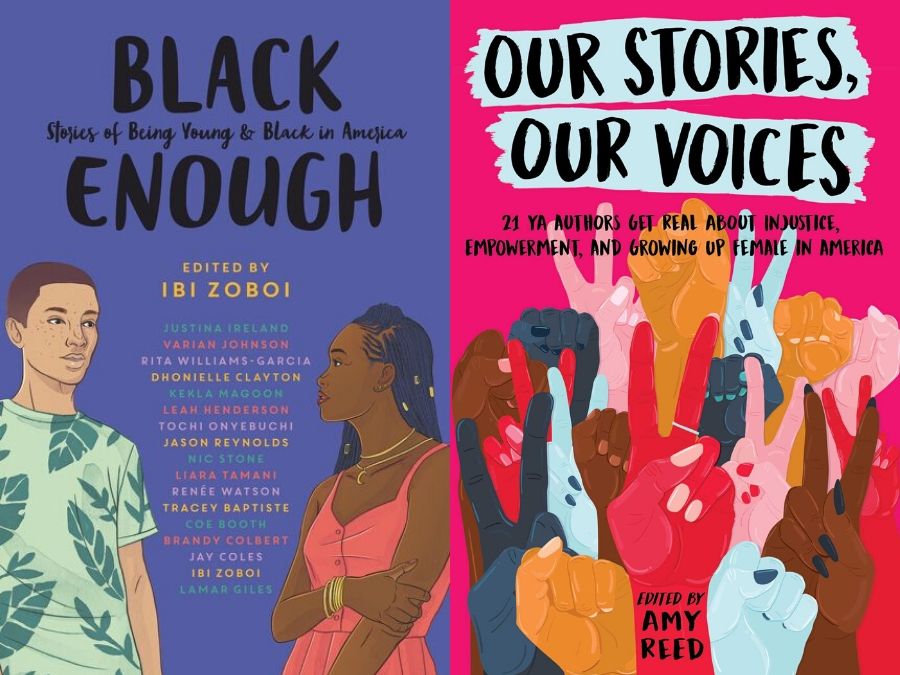
In the last few years, there's been a rise in YA anthologies hitting shelves, and the trend isn't slowing down. Librarians weigh in on these books' popularity and how to use them in schools and public programming.
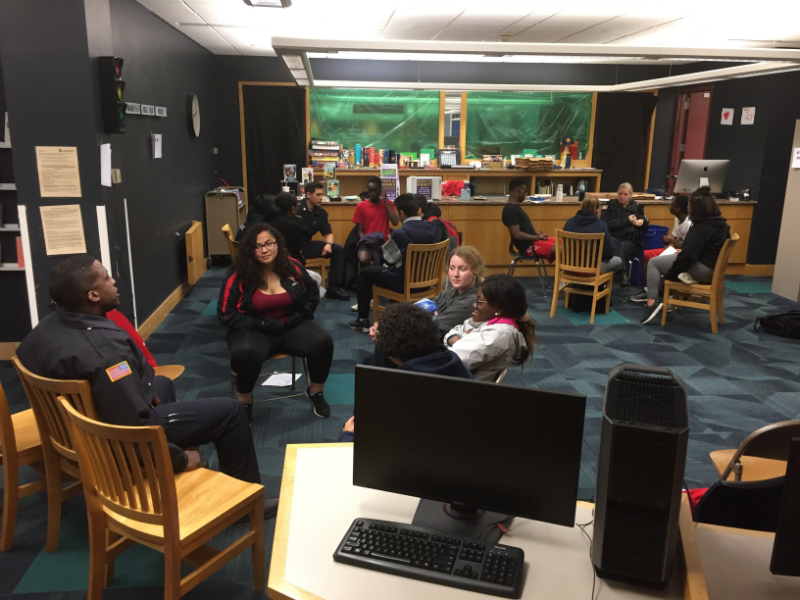
A suggestion from a teen patron has turned into a popular program that allows teens to discuss social issues important to them at the Waltham (MA) Public Library.
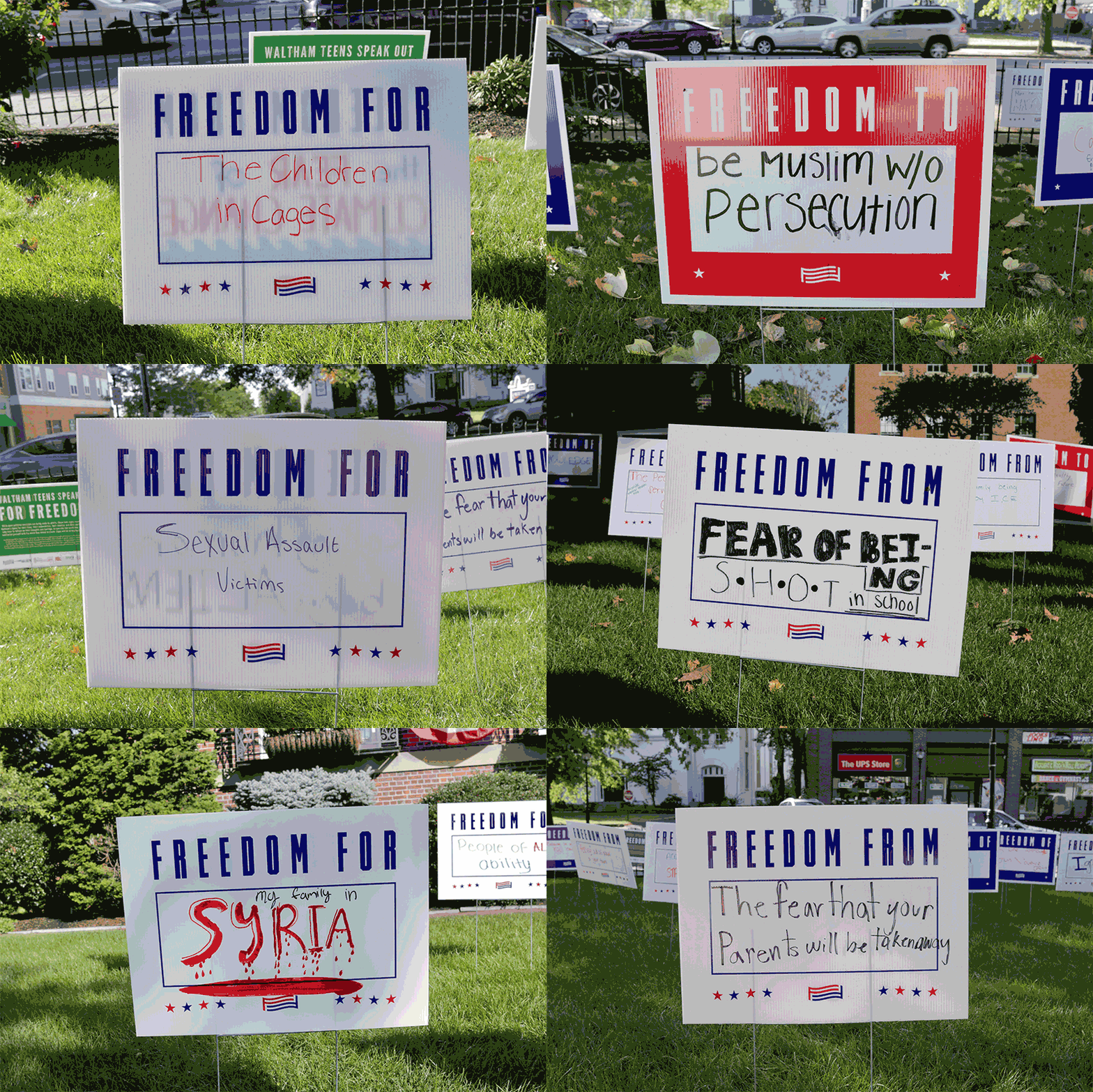
A library program in Waltham, MA, offered teens an opportunity to practice active citizenship. The result was a powerful, practical, and often, a heartbreaking document of their hopes and fears.
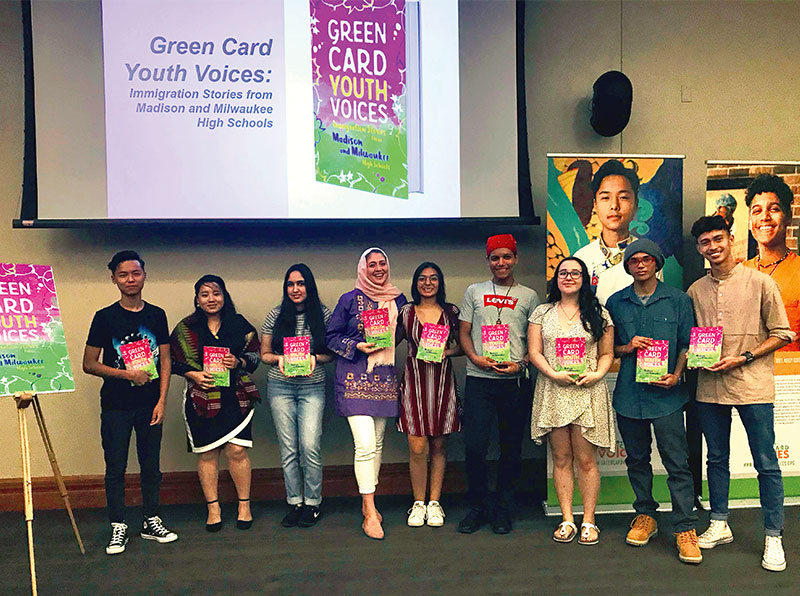
A collection of personal essays by immigrants in high school empowers them and affects their peers.

Our top posts of the week past on SLJ.com and the blogs.
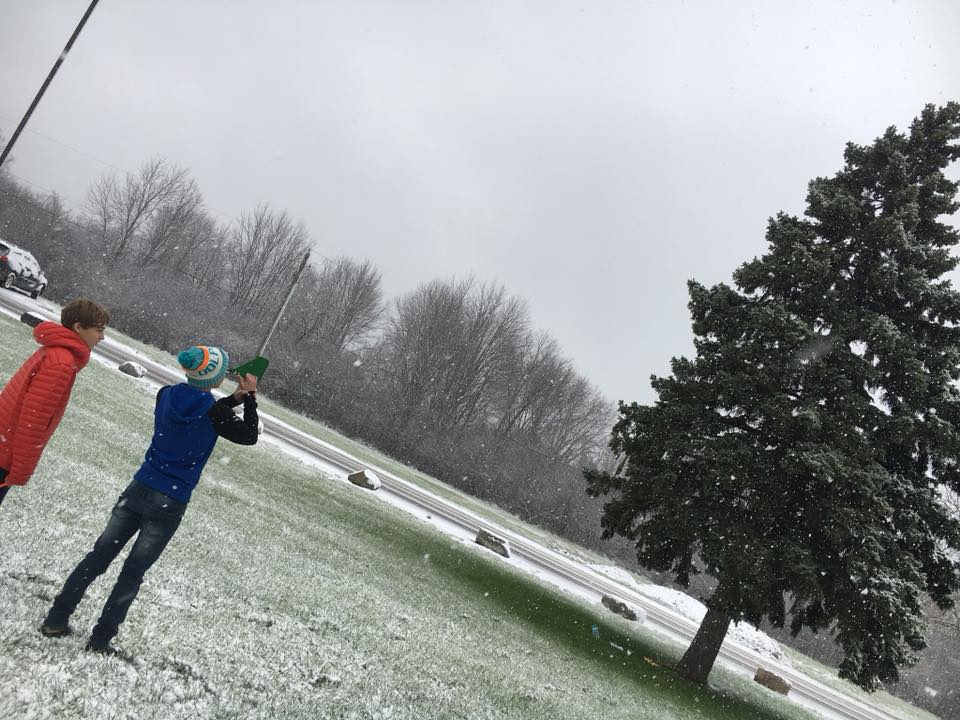
With citizen science projects like those in NASA's GLOBE program, students are learning scientific skills, connecting their regions with global trends, and aiding scientists with research.
ALREADY A SUBSCRIBER? LOG IN
We are currently offering this content for free. Sign up now to activate your personal profile, where you can save articles for future viewing
ALREADY A SUBSCRIBER? LOG IN
Thank you for visiting.
We’ve noticed you are using a private browser. To continue, please log in or create an account.