Public Libraries
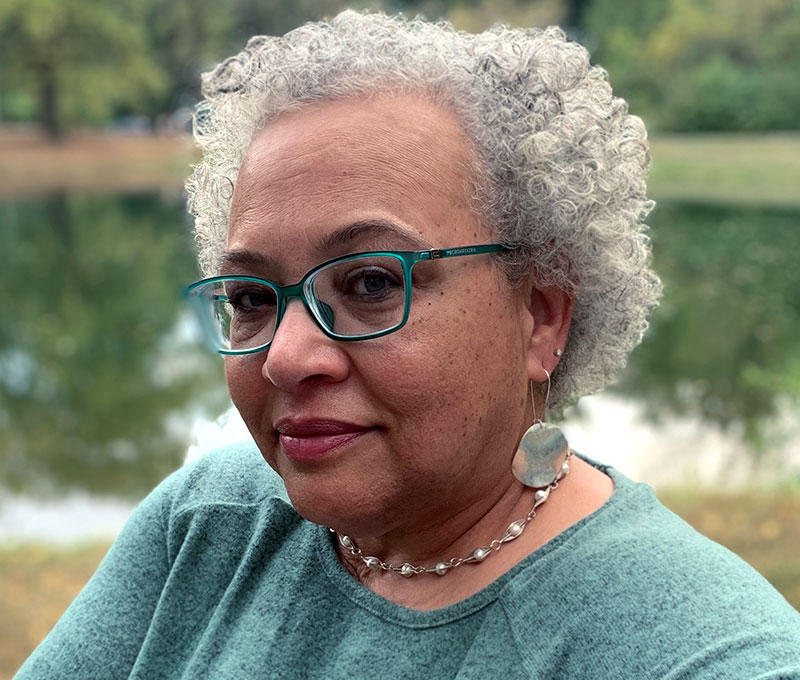
I resist, not necessarily by marching in the street but by staying informed as an educator, colleague, and as a bystander. I question policies and practices that align with doing what we’ve always done just because it’s what we’ve always done.
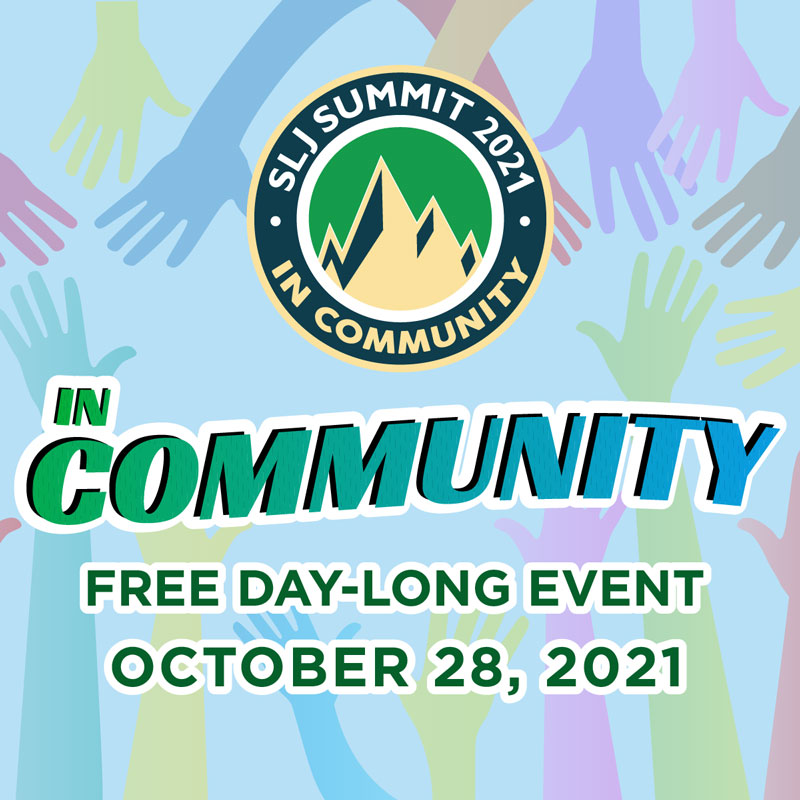
Save the date and register to join us “In Community” for a full-day, virtual program on Oct. 28.

In covering achievements in the library world, it’s natural to focus on outcomes, reporting and raising up the endpoint of success. This story represents a win, for sure. But as Colleen Kilbreath, director of the Stanton County (KS) Public Library recalls, it stemmed from failure.
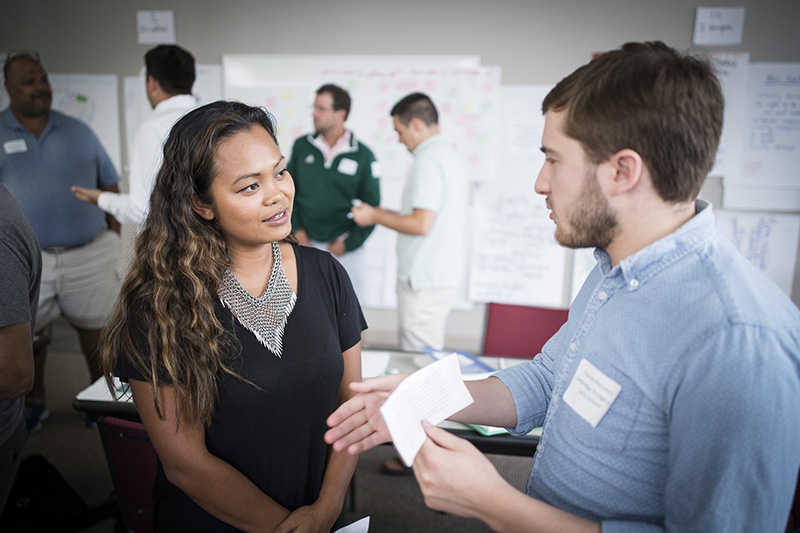
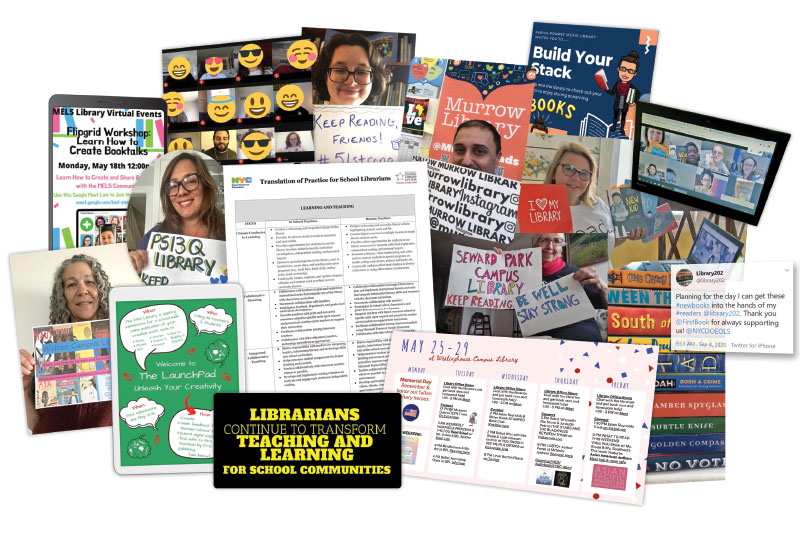
The areas of K–12 education that demand a transformation of thought and action are multiple, and we must lean in to this vital work.
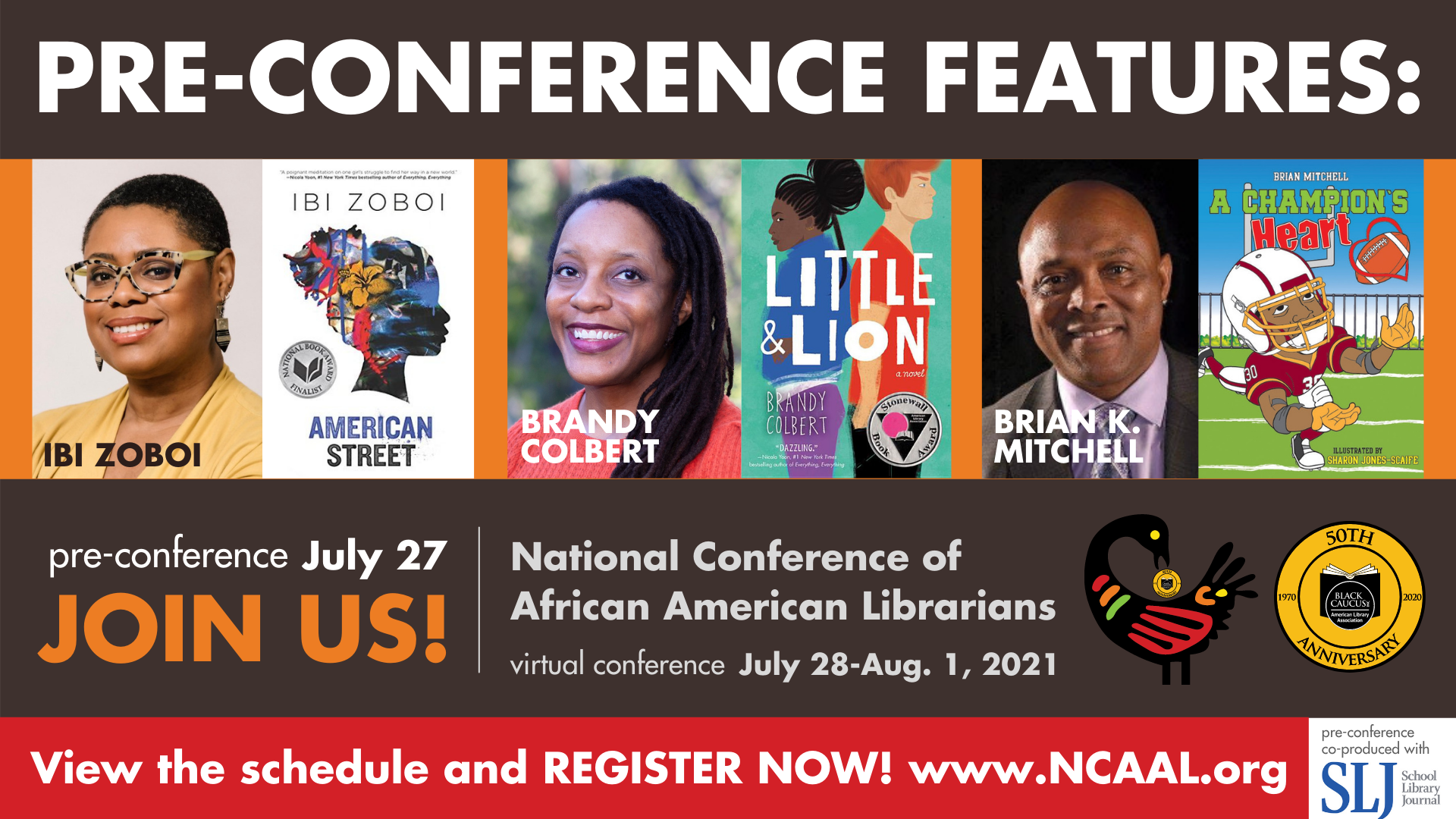
Geared for K–12 teachers and school and public librarians, the July 27 workshop will explore practical ideas for using award-winning books and innovative programming that celebrate the Black experience.

With COVID abating, the mood is palpably lighter. Not so for Asian Americans, who fear a return to school and work—just 18 percent of Asian eighth graders returned to in-person classrooms this spring. Schools and employers must take specific action to protect AAPIs from hate, say advocates, with alternatives to more policing.
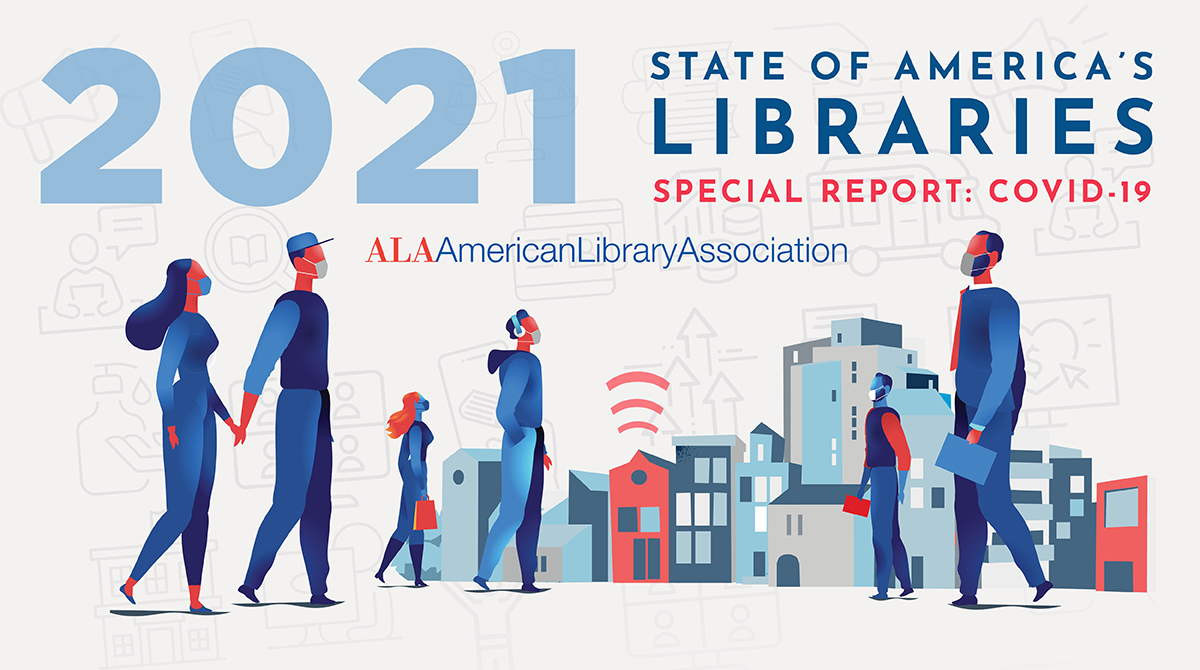
In 2020, school and public libraries pivoted and innovated to meet the needs of students and patrons during the concurrent pandemic, social justice uprising, and volatile political divide, according to ALA's report.
This is the time to re-make librarianship in the long term. Here's how some leaders are doing it.
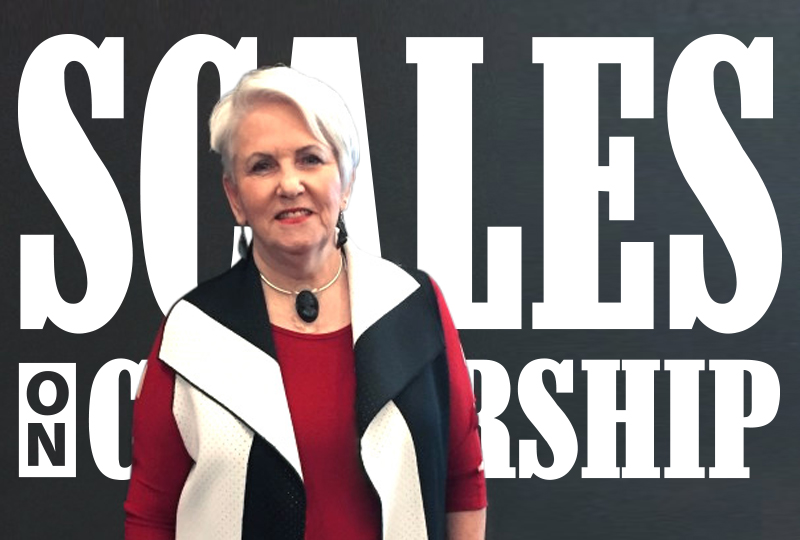
Ensuring that all students have access to reading material during remote learning; adjusting expectations for student research; fielding questions about Little Free Libraries.
ALREADY A SUBSCRIBER? LOG IN
We are currently offering this content for free. Sign up now to activate your personal profile, where you can save articles for future viewing
ALREADY A SUBSCRIBER? LOG IN
Thank you for visiting.
We’ve noticed you are using a private browser. To continue, please log in or create an account.