Programs & Programming
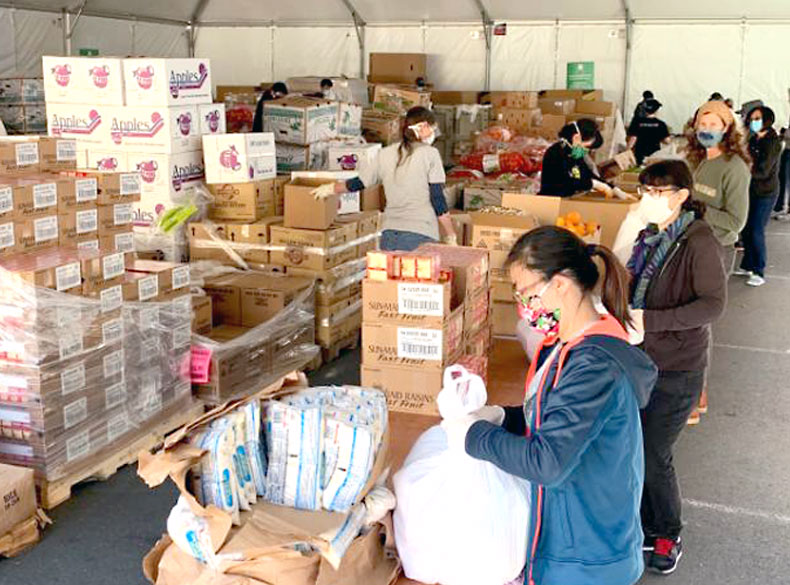
In San Francisco, employment agreements say that librarians can be deployed as disaster workers. Elsewhere, librarians voluntarily pitch in to help municipalities.
Spring research season is here. Adjust your practice to ensure students have a rich and meaningful immersion while working on year-end projects.
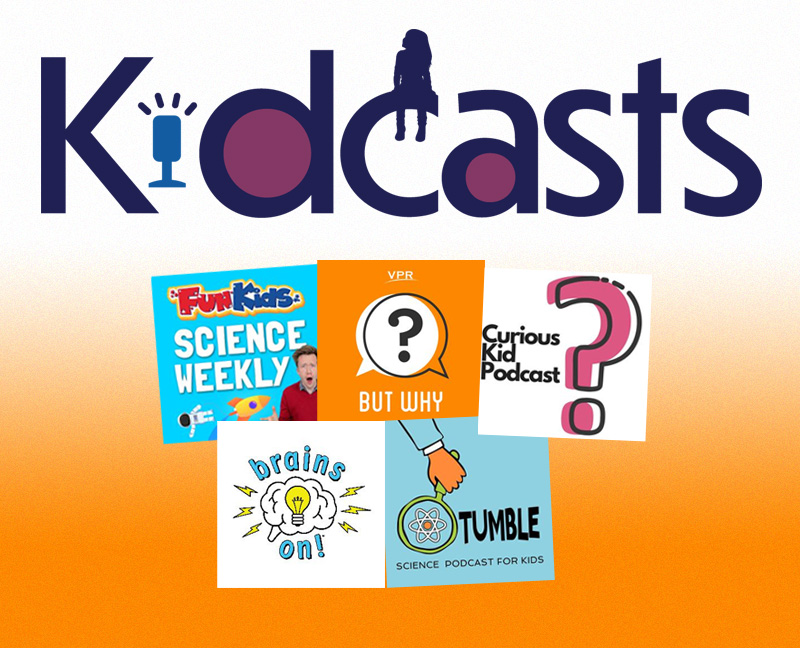
Children lead the conversations in many of these informative, family-friendly episodes about the novel coronavirus. The first of a 10-part series of curated podcast playlists on different topics.
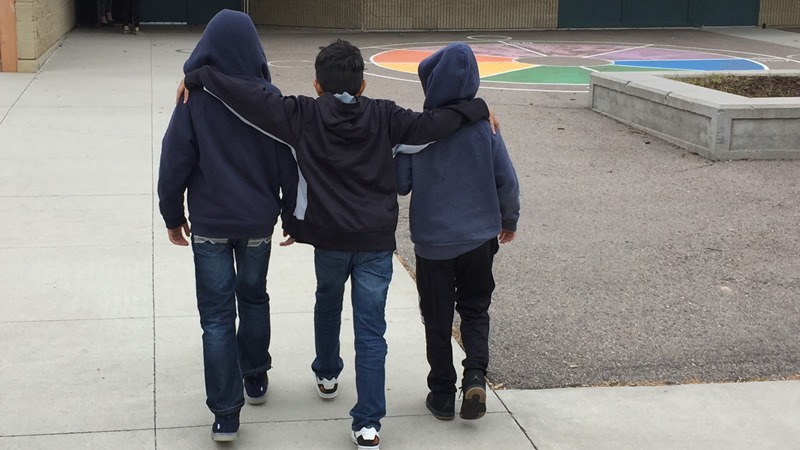
A summer initiative allowed Denver Public Library to evaluate competencies such as relationship skills, engagement, and problem-solving, which are difficult to gauge with drop-in public library programming.
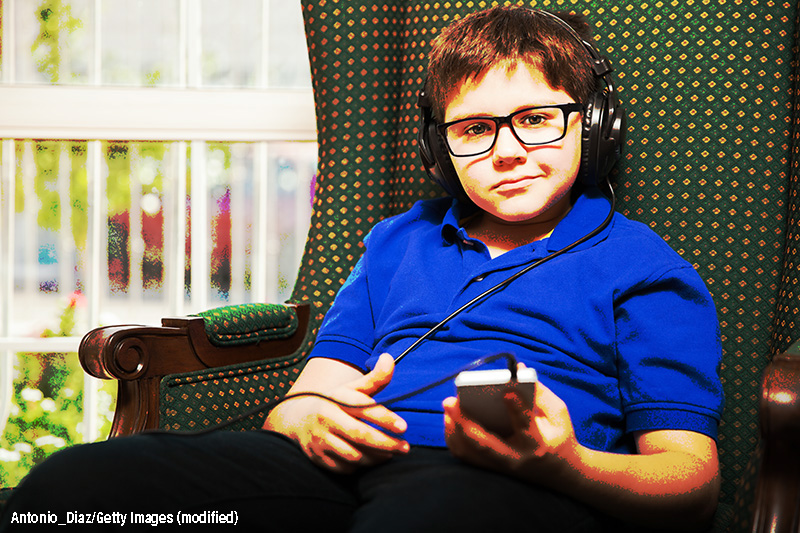
“Imagine Your Story” is the focus of this year’s Collaborative Summer Library Program. These podcasts for elementary, middle, and high school students will keep their imaginations active.

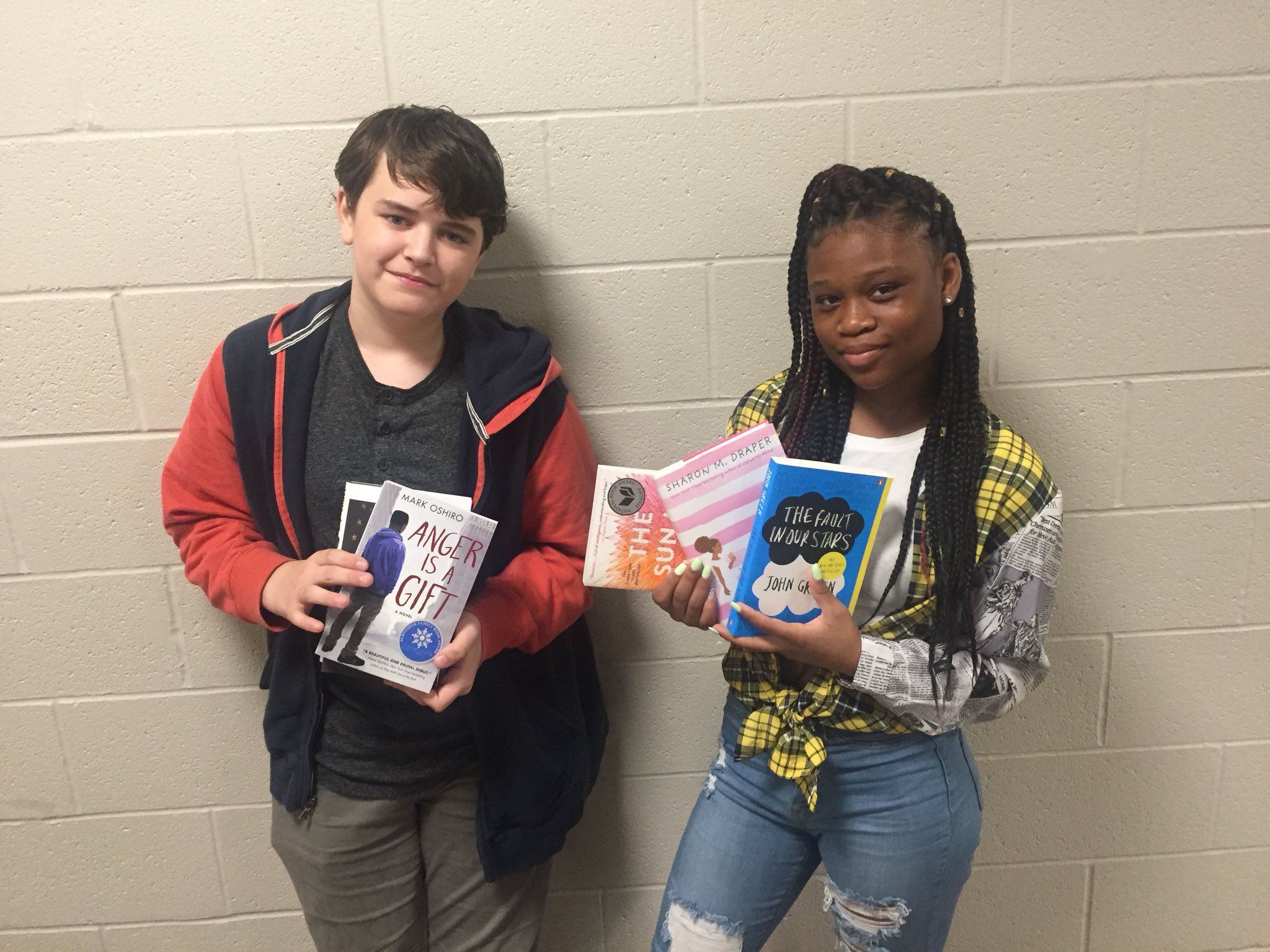
Tuscaloosa City Schools centered librarians in literacy efforts and has boosted reading engagement, raised test scores, and reinvigorated staff. The program's success can be a model for others, especially as schools and educators will need to come together to overcome the probable academic slide from school closures.
Things to bear in mind when your library re-opens for programming: Opportunities for self-expression, games, and makerspaces are a draw. Anything school-like is not.
The changes the coronavirus pandemic has brought to education are just beginning. Use these strategies to support your students and yourself during this time.
ALREADY A SUBSCRIBER? LOG IN
We are currently offering this content for free. Sign up now to activate your personal profile, where you can save articles for future viewing
ALREADY A SUBSCRIBER? LOG IN
Thank you for visiting.
We’ve noticed you are using a private browser. To continue, please log in or create an account.