Professional Reading
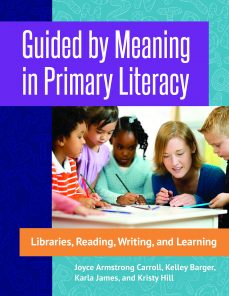
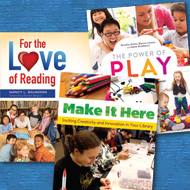
This month’s titles have you covered, from reinvigorating storytimes to providing information on the importance of play.

The push to incorporate informational texts into instruction offers teachers and librarians an opportunity to tap into young readers ’curiosity about the natural world. Three recent publications with a focus on the selection and use of science-related texts in the classroom and for programming are timely aids for teachers and librarians.
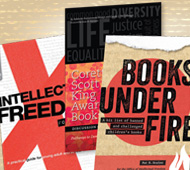
The latest professional reading encourages bringing dynamic, diverse, and innovative materials to patrons, from Pat Scales’s Books Under Fire to Adelaide Poniatowski Phelps and Carole J. McCollough’s Coretta Scott King Award Books Discussion Guide.
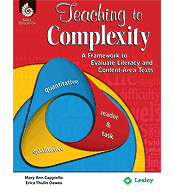
When it comes to measuring text complexity, teachers and librarians know it’s not just about attaching a particular lexile number or other quantitative label to a book jacket. A new, practical tool walks educators through the process of selecting the best texts for instruction.
Does cramming for exams work? Are there benefits to testing? What type of projects encourage deeper understanding? New research in brain and cognitive science offers insights into adolescent behavior and learning with significant implications for both students and teachers.
Check out Betsy Byrd’s much-anticipated Wild Things, a look at children’s literature through the ages. Hoping to enhance your storytimes? Try Saroj Nadkarni Ghoting and Kathy Fling Klatt’s STEP into Storytime.
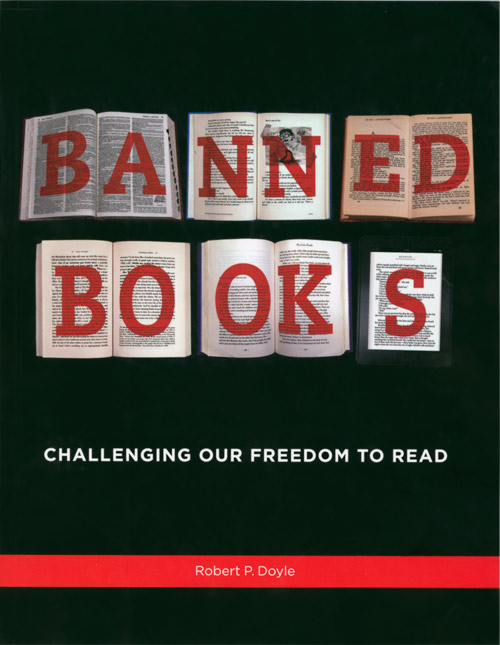
Encourage children and teens to read a banned or challenged book isplay of titles by Dav Pilkey, Louise Fitzhugh, Pura Belpré, Rainbow Rowell and other popular authors deemed "inappropriate" at one time or another.
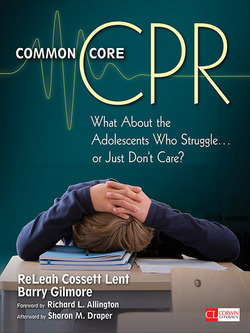
With solid advice and practical examples, two recent professional titles advocate student-centered approaches that support struggling learners as they gain confidence and increase proficiency.
53 articles
ALREADY A SUBSCRIBER? LOG IN
We are currently offering this content for free. Sign up now to activate your personal profile, where you can save articles for future viewing
ALREADY A SUBSCRIBER? LOG IN
Thank you for visiting.
We’ve noticed you are using a private browser. To continue, please log in or create an account.