Opinion
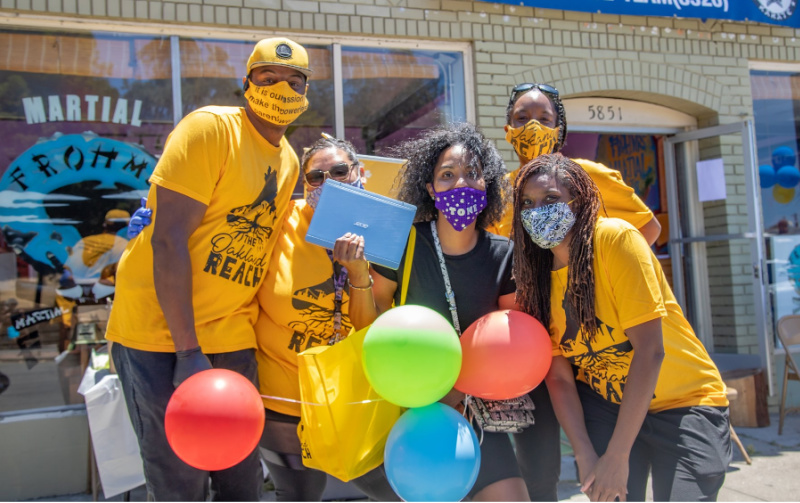
Seven months of learning loss. That’s the impact wrought by the pandemic, and low-income, Black, and Latinx children stand to suffer the most. Some cities are adapting the pod concept, working with community partners to serve at-risk students.

"Now is an especially critical time to inform readers," writes Kathy Ishizuka, SLJ editor in chief. "That means publishing stories centered on the people who power libraries and schools. We are here for it, and we hope you are, too."
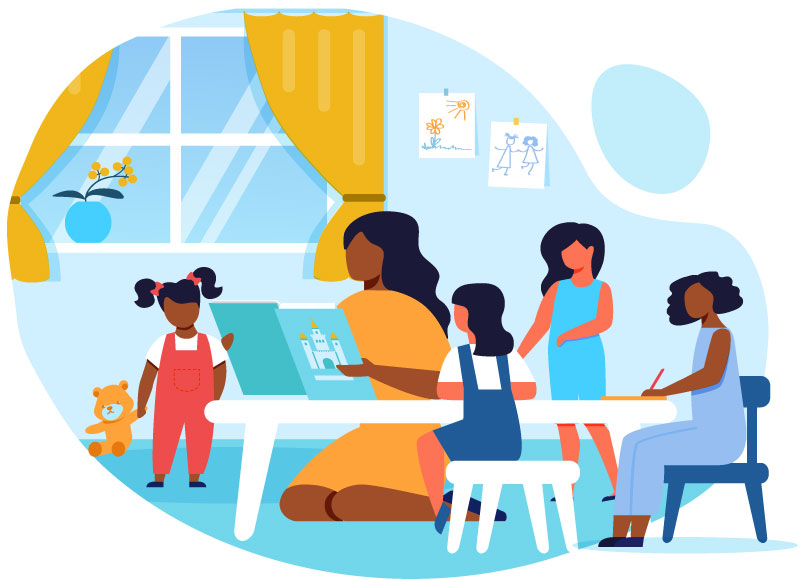
In quarantine, read-alouds remain a powerful way to engage young readers and support their long-term reading growth.
Concerns about challenged summer reading during quarantine; Most Challenged Books & LGBTQIA+ topics; banned books that will engage students.
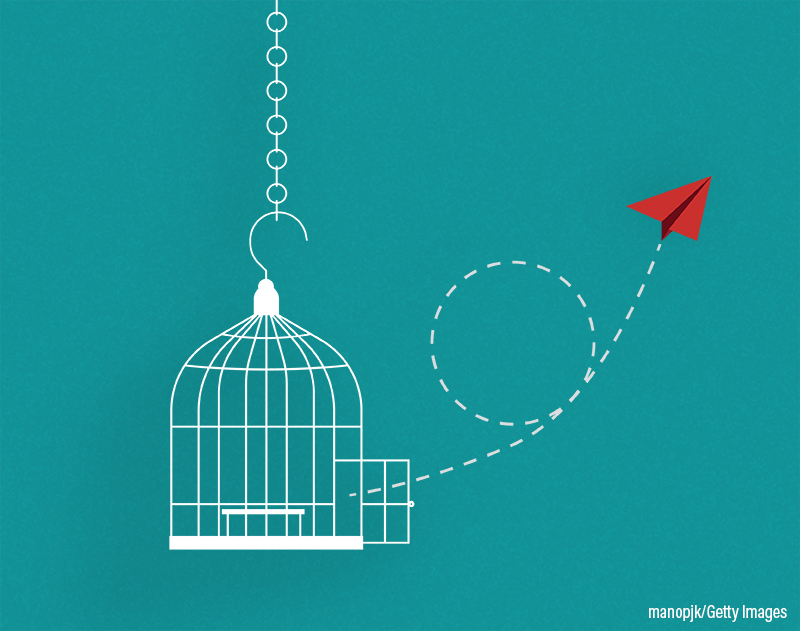
Make equity about people, not stuff. Rethink library policy. More than 120 library staff have signed on to advance next steps in the COVID-19 Reimagining Youth Librarianship project, a crowdsourcing effort to create a framework for youth services during times of crisis.

While we're rethinking everything, how would you better serve youth in your community? SLJ is supporting a project to devise a new, crowdsourced vision for libraries.
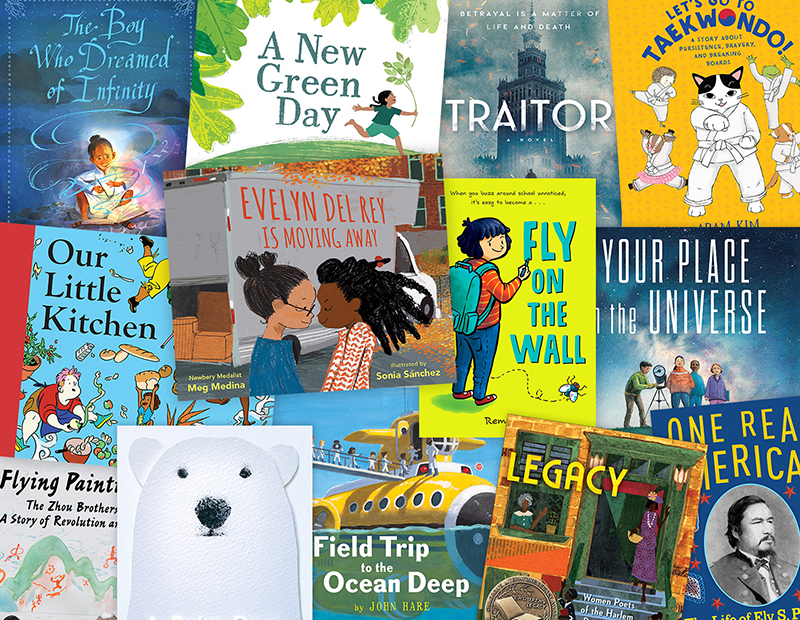
Meg Medina, Jason Chin, Nikki Grimes, and other creators discuss how quarantine life has impacted their imaginations and work.
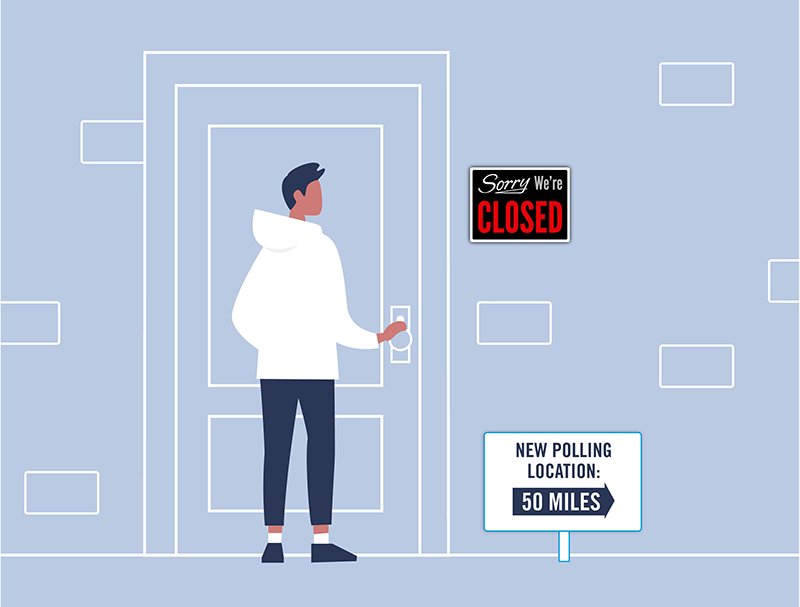
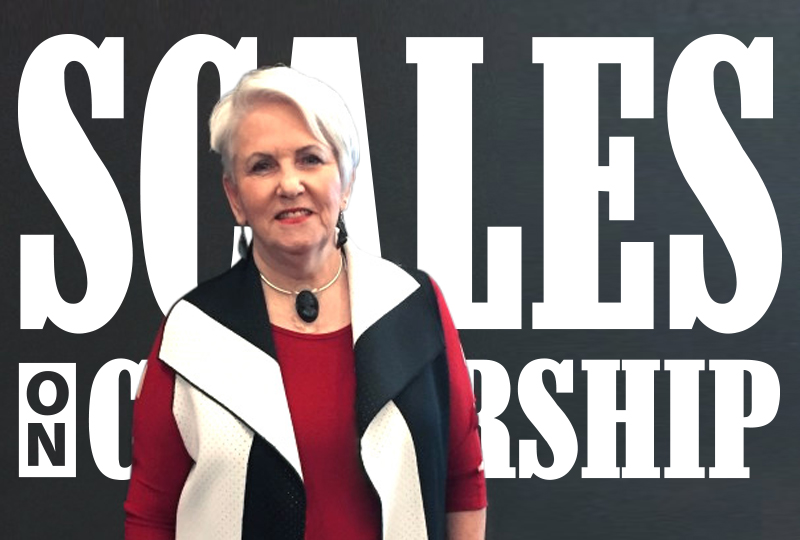
Learning to read is a constitutional right, but functional literacy has never been equitably attained by Americans, says Miller. Here she offers tools of empowerment that enhance information and civic literacy.
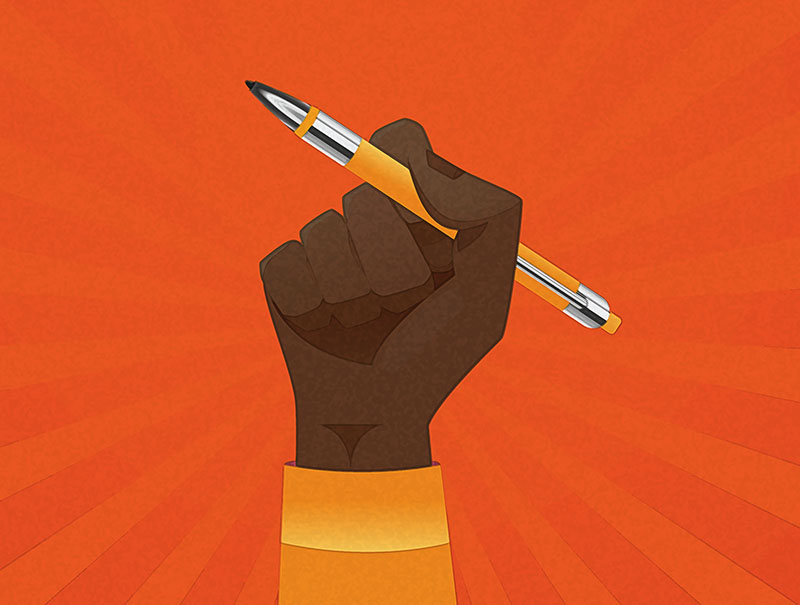
The viral hashtag #PublishingPaidMe has revealed the glaring disparities in author advances. It's not enough to publish books created by authors of color; change needs to happen on all levels.
ALREADY A SUBSCRIBER? LOG IN
We are currently offering this content for free. Sign up now to activate your personal profile, where you can save articles for future viewing
ALREADY A SUBSCRIBER? LOG IN
Thank you for visiting.
We’ve noticed you are using a private browser. To continue, please log in or create an account.