News & Features
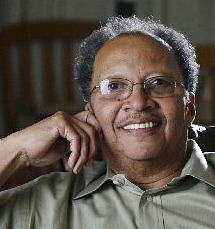
"We haven’t just lost a great author. We’ve lost a man that filled a very great need in our children’s literary landscape," writes Betsy Bird.
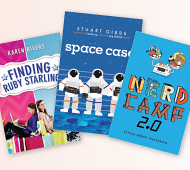
Three tales of sibling rivalry, sibling discovery, and mysteries on the moon to keep middle grade readers entertained during the summer.
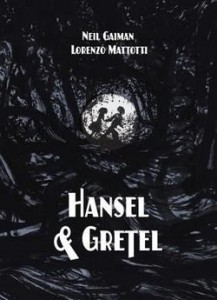
Thousands turned up for author Neil Gaiman’s performance at Carnegie Hall on June 27. The evening was touted as a “multimedia storytelling event” and showcased the prolific author’s premiere U.S. reading of The Truth Is a Cave in the Black Mountains and Hansel and Gretel accompanied by visuals and a live score.
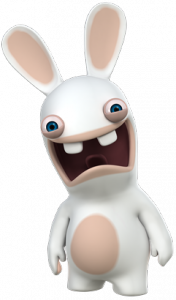
While scrolling through my twitter feed, I came across a tweet from Papercutz. It was a cross post from Tumblr, reblogging a tumble from author Eric M. Esquivel, announcing he would be launching of a new graphic novel series with Papercutz featuring Rabbids. What are Rabbids you may ask? If you don’t have tweens or [...]

Increasing diversity isn’t simply the responsibility of publishers. While they should make a conscious investment in seeking diverse voices, parents have a major role in nurturing children's desire to tell their own stories.

Today’s youth gravitate to YouTube, computers, and gadgets more than books. We need more diverse audio and visual material, so kids can listen and watch on their desktops and devices.

Diverse books shouldn’t be considered special interest or shelved in a separate area, yet they are by the majority of us. I challenge all parents, caretakers, and educators to take a hard look at themselves for internalized biases that may affect the way they look at children’s books.

I admit it. I’ve said in confidence to more than one struggling African-American author: “You could always write about slavery or civil rights.” They all looked at me the same way I probably looked at the guy who told me to retreat in time and reach for a tomahawk.
1,967 articles
ALREADY A SUBSCRIBER? LOG IN
We are currently offering this content for free. Sign up now to activate your personal profile, where you can save articles for future viewing
ALREADY A SUBSCRIBER? LOG IN
Thank you for visiting.
We’ve noticed you are using a private browser. To continue, please log in or create an account.