News & Features
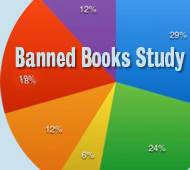
In an informal study of the top banned books since 2000, young adult author and Diversity in YA cofounder Malinda Lo reveals that 52 percent of challenged titles have diverse content or are written by a diverse author.
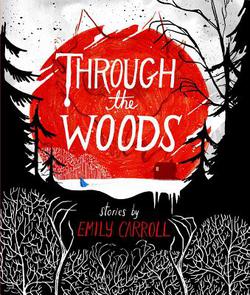
Spellbinding, shocking, and satisfyingly spooky, creepy tales will rivet readers and raise goose bumps galore. They can also be shared in secondary classrooms to introduce and explore basic short story elements, discuss narrative voice, and analyze point of view.
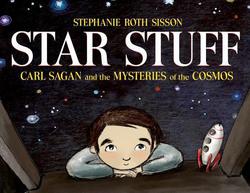
New picture book bios by Barb Rosenstock, G. Neri, Jen Bryant, and others, lead this fall's star studded lists.
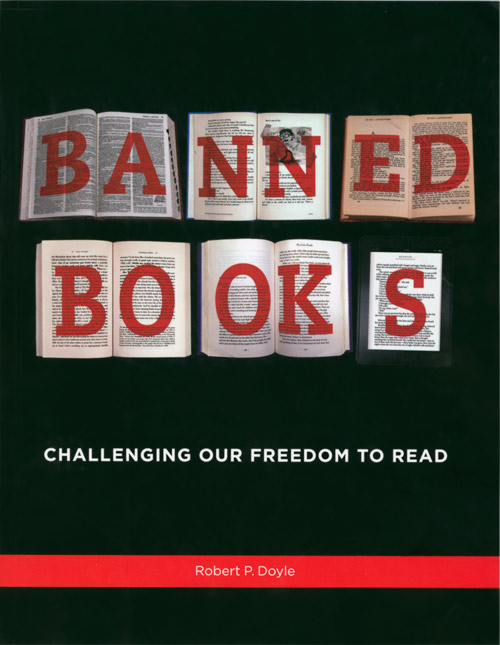
Encourage children and teens to read a banned or challenged book isplay of titles by Dav Pilkey, Louise Fitzhugh, Pura Belpré, Rainbow Rowell and other popular authors deemed "inappropriate" at one time or another.
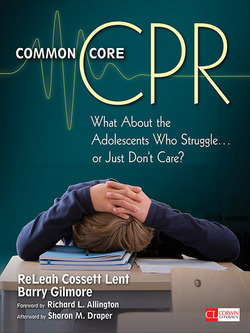
With solid advice and practical examples, two recent professional titles advocate student-centered approaches that support struggling learners as they gain confidence and increase proficiency.

Since the 1940s, critics have claimed that comic books and graphic novels corrupt youth by breeding immorality, sexual deviance, and violence. There's still opposition.
In a small seaside town there is a legend: Once every 60 years the Yashiro family receives a mermaid’s egg. They protect and care for it, and in exchange, the mermaids give the town calm seas and good fishing. The tradition is threatened now by a large commercial developer that wants to turn the town [...]
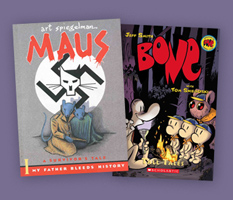
To kick off Banned Books Week 2014—celebrating graphic novels—SLJ presents a list of 10 frequently challenged titles in this format.
Get the latest SLJ industry news roundup here: learn about Jay Asher's national anti-bullying tour; Ursula Le Guin will be honored by the National Book Foundation; and PBS has a tech initiative going on through November 30 that offers free tech how-tos and tablet giveaways.
1,967 articles
ALREADY A SUBSCRIBER? LOG IN
We are currently offering this content for free. Sign up now to activate your personal profile, where you can save articles for future viewing
ALREADY A SUBSCRIBER? LOG IN
Thank you for visiting.
We’ve noticed you are using a private browser. To continue, please log in or create an account.