News & Features

A panel of experts shared the best digital resources for better remote learning on SLJ's recent webcast Digital Resources for K-12: Learning in the Age of COVID.
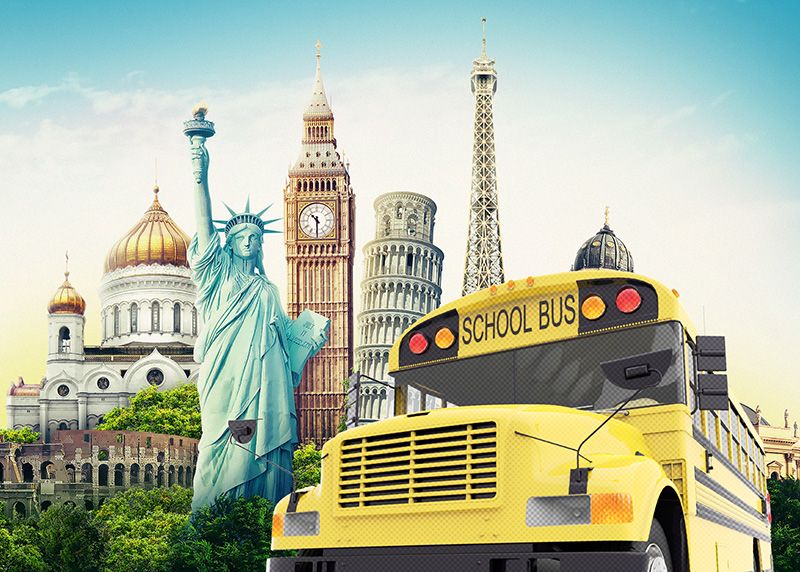
These virtual experiences can closely connect to the curriculum, whether that means chatting with an astrophysicist or visiting the Schindler factory in Poland.
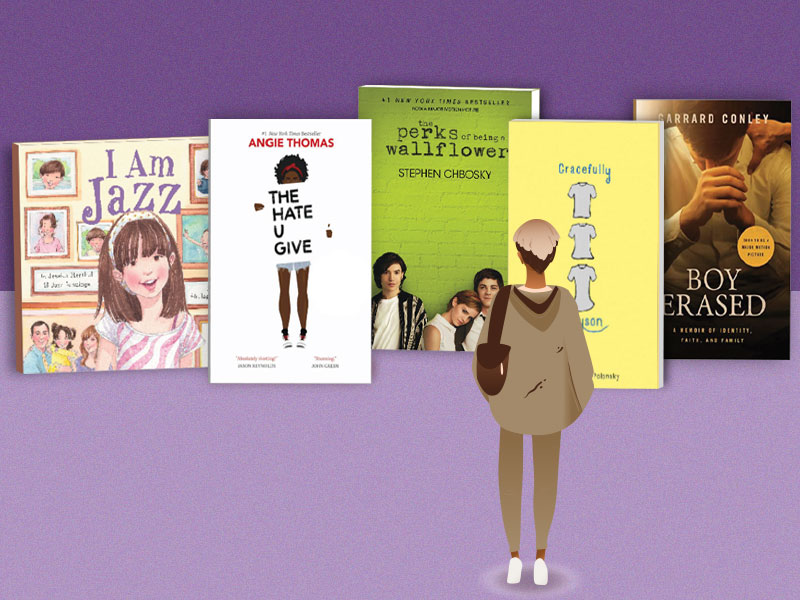
Teachers don't usually ask their students what they should teach. A middle school English teacher gained important insights when she spoke with her students about the kinds of books they want to read in class.
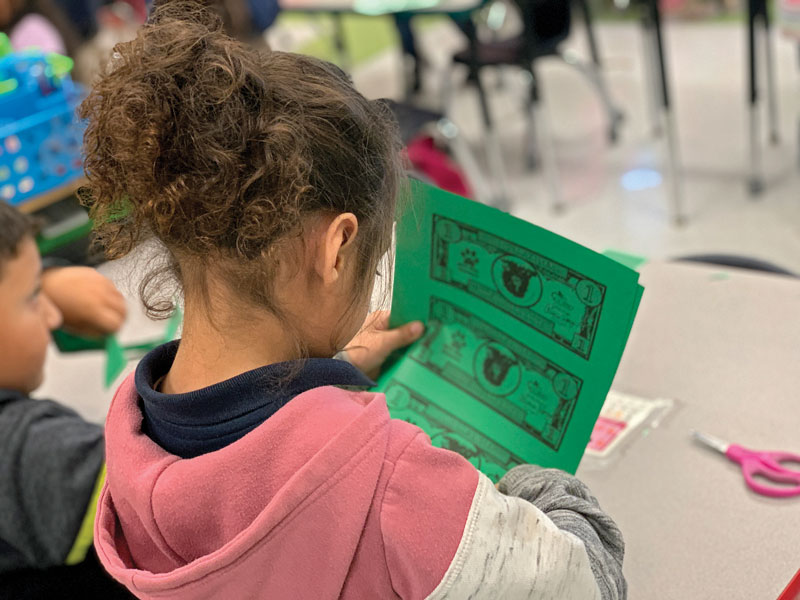
April is National Financial Literacy Month. Libraries are doing their part to educate young people about concepts from budgeting to interest to help them be more economically resilient.
Noting a need for connection now more than ever, Pernille Ripp announced the Global Read Aloud choices today.

A wealth of information is available about the Holocaust, but many students don't know much about it. Educators supplement curricula by exploring patterns of genocide and the power of propaganda.
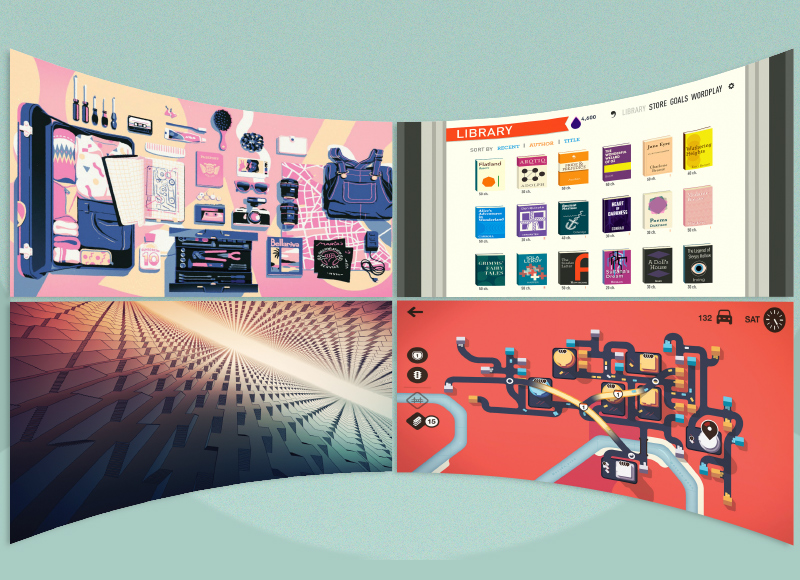
The relatively low-priced subscription service offers an opportunity to try out a large selection of newly released titles.

These websites, books, and articles will help students dig deeper into the history of women’s suffrage.
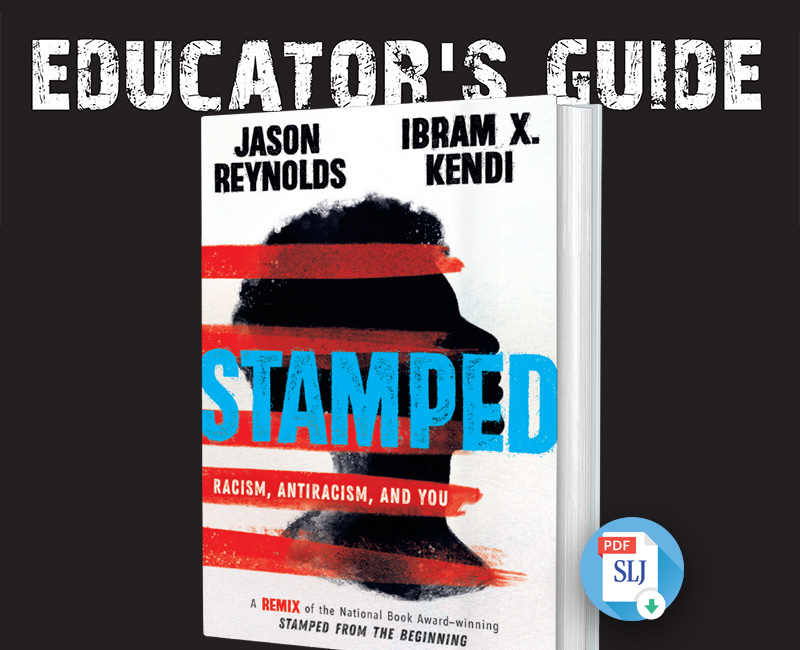
A curricular guide for Stamped: Racism, Antiracism, and You by Jason Reynolds and Ibram X. Kendi, geared for educators and students, ages 12 and up.
ALREADY A SUBSCRIBER? LOG IN
We are currently offering this content for free. Sign up now to activate your personal profile, where you can save articles for future viewing
ALREADY A SUBSCRIBER? LOG IN
Thank you for visiting.
We’ve noticed you are using a private browser. To continue, please log in or create an account.