News & Features
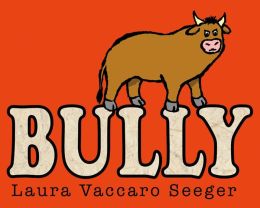
Like all youngsters, kids learning to read benefit from exposure to high-quality titles that blend well-written narratives with eye-catching illustrations. Formatted to support the needs of emergent readers, this year's crop of offerings also capture the interest and imaginations of their audience with enticing subject matter and stirring storytelling.
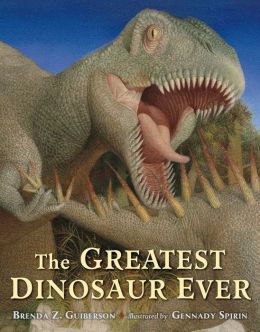
Medical experimentation, conflict resolution, disappearing honeybees, and dinosaurs are just some of the topics that make our list of nonfiction titles publishing this month that you'll want to share with students and teachers.

Not only did the 1963 assassination of President John F. Kennedy send a shock wave through the country, it was the first time the public watched on-air television coverage of an historic event as it unfolded. Fifty years later, today's students can learn about the president's life, death, and legacy through a number of quality books and online resources.

Join the National Council of Teachers of English (NCTE) November 21-24 in Boston for its 2013 Annual Convention! “(Re) Inventing the Future of English” is the theme for the event, which will offer teachers, librarians, administrators, curriculum coordinators, teacher educators, literacy coaches, reading specialists, and others more than 700 sessions, The topics range from general sessions featuring popular speakers and special presentations with well-known authors to sessions by classroom educators and full-day workshops that allow more in-depth exploration of a topic.

While many of us have thought about the interplay of art, text, and design in picture books, few of us have considered how the same elements work in nonfiction. It's time to talk about the decisions that go into choosing and using art in nonfiction.
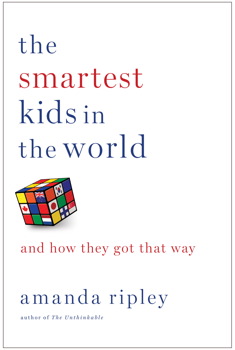
Amanda Ripley set off on a year-long “field trip to the smart-kid countries” to see if she could account for the success of the high achieving students around the world. What made these kids smarter than their American peers? The writer reports in 'The Smartest Kids in the World: And How They Got that Way' (S&S, 2013).

The fall publishing season is in full swing and with it comes a selection of stellar nonfiction to add to library and classroom collections.
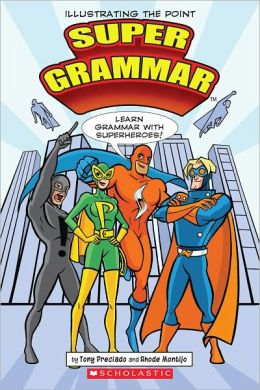
Making the reading-writing connection for students in the Common Core era requires models of good literature, a keen understanding of the text craft and structure, and solid skills in writing conventions. This season's crop of writing guides provides students with all of the above.
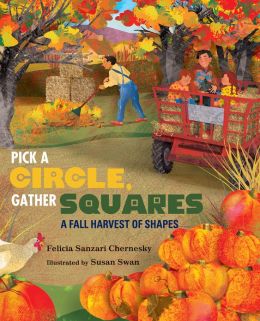
In addition to reinforcing some of the basics, the concept books highlighted here encourage kids to explore their familiar milieu with a fresh eye, hone observation skills and learn to note details, and begin to organize and categorize information. The stunning visuals and clever use of language exhibited in these offerings will also rouse imaginations and fortify vocabularies.
534 articles
ALREADY A SUBSCRIBER? LOG IN
We are currently offering this content for free. Sign up now to activate your personal profile, where you can save articles for future viewing
ALREADY A SUBSCRIBER? LOG IN
Thank you for visiting.
We’ve noticed you are using a private browser. To continue, please log in or create an account.