News & Features
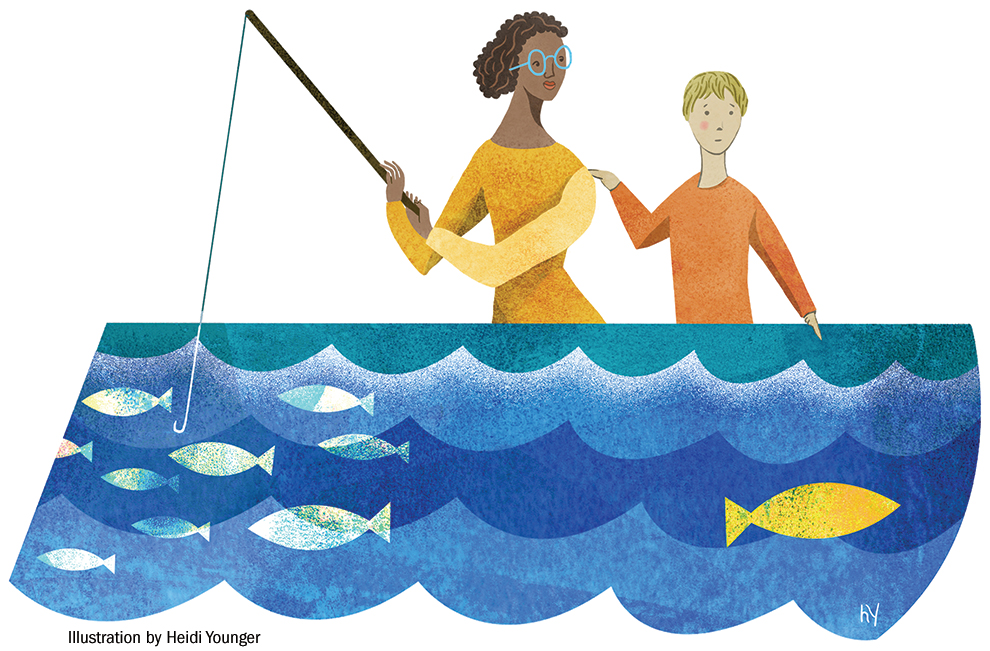
People with disabilities remain underrepresented, or misrepresented, in children’s literature.
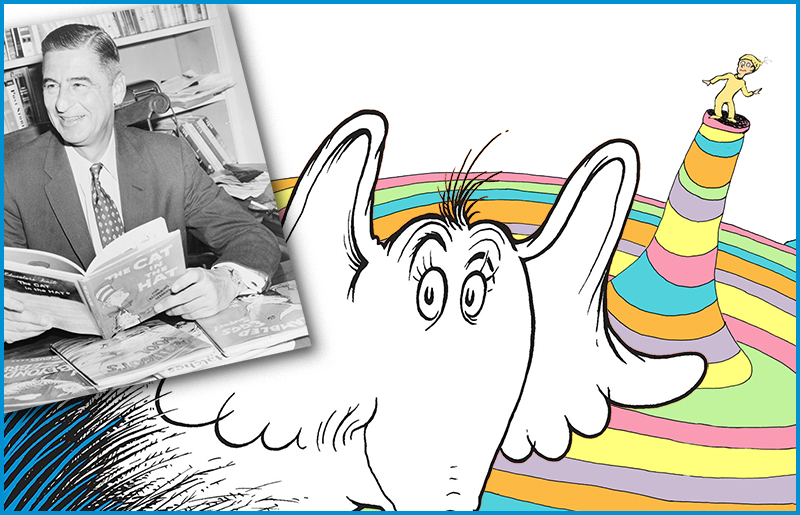
Paper published in Research on Diversity in Youth Literature questions representation in Dr. Seuss's children's books. Researchers Katie Ishizuka and Ramón Stephens cited racist and other problematic depictions in classic Seuss picture books, ranging from The Sneetches to Horton Hears a Who!.
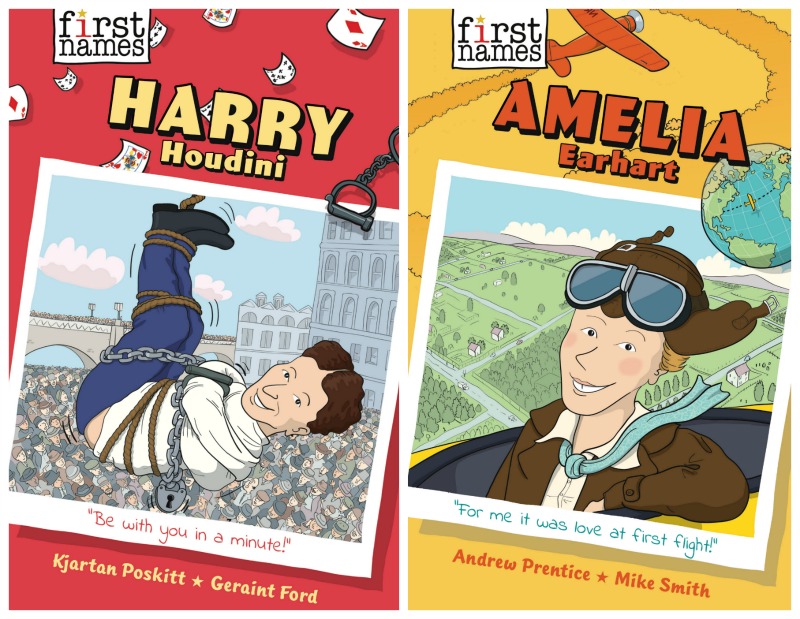
Abrams Children’s Books has announced a new series of biographies for middle grade readers: First Names. Eight books are planned and will cover historical and contemporary figures in a highly illustrated format, with titles on Harry Houdini and Amelia Earhart due August 2019.
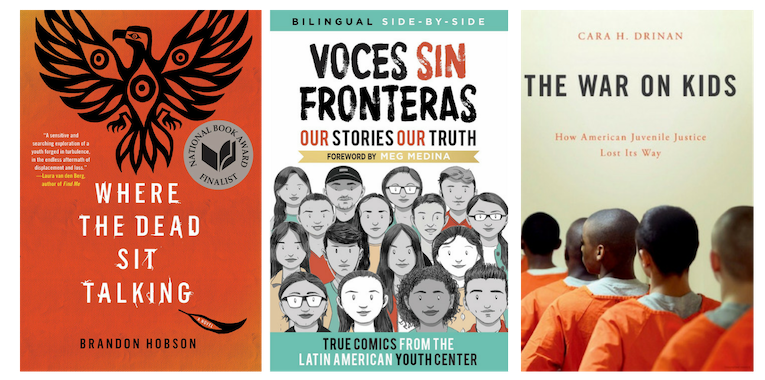
The In the Margins Book Awards honor the best books published over the preceding 18 months that appeal to the reading needs and wants of teens from marginalized backgrounds. The committee selected three top titles in the categories of Fiction, Nonfiction, and Advocacy. They also released their full Top 10 list.
The author's new graphic novel, about a black student enrolling in a predominantly white private school, tells powerful truths about racism and alienation with humor and heart.

Young people have always used a language of their own. But does that language belong on the page? Is it literary?
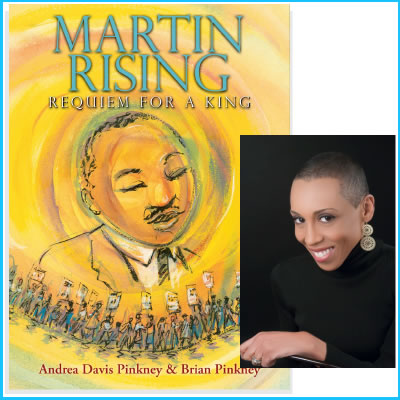
I was the child born into the loving arms of storytellers. Just weeks before I came into this world, Martin Luther King, Jr. delivered his landmark “I Have a Dream” speech as 250,000 believers listened to Martin’s hope for a better tomorrow. It was August 28, 1963.
Netflix has brought back Carmen Sandiego and, with her comes a series of books and series-related materials for educators. That and more industry news in NewsBites.
ALREADY A SUBSCRIBER? LOG IN
We are currently offering this content for free. Sign up now to activate your personal profile, where you can save articles for future viewing
ALREADY A SUBSCRIBER? LOG IN
Thank you for visiting.
We’ve noticed you are using a private browser. To continue, please log in or create an account.