Health & Wellness
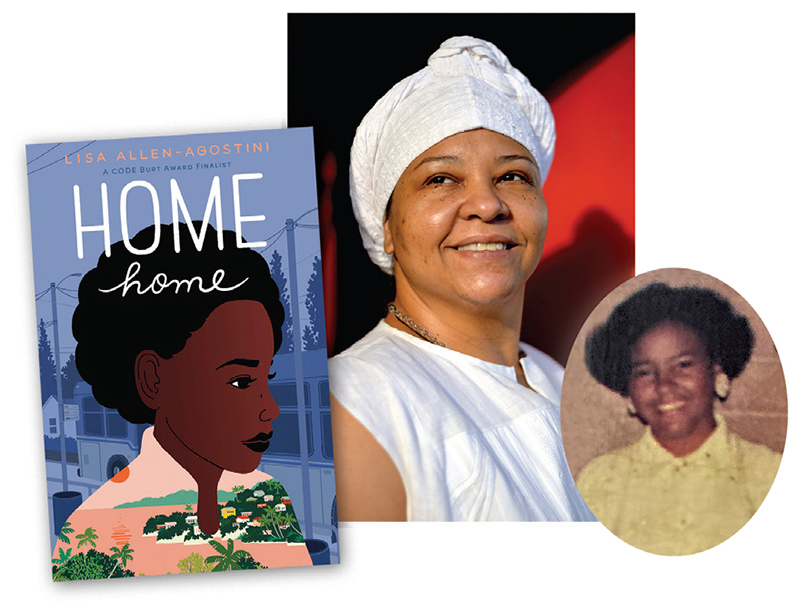
The author of Home Home stresses the importance of openly discussing mental health issues and offering hope to young people experiencing anxiety and depression.
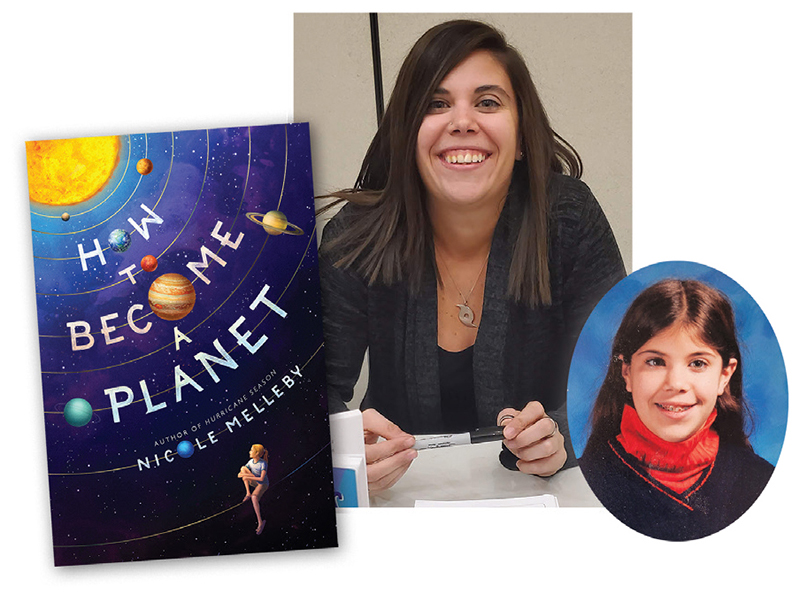
Pluto, the main character of Melleby's How I Became a Planet, just wants to love things again like she used to. Depression changes her, but with a support system and time, Pluto knows she will be okay.
While writing stories involving mental illness, the author of My Life in the Fish Tank strives to "still create fun, complex characters and entertaining plots that keep readers turning the pages."
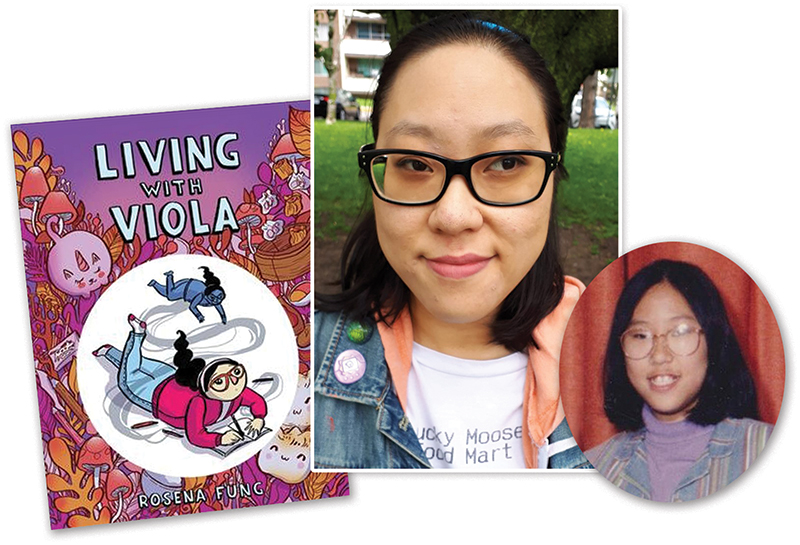
With empathy and wit, the creator of the graphic novel Living with Viola portrays anxiety as a malicious person who won't leave the main character alone.
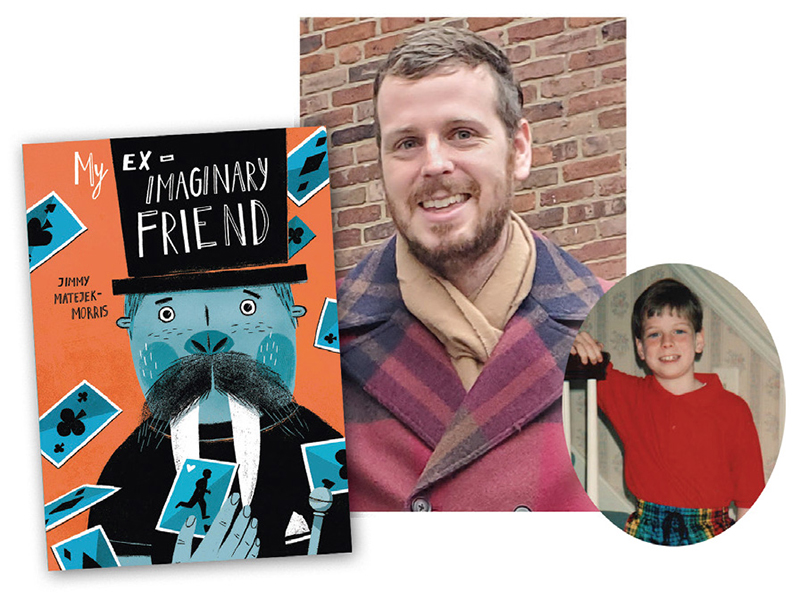
The author of My Ex-Imaginary Friend says that bookending funny chapters with ones including hard conversations "helped to show that even when things are tough, there is hope and humor on the other side."
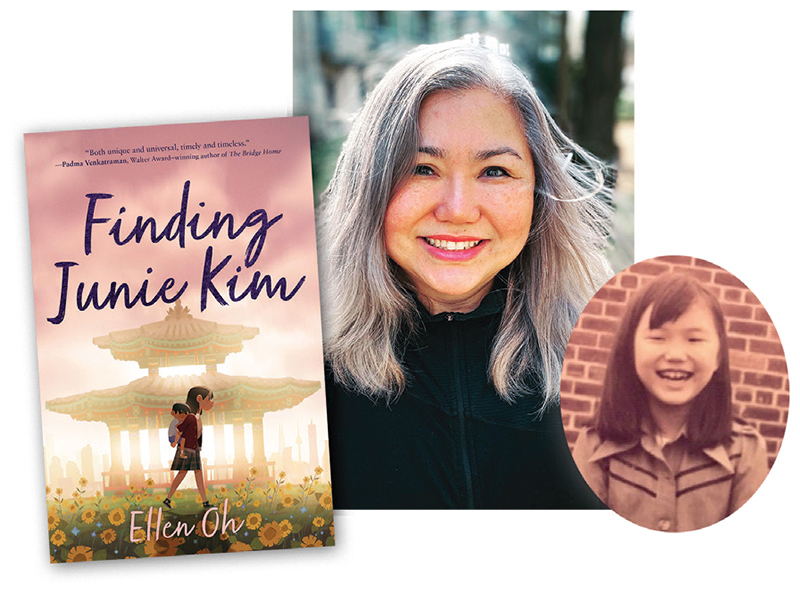
The We Need Diverse Books co-founder and author of Finding Junie Kim talks about mental health in fiction, her family, and the need for children to know help is available.
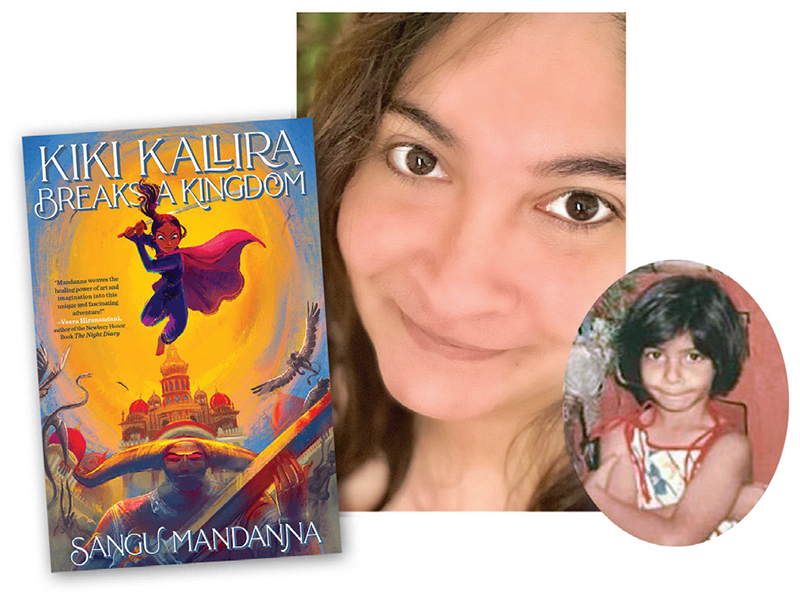
The author of Kiki Kallira Breaks a Kingdom discusses having obsessive-compulsive disorder as a child, the feelings of shame that came with it, and those who would try to keep stories about mental health from kids.
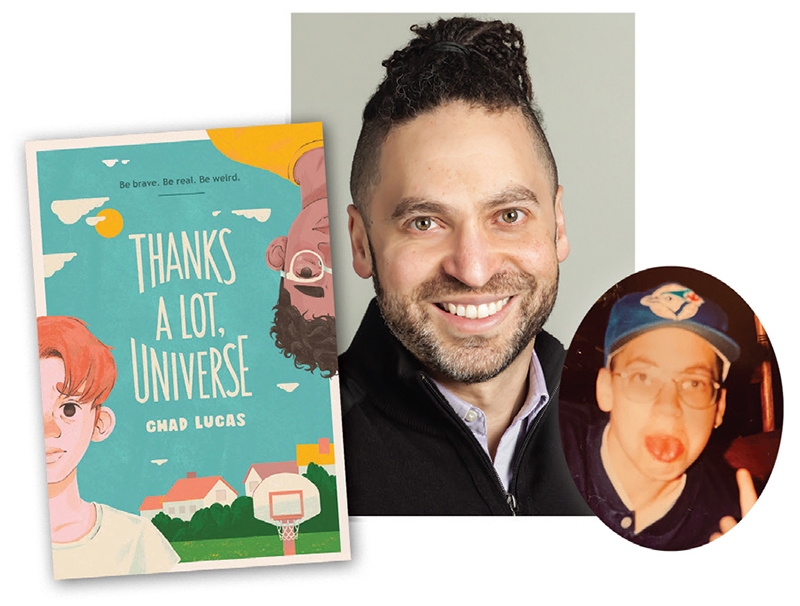
The author of Thanks a Lot, Universe discusses why he wrote the book and how his protagonist came to a point where he could say, "It's OK to talk about this."

While there is no substitute for comprehensive mental health care treatment, many young readers may discover comfort, validation, and the strength to ask for help in the pages of these books.
ALREADY A SUBSCRIBER? LOG IN
We are currently offering this content for free. Sign up now to activate your personal profile, where you can save articles for future viewing
ALREADY A SUBSCRIBER? LOG IN
Thank you for visiting.
We’ve noticed you are using a private browser. To continue, please log in or create an account.