Diversity
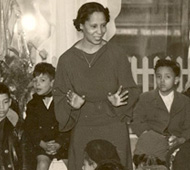
Tim Wadham shares how Pura Belpré, the first Latina librarian at the New York Public Library, was a pioneer in the library field and influenced services and literature for Spanish-speaking patrons.
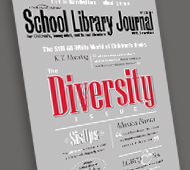
In this editorial, School Library Journal's editor-in-chief Rebecca Miller pays tribute to the Diversity Issue, which highlights the ongoing need for more diverse representation in books published for children and teens, provides practical guidance for librarians and teachers, and so much more.

Bank Street School librarian Allie Bruce found herself facing a complicated question from a sixth grader about the lack of minorities on YA book covers, starting with Julia Alvarez's Return to Sender. The question led Bruce on a year-long lesson on diversity in children's literature with a sixth grade class and—some surprising results.

The effects of the income gap are starkly evident in long-range studies of our youngest learners, making it critical for libraries to provide early learning services to those who need it the most: poor children.

"While some might see diverse books as limited, we have found the exact opposite is true when discovering each book’s marketing potential. We are open to trying different approaches, depending on what the book is about." Jason Low, Publisher, Lee & Low Books NOTE: SLJ Conversations is a sponsored supplement to SLJ's Extra Helping newsletter. This interview was commissioned by Lee & Low.
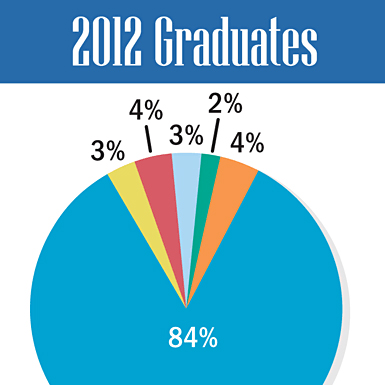
Our charts show the diversity of recent MLS grads vs. the general population.

One of the publishing industry’s biggest events is in hot water with readers and writers alike as the company has been taken to task for assembling a list of guests at the consumer-centric May 31st BookCon event that consists of 30 white writers. The lack of diversity drew fire on social media, where readers, writers, and book critics have weighed in on the pallid lineup as a symptom of larger problems the publishing industry has in addressing diversity.

New girl-friendly technology initiatives are challenging tech's boys-only culture.
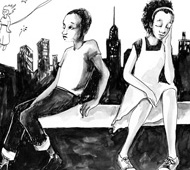
Nancy Larrick’s landmark 1965 study on race and children’s books was supposed to have been a wake-up call. Not much has changed.
1,403 articles
ALREADY A SUBSCRIBER? LOG IN
We are currently offering this content for free. Sign up now to activate your personal profile, where you can save articles for future viewing
ALREADY A SUBSCRIBER? LOG IN
Thank you for visiting.
We’ve noticed you are using a private browser. To continue, please log in or create an account.