Diversity
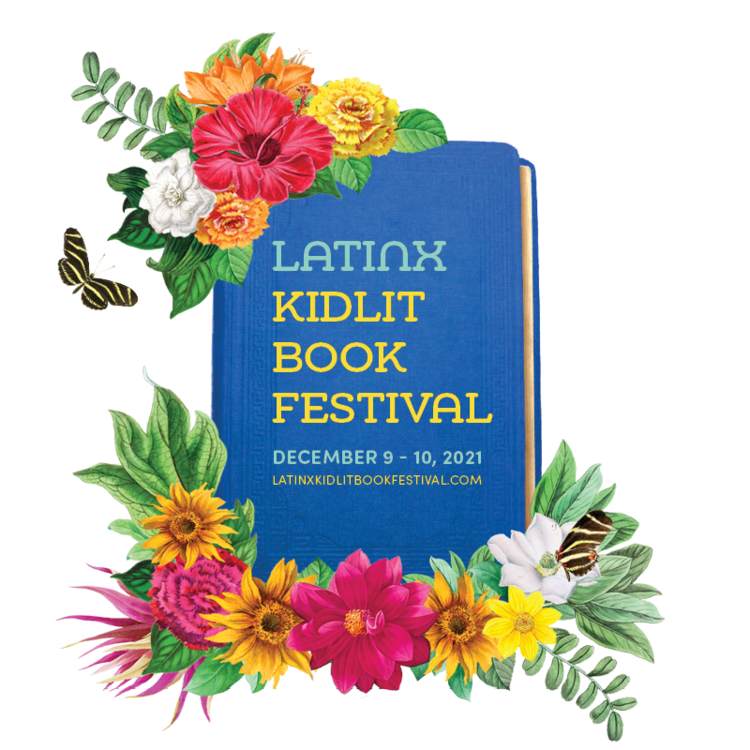
Margarita Engle, Meg Medina, Yuyi Morales, and Raúl the Third are just some of the children's literature creators set to take part in the free, virtual festival.
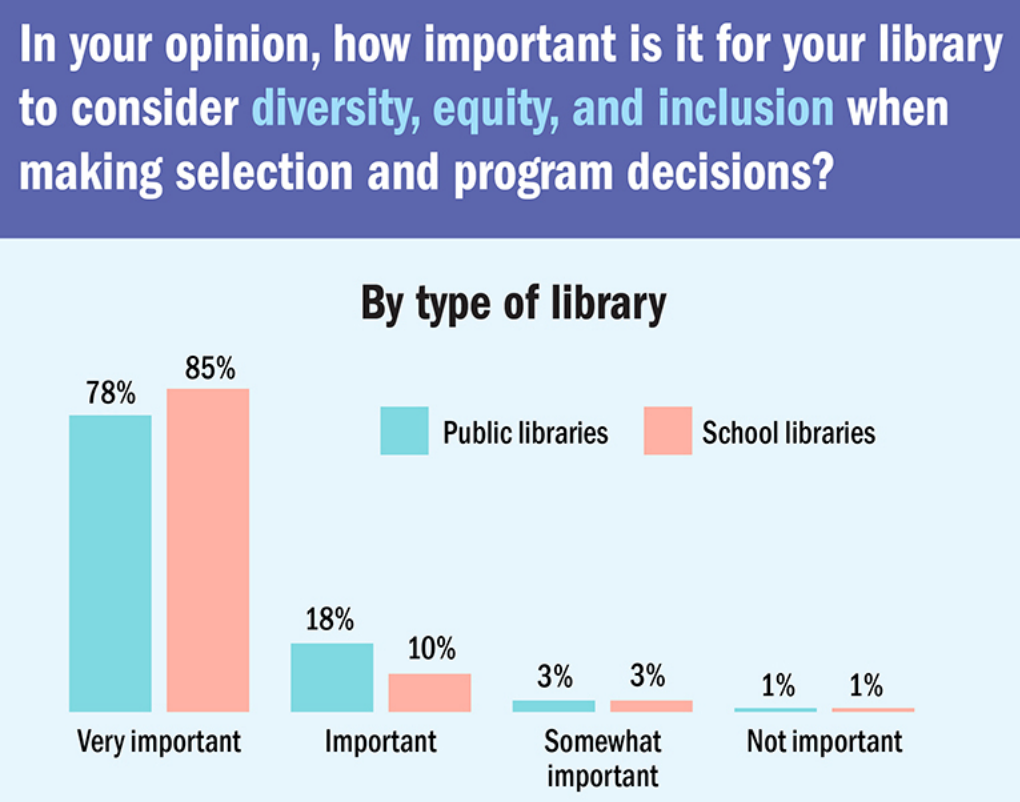
Nearly all librarians, school and public, consider EDI/DEI in collection development, according to SLJ's recent survey. Leadership however, drew criticism for paying lip service to these efforts or, in some cases, bending to patron pressure, without real support for diversity, equity, or inclusion.
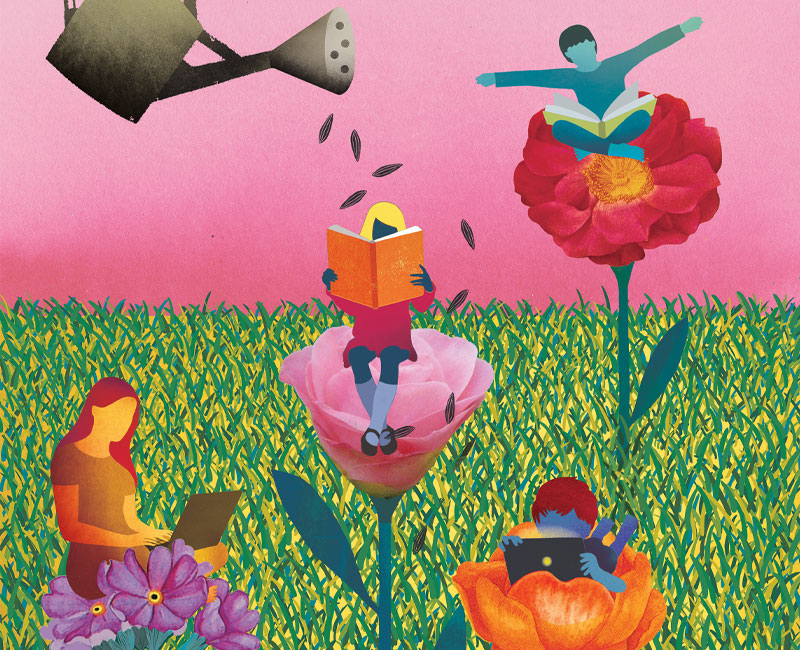
How can schools and their library programs buffer the effects of poverty and economic hardship? Here are original, crowdsourced ideas from across the nation.
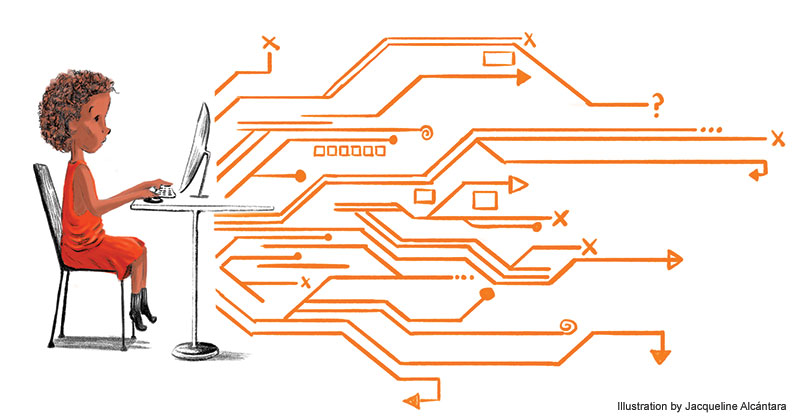
Initiatives like Gale’s Bias Review Project and World Book’s Sensitive Language Project aim to identify poorly represented content areas and correct outdated language.
The after-school program, which is not affiliated with the 1619 Project, will begin in Hannah-Jones' hometown of Waterloo, IA. The curriculum will be available for free to anyone next year.
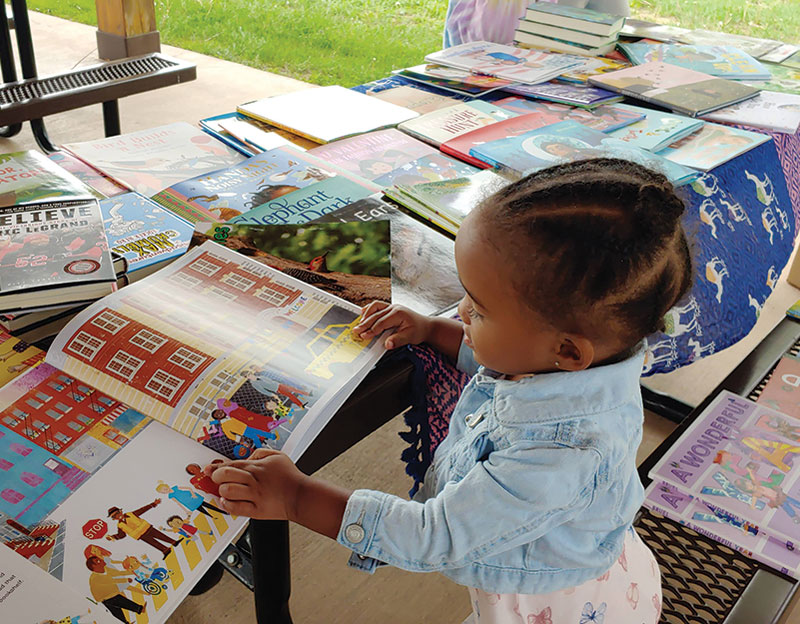
These librarians provide books and a sense of belonging to marginalized students and those academically behind, living in poverty, or facing other difficulties.
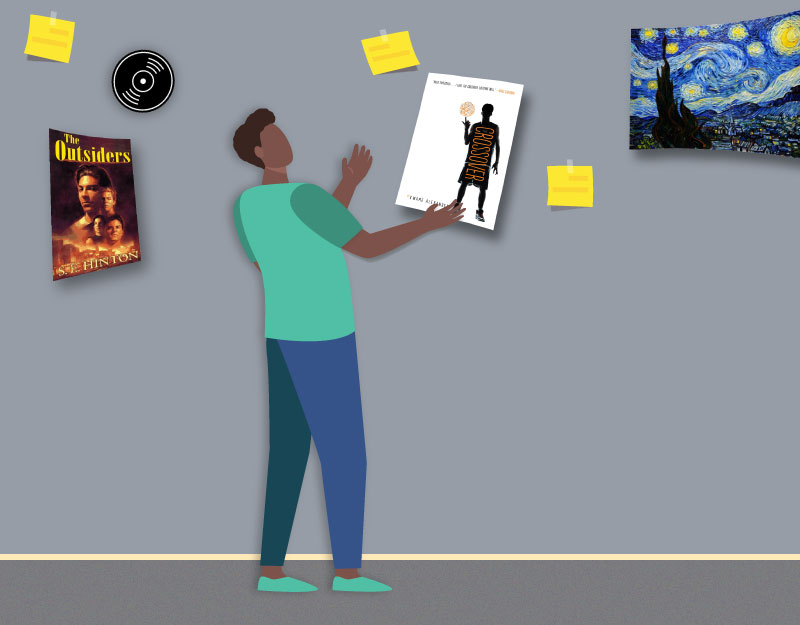
Invite students into thoughtful reflection on the relationship between the texts they read and their own emerging sense of self.
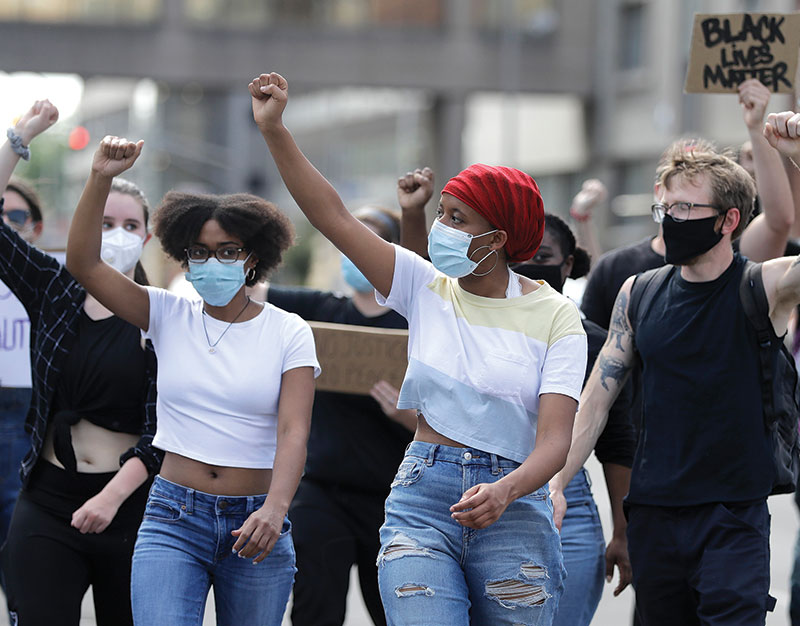
Over the past year across the country, educators have altered lesson plans and curricula to address racial injustice, historically and today.
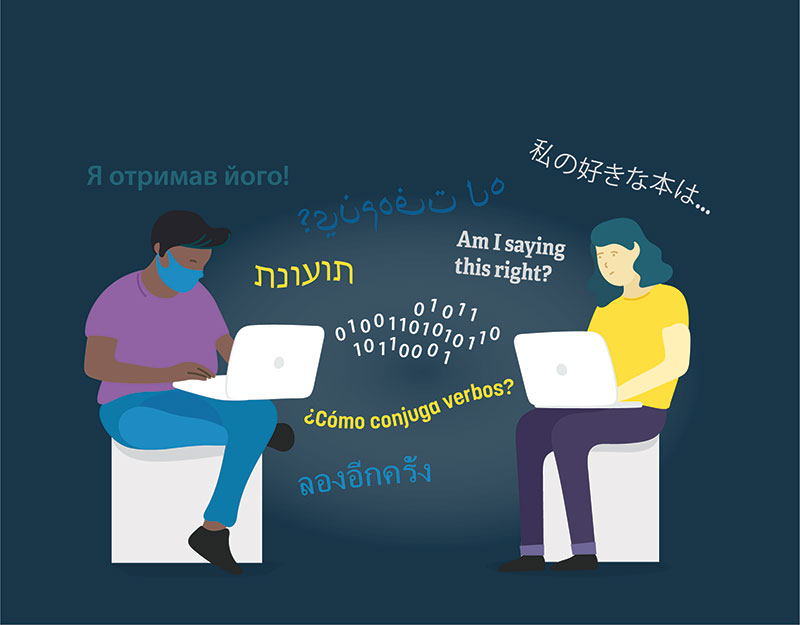
Educators have used targeted intervention and innovative tech approaches and offered social-emotional support.
ALREADY A SUBSCRIBER? LOG IN
We are currently offering this content for free. Sign up now to activate your personal profile, where you can save articles for future viewing
ALREADY A SUBSCRIBER? LOG IN
Thank you for visiting.
We’ve noticed you are using a private browser. To continue, please log in or create an account.