Classroom

Revising curricula and using resources from Black Lives Matter at School, the 1619 Project, and more is a key element of addressing systemic racism in education.

Educators greet returning students and ease their anxieties while addressing the COVID slide.

While considering research material, students need to talk about whose voices are not at the table and think critically about how sources came to be.

Help smooth the path from in-person to online making.
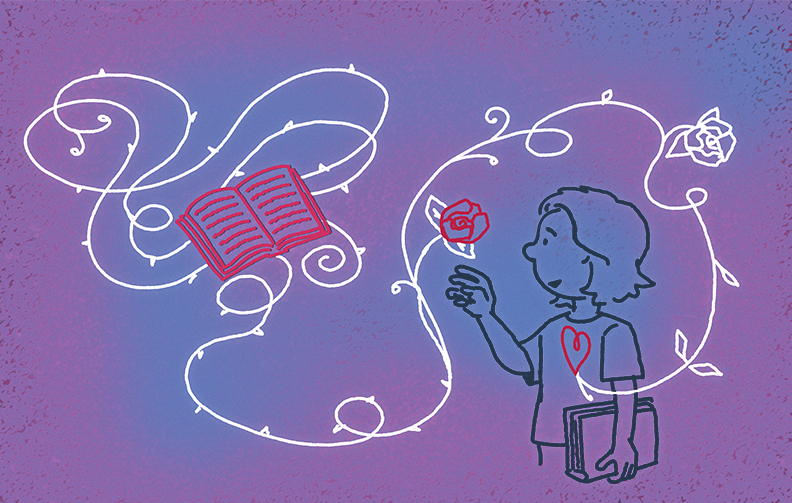
Help students approach critical reading and character inferences in a way that doesn't center the reader's experiences and interpretations.
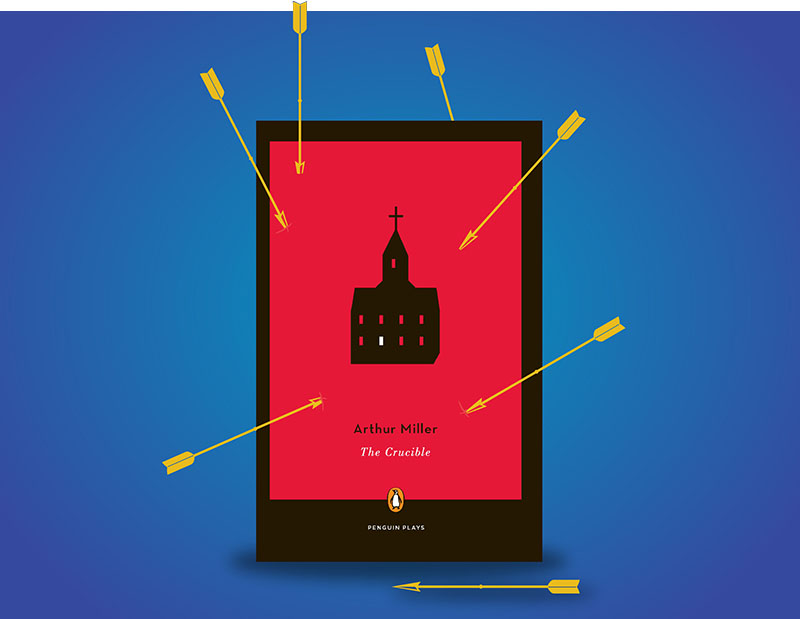
The play about the Salem witch trials presents a moral dilemma, but it's another canonical work centering the white, Christian, male perspective. Here are suggestions for discussion and alternate works.

The News Literacy Project senior vice president for education and SLJTeen Live! lunchtime speaker answers your queries.
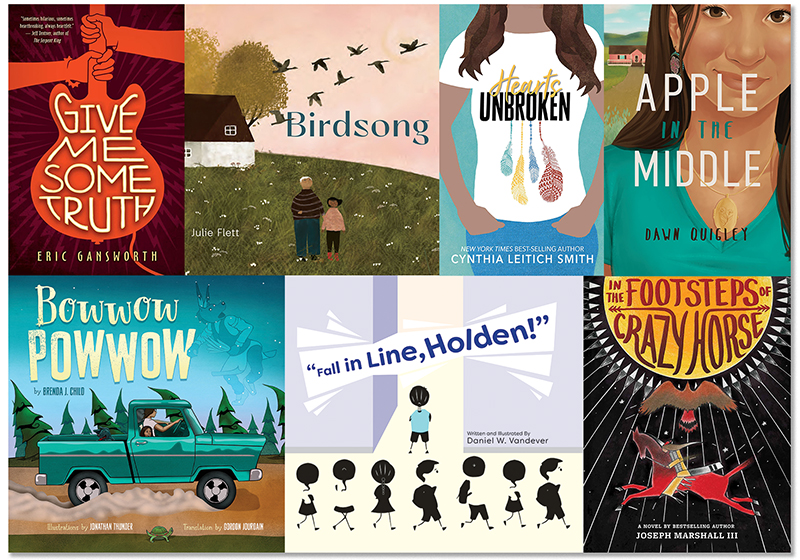
Use these instructional suggestions while reading these titles by Native authors about tribal nations.
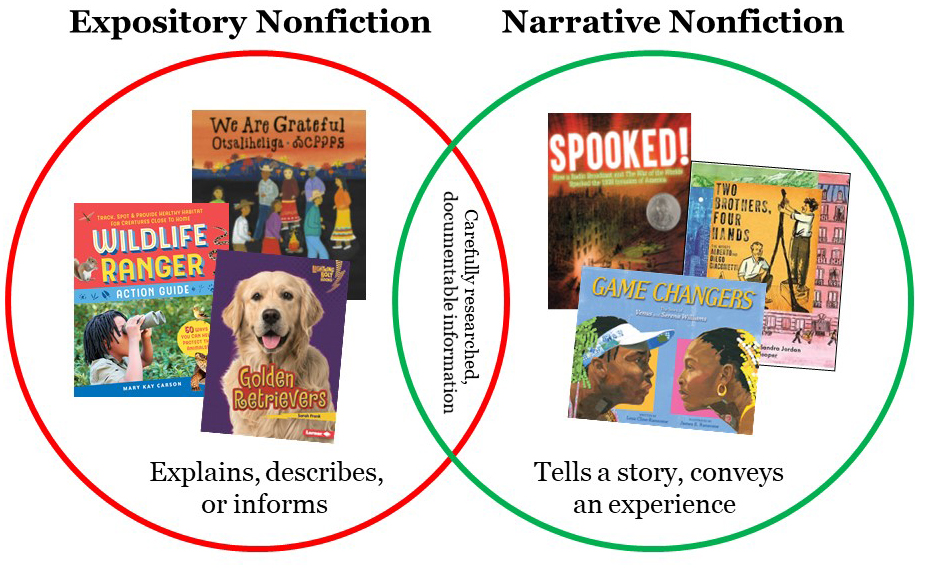
Effective teaching of nonfiction texts requires a keen understanding of the differences in formats and writing styles. Award-winning nonfiction author Melissa Stewart offers a deep dive into the differences between two types of nonfiction, expository and narrative, offering educators comparative texts, specific examples, and tips on teaching and connecting with young readers.
ALREADY A SUBSCRIBER? LOG IN
We are currently offering this content for free. Sign up now to activate your personal profile, where you can save articles for future viewing
ALREADY A SUBSCRIBER? LOG IN
Thank you for visiting.
We’ve noticed you are using a private browser. To continue, please log in or create an account.