Classroom
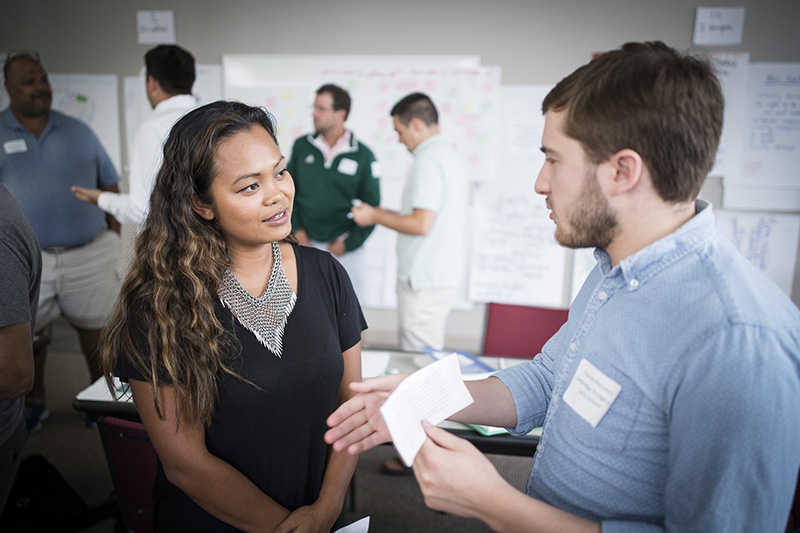
The areas of K–12 education that demand a transformation of thought and action are multiple, and we must lean in to this vital work.
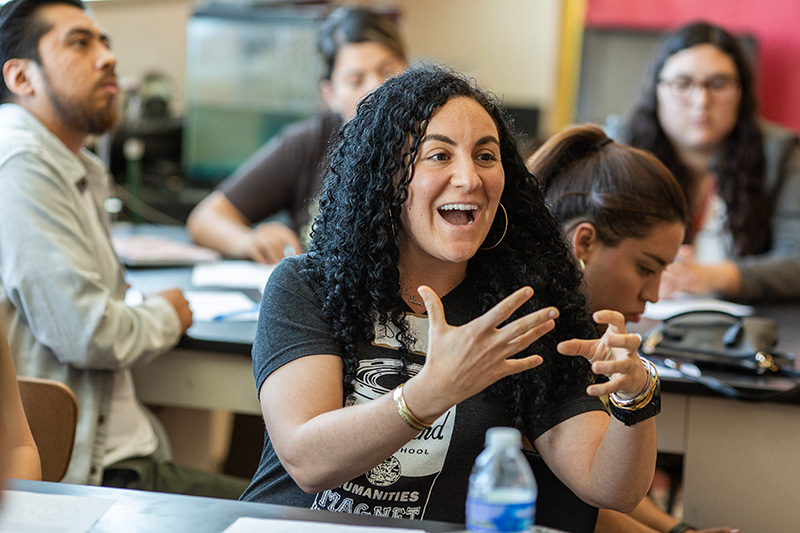
There’s no single roadmap to developing a more equitable teaching practice, but these simple steps are a key part of any journey.
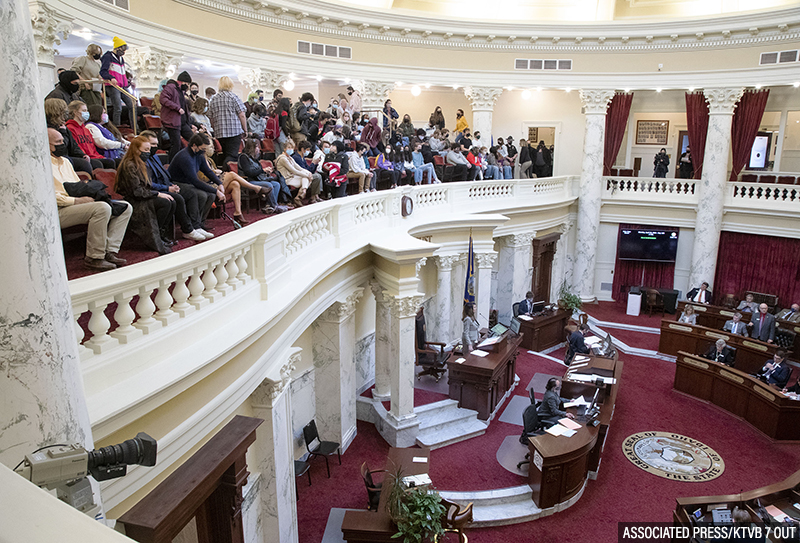
A coordinated effort to limit what teachers can teach about history, racism, sexism, and systemic oppression throughout history has educators concerned about their students, the impact on the library, and civic life in general.

Photographs and poems can help students explore perspective and specific moments in time.
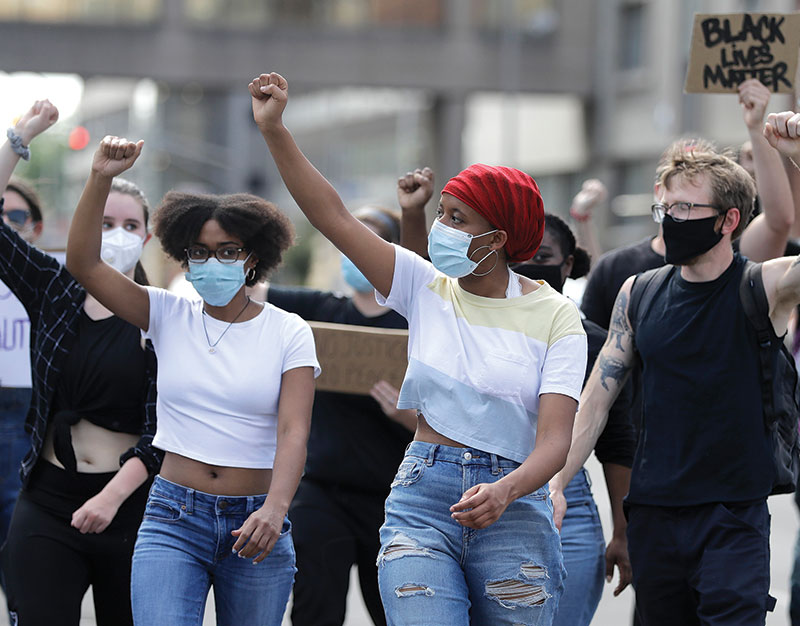
Over the past year across the country, educators have altered lesson plans and curricula to address racial injustice, historically and today.
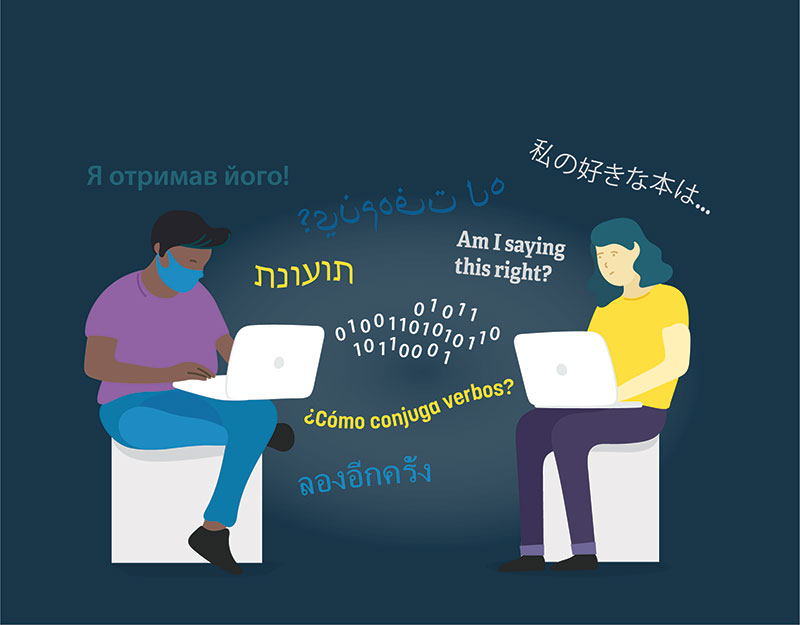
Educators have used targeted intervention and innovative tech approaches and offered social-emotional support.
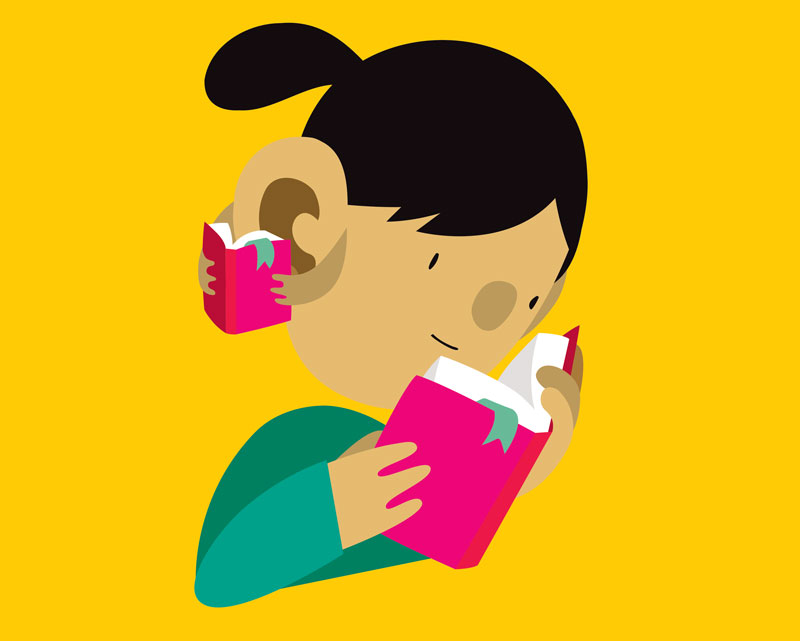
Educators are using audiobooks in new ways to teach material and help students build literacy skills. Plus: 15 classroom-ready podcasts.
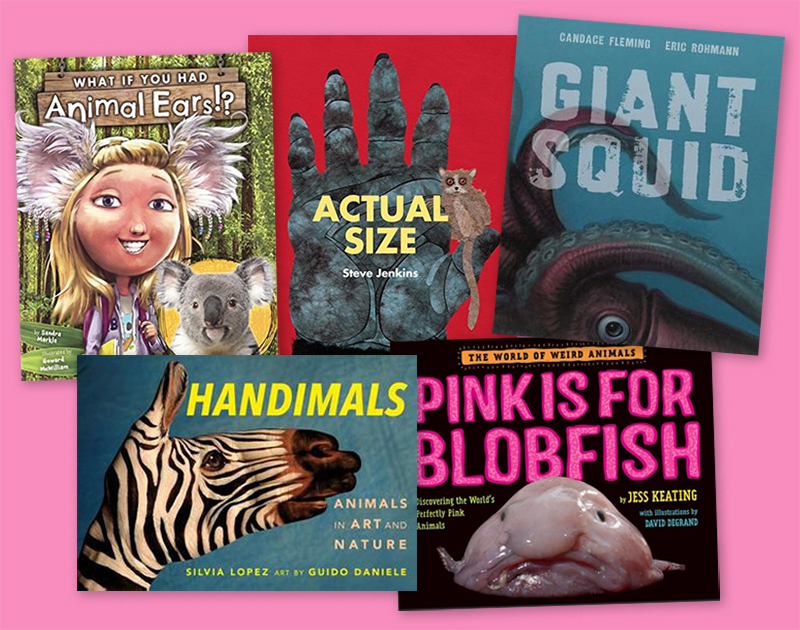
Many schools and libraries host fiction-focused book clubs, but it’s important to keep young info-lovers in mind, too. If a nonfiction book club seems like a good fit for the children at your school, why not give it a try. Here are some tips for getting started.
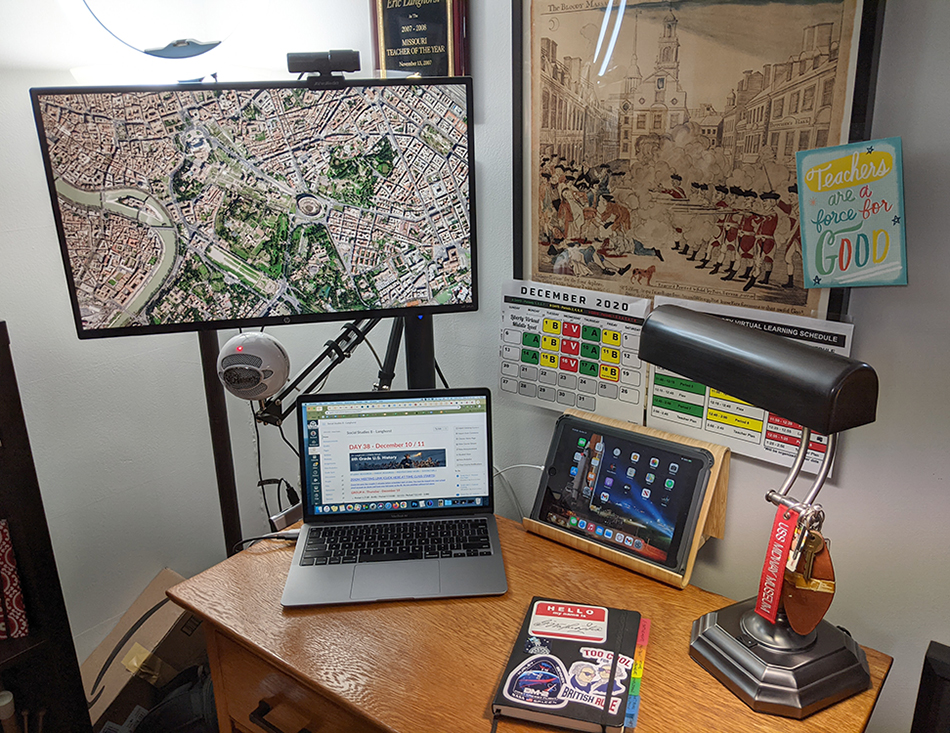
For some students, remote learning will continue well beyond this year. What we have learned will impact our educational system for decades to come.
ALREADY A SUBSCRIBER? LOG IN
We are currently offering this content for free. Sign up now to activate your personal profile, where you can save articles for future viewing
ALREADY A SUBSCRIBER? LOG IN
Thank you for visiting.
We’ve noticed you are using a private browser. To continue, please log in or create an account.